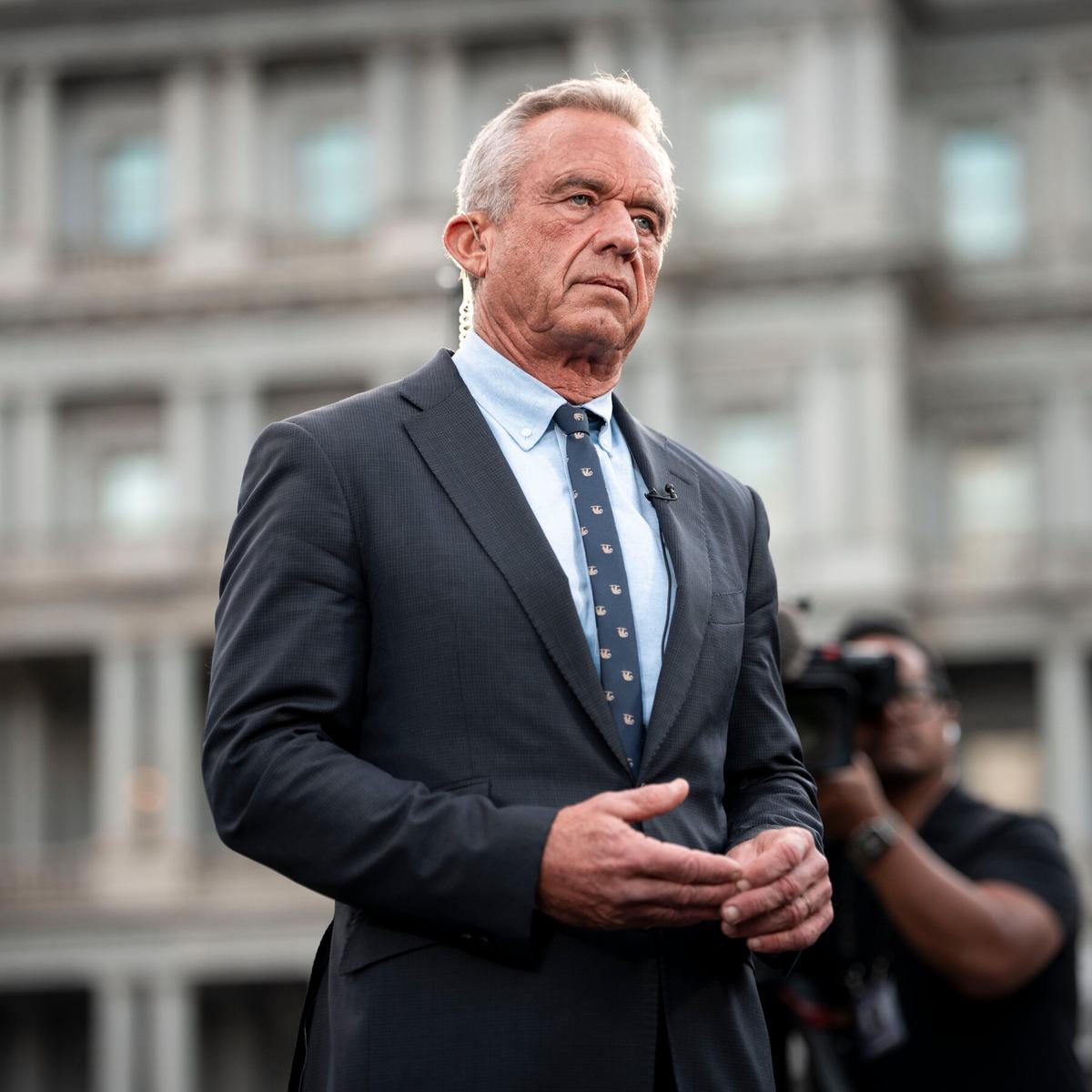
RFK Jr. Shifts Tone on Vaccines in Congressional Hearing
Why It Matters
Kennedy’s new position could influence congressional vaccine policy and restore public confidence, while the Trump administration’s CDC leadership signals a return to mainstream public‑health guidance.
Key Takeaways
- •Kennedy calls measles vaccine safe for most, contrary to past rhetoric
- •He linked vaccine to saving two Texas children’s lives
- •Trump appoints Erica Schwartz as CDC director, signaling conventional stance
- •Shift may affect upcoming budget hearings and vaccine legislation
- •Public health community sees move as potential policy reset
Pulse Analysis
Robert F. Kennedy Jr., a former vocal critic of U.S. vaccine policy, surprised lawmakers by stating the measles vaccine is safe and effective for most people. The shift marks a stark departure from his earlier messaging that framed vaccination as a personal choice and warned of unproven risks such as autism. Kennedy’s testimony came during a series of budget hearings that will shape the Trump administration’s health‑spending priorities. By conceding the vaccine’s safety, he not only distances himself from his anti‑vaccine platform but also opens the door to more conventional public‑health dialogue.
The timing of Kennedy’s remarks aligns with President Trump’s nomination of Dr. Erica Schwartz, a deputy surgeon general known for supporting standard immunization schedules, as the new CDC director. Together, these moves suggest a strategic pivot toward restoring credibility in federal health agencies after years of mixed messaging. Lawmakers on both sides of the aisle are likely to use Kennedy’s softened stance to advance legislation that reinforces vaccine mandates and funding for outbreak response. The budget hearings could therefore become a crucible for reconciling partisan health priorities with scientific consensus.
From a market perspective, renewed confidence in vaccine safety can influence pharmaceutical and biotech investors, as demand for measles‑containing combination shots may stabilize after recent hesitancy spikes. Moreover, the political realignment may affect state‑level school‑entry requirements, potentially reducing exemption rates that have fueled recent outbreaks. Public health advocates view Kennedy’s pivot as a potential catalyst for broader education campaigns aimed at countering misinformation. If the administration follows through with conventional CDC leadership, the United States could see a measurable decline in preventable disease incidence over the next few years.
RFK Jr. Shifts Tone on Vaccines in Congressional Hearing
Comments
Want to join the conversation?
Loading comments...