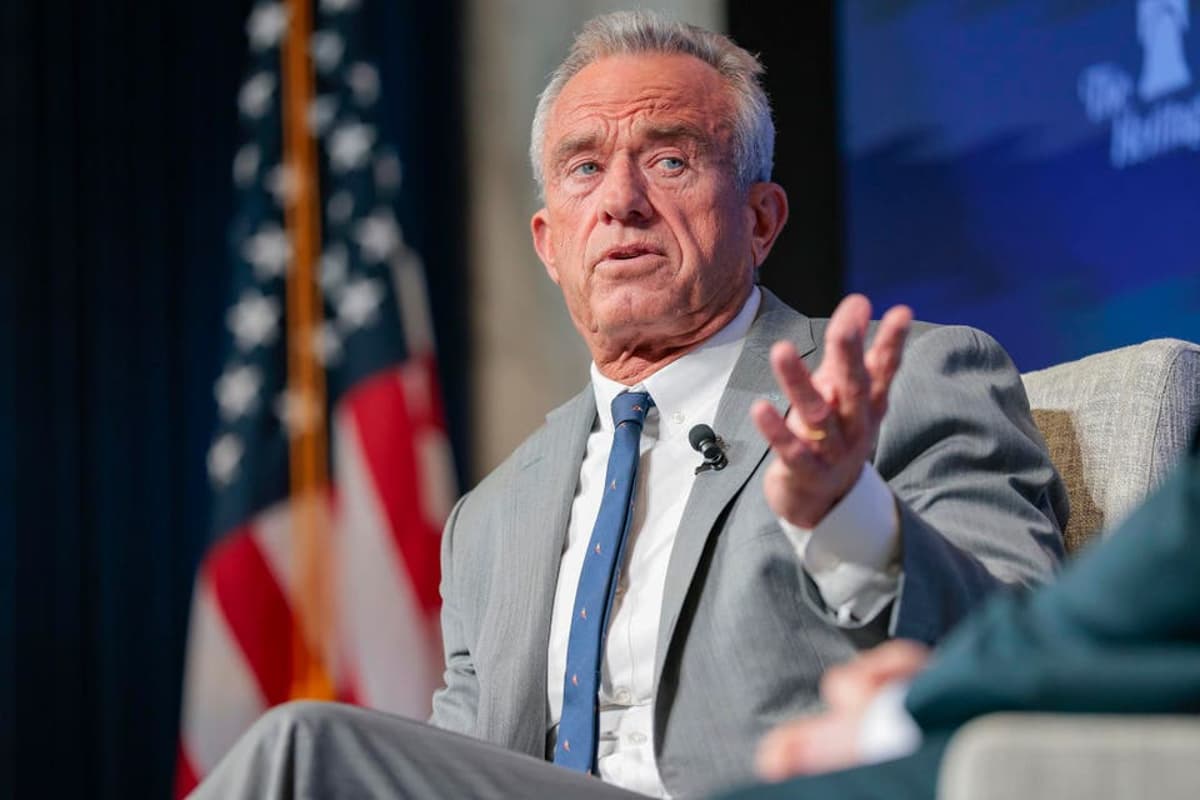
RFK Jr.’s Messaging Could Be Impacting Food And Pharmaceutical Choices
Why It Matters
The secretary’s rhetoric directly influences market demand for foods and pharmaceuticals, reshaping industry revenues and public‑health outcomes. Understanding this impact is critical for policymakers, investors, and health providers navigating a politicized health landscape.
Key Takeaways
- •Kennedy's new dietary guidelines boost meat and protein consumption
- •Vaccine schedule changes correlate with rising measles cases and hesitancy
- •Tylenol sales fell 4% after Kennedy’s anti‑acetaminophen remarks
- •Leucovorin demand surged 71% despite limited autism evidence
Pulse Analysis
Kennedy’s overhaul of the U.S. dietary guidelines marks a stark departure from decades of nutrition policy. By elevating saturated‑fat‑rich foods such as steak and dairy, the administration taps into the broader "protein craze" that has already lifted meat consumption among Americans. While protein can support muscle maintenance, the increased intake of saturated fats raises concerns about cholesterol spikes and cardiovascular risk, prompting nutritionists to warn that the shift may counteract public‑health gains achieved through reduced processed‑food diets.
The secretary’s vaccine agenda has also reverberated through the healthcare system. Alterations to the CDC‑backed schedule—delaying hepatitis B and removing universal recommendations for several childhood vaccines—have coincided with the highest measles outbreak since the early 1990s and a noticeable rise in vaccine‑skepticism polls. Although the changes lack robust scientific justification, they have emboldened anti‑vaccine groups and complicated public‑health messaging, potentially eroding herd immunity and increasing future outbreak costs.
Beyond food and vaccines, Kennedy’s commentary on specific drugs has moved markets. His unfounded claim that acetaminophen poses a pregnancy risk contributed to a 4% dip in Tylenol sales, while his endorsement of leucovorin for autism spurred a 71% prescription surge, creating shortages despite limited efficacy data. These examples underscore the power of political messaging to sway consumer choices, affect pharmaceutical supply chains, and challenge evidence‑based practice, highlighting the need for vigilant oversight and clear communication from health authorities.
RFK Jr.’s Messaging Could Be Impacting Food And Pharmaceutical Choices
Comments
Want to join the conversation?
Loading comments...