Why It Matters
The clearance validates exoskeletons as therapeutic tools, accelerating adoption and investment in rehabilitation robotics.
Key Takeaways
- •Ekso GT first FDA‑cleared exoskeleton for stroke rehab
- •Enables standing and walking for lower‑limb paralysis patients
- •Also cleared for select spinal‑cord injury therapies
- •Highlights regulatory shift toward wearable medical devices
- •Boosts market confidence, spurring funding for rehab robotics
Pulse Analysis
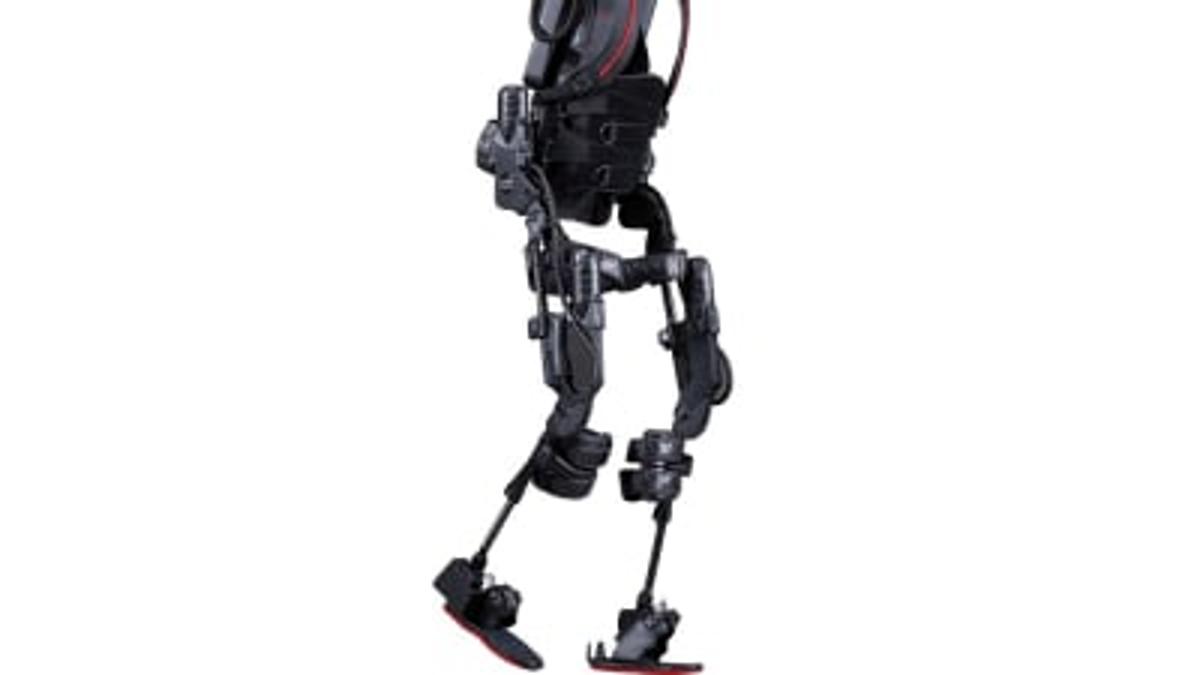
The Ekso GT™ represents a turning point in the convergence of robotics and physical therapy. While wearable assistive devices have existed for decades, regulatory approval for a specific clinical indication—stroke rehabilitation—provides a concrete benchmark for safety and efficacy. Clinicians can now prescribe a device that actively supports gait training, reducing the reliance on manual assistance and potentially shortening recovery timelines. This shift also encourages hospitals to integrate data‑driven outcomes, as the exoskeleton’s sensors capture metrics that inform personalized treatment plans.
From a clinical perspective, the exoskeleton’s impact extends beyond mere mobility. Early studies suggest that patients using the Ekso GT experience improved muscle activation patterns and faster functional gains compared to conventional therapy alone. The device’s “spring‑into‑motion” technology synchronizes with the user’s intent, offering a more natural walking experience that can translate to better neuroplastic adaptation. As rehabilitation protocols evolve, therapists are likely to combine exoskeleton sessions with virtual reality or tele‑rehab platforms, creating hybrid models that maximize patient engagement and remote monitoring.
The market ramifications are equally significant. FDA clearance has unlocked new reimbursement pathways, making the technology financially viable for health systems. Venture capital has responded with increased funding for firms developing next‑generation exoskeletons, soft‑robotic suits, and AI‑enhanced control algorithms. Analysts project the global medical exoskeleton market to exceed $2 billion by 2030, driven by aging populations and rising demand for post‑acute care solutions. As competition intensifies, differentiation will hinge on device ergonomics, data analytics, and integration with electronic health records, positioning the Ekso GT as both a pioneer and a catalyst for broader industry innovation.
Robotics
Comments
Want to join the conversation?
Loading comments...