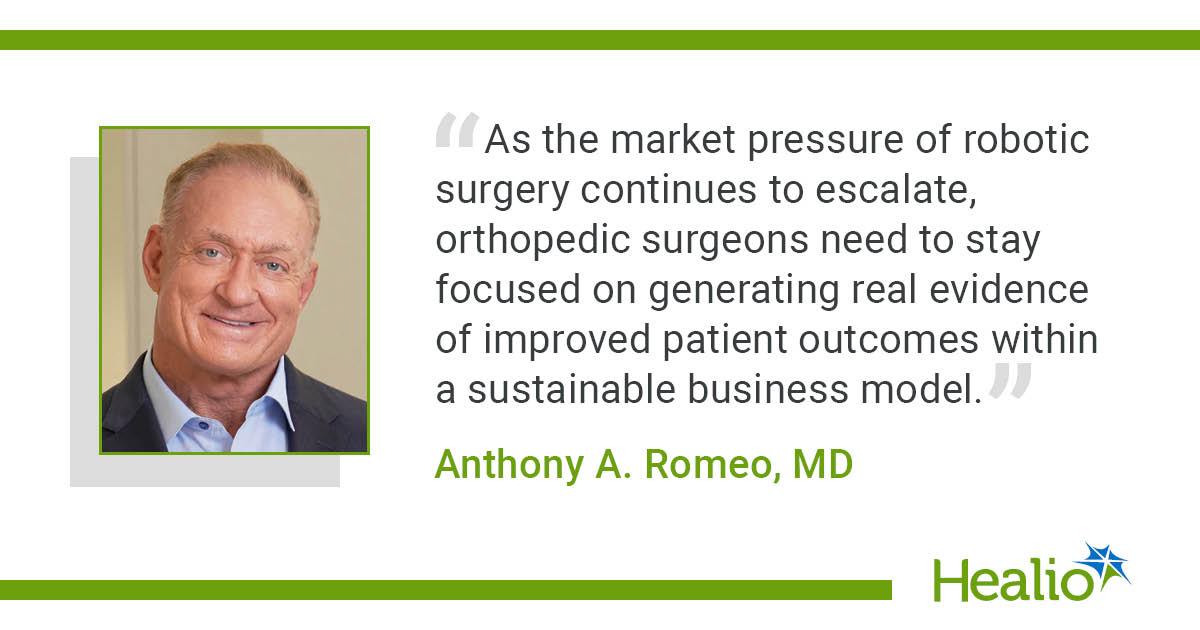
Robotics in Shoulder Arthroplasty: Stay Focused on Outcomes
Why It Matters
The technology’s cost‑benefit balance hinges on solid evidence of outcome improvement, which will dictate whether robotics becomes a standard tool or a financial liability for orthopedic providers.
Key Takeaways
- •Robotic assistance may cut RSA failure rates by up to 25%
- •Glenoid loosening accounts for less than 15% of RSA failures
- •FDA clearance does not require proven outcome improvements
- •Low-volume surgeons perform average six RSA cases annually
- •Robotics adds capital, maintenance, and per‑procedure costs amid reimbursement cuts
Pulse Analysis
Robotic platforms have already reshaped total hip and knee replacements, delivering measurable gains in component alignment and, increasingly, long‑term survivorship. Those successes have spurred manufacturers to extend the technology to the shoulder, where precise glenoid positioning is critical. Early data point to a 25% reduction in revision surgeries when robots guide the implant, a compelling figure that mirrors the enthusiasm seen in hip and knee markets. However, the shoulder presents unique challenges: glenoid loosening—arguably the most addressable failure mode—constitutes under 15% of reverse total shoulder arthroplasty (RSA) failures, while instability, infection, and soft‑tissue issues dominate the landscape.
The clinical debate is further complicated by regulatory and evidentiary gaps. Unlike pharmaceuticals, orthopedic devices can receive FDA clearance without prospective trials demonstrating superior outcomes. This places the onus on surgeons and academic centers to conduct multicenter, prospective studies that compare robotic‑assisted RSA with expertly performed conventional techniques. Such research must capture patient‑reported outcomes, revision rates, and cost‑effectiveness to satisfy both clinicians and payers. Moreover, the current literature is clouded by conflicts of interest, as many vocal proponents have financial ties to device manufacturers, underscoring the need for independent data before widespread adoption.
Economic realities may prove decisive. Robotic systems demand substantial upfront capital, ongoing maintenance, software licensing, and per‑case consumables. Coupled with a recent 2.5% CMS efficiency cut to orthopedic reimbursement, private‑practice surgeons—especially those performing an average of six RSA procedures annually—face razor‑thin margins. Hospital systems can offset costs through facility fees, but ambulatory surgery centers and solo practices risk unsustainable business models. As the technology matures, the industry must balance innovation with affordability, establishing evidence‑based standards that ensure robotic shoulder arthroplasty delivers genuine value to patients and providers alike.
Robotics in shoulder arthroplasty: Stay focused on outcomes
Comments
Want to join the conversation?
Loading comments...