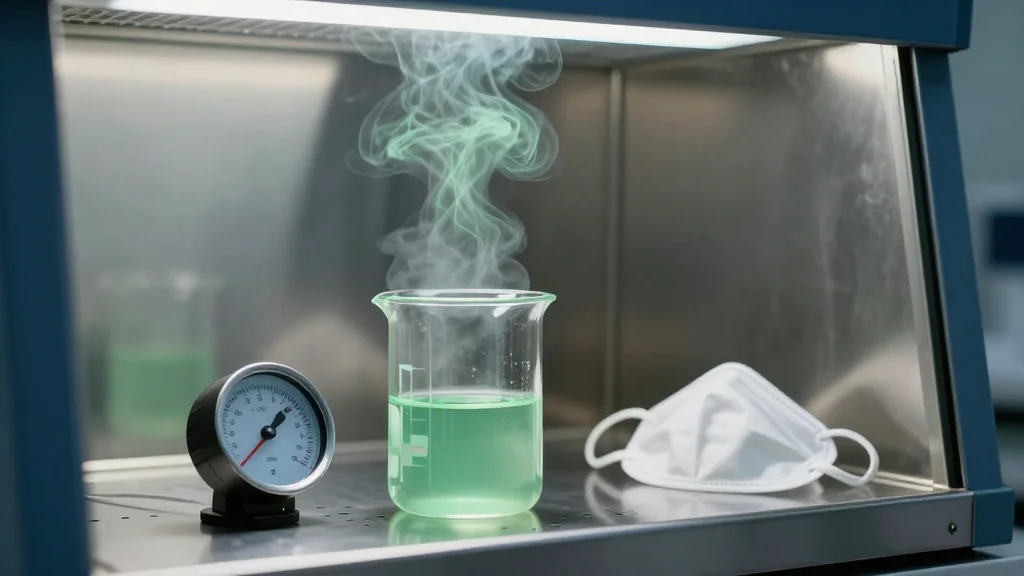
Routine Exposure to Harmful Levels of Formaldehyde Risking Health of Thousands of NHS Staff, Findings Suggest
Why It Matters
Elevated formaldehyde exposure threatens the health of a large NHS workforce and highlights a regulatory gap that could extend to other UK industries using the chemical. Aligning UK limits with EU standards would reduce occupational cancer and respiratory risks.
Key Takeaways
- •70% of NHS pathology labs exceed EU formaldehyde limits.
- •Monitoring occurs weekly or less in 73% of sites.
- •30% of labs recorded levels above UK 2 ppm threshold.
- •28,000 NHS pathology staff potentially at risk.
- •Researchers call for EU‑aligned exposure limits in the UK.
Pulse Analysis
The recent FOI‑driven study shines a light on a hidden occupational hazard within the NHS. By compiling over 1.7 million monitoring events from 122 trusts, researchers uncovered that most pathology labs rely on sporadic testing—often only once a week or less—despite handling tens of thousands of surgical specimens annually. This lax monitoring regime, combined with the UK’s permissive 2 ppm workplace ceiling, means many labs regularly surpass the stricter EU limits of 0.3 ppm (long‑term) and 0.6 ppm (short‑term). The data expose a systemic shortfall in occupational hygiene that has persisted since Brexit removed the legal impetus to adopt EU standards.
Formaldehyde’s toxicity is well documented: chronic inhalation is linked to respiratory irritation, reproductive effects, and heightened risks of nasal, throat, and leukemic cancers. The U.S. EPA has labeled it an "unreasonable risk to human health," underscoring the seriousness of even low‑level exposure. The NHS findings are therefore not an isolated healthcare issue; they echo concerns across manufacturing, construction, and other sectors where formaldehyde is used. With an estimated 28,000 pathology staff in England alone potentially exposed, the public‑health implications extend to workforce productivity, sick‑leave costs, and long‑term medical expenses.
Experts urge immediate policy action: adopt EU‑aligned exposure limits, mandate daily personal monitoring, and upgrade laboratory ventilation and containment systems. Enhanced training on safe handling, provision of appropriate personal protective equipment, and robust oversight by the Health and Safety Executive are also critical. Such reforms would not only safeguard NHS employees but also set a benchmark for other UK industries, fostering a culture of preventive occupational health that could reduce litigation risk and improve overall workplace safety.
Routine exposure to harmful levels of formaldehyde risking health of thousands of NHS staff, findings suggest
Comments
Want to join the conversation?
Loading comments...