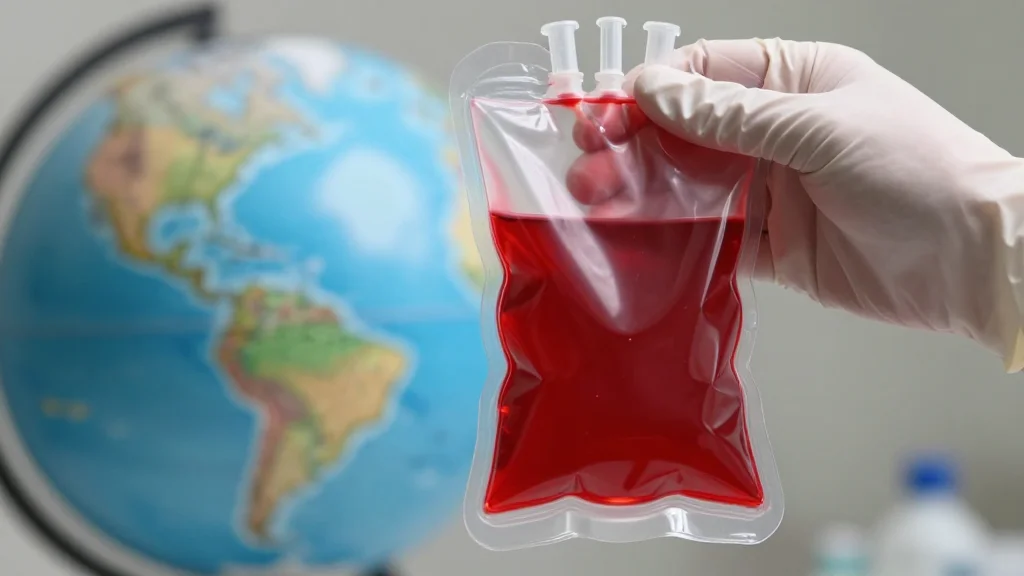
Safe Blood Supply Improves as Voluntary Donations Exceed 85%, but Many People Still Lack Access
Why It Matters
The disparity in blood availability jeopardizes life‑saving care for vulnerable populations and highlights the need for stronger health‑system investment and policy oversight worldwide.
Key Takeaways
- •Global blood collections rose 19% from 2013 to 2023.
- •Voluntary unpaid donors provided over 85% of 120 million 2023 donations.
- •High‑income nations collect 36% of blood despite 15% of world population.
- •Low‑income countries have only 63% voluntary donations and face shortages.
- •One‑third of nations lack legislation governing blood safety.
Pulse Analysis
The WHO’s latest Global Status Report on Blood Safety and Availability 2025 paints a nuanced picture of progress and persistent gaps. While a near‑20% increase in collections over the past decade signals improved donor mobilization, the surge is largely driven by voluntary, unpaid contributors who now supply more than 85% of the world’s blood. This shift reflects successful public‑health campaigns and growing awareness of the critical role donors play in preventing transfusion‑transmitted infections and ensuring product quality.
Yet the data reveal stark inequities. High‑income economies, home to only 15% of the global populace, command 36% of all donations, translating into donation rates as high as 53 per 1,000 people. In contrast, many low‑income countries record fewer than five donations per 1,000, with voluntary participation dropping to 63%. Such shortages disproportionately affect women experiencing obstetric hemorrhage, children with severe anemia, trauma victims, and patients with chronic blood disorders, amplifying mortality risks where health infrastructure is already fragile.
Governance and financing emerge as critical levers for closing the gap. Nearly a third of nations lack dedicated blood‑safety legislation, and only 64% conduct regular service inspections. Sustainable funding remains elusive, with more than one in seven countries operating without dedicated budgets or cost‑recovery mechanisms. WHO’s call to action—strengthening regulation, securing financing, expanding quality‑assurance programs, and enhancing data surveillance—aligns with broader health‑system resilience goals. As World Blood Donor Day approaches, the message is clear: bolstering voluntary donation networks and institutional support is essential to guarantee that safe blood is a universal right, not a geographic privilege.
Safe blood supply improves as voluntary donations exceed 85%, but many people still lack access
Comments
Want to join the conversation?
Loading comments...