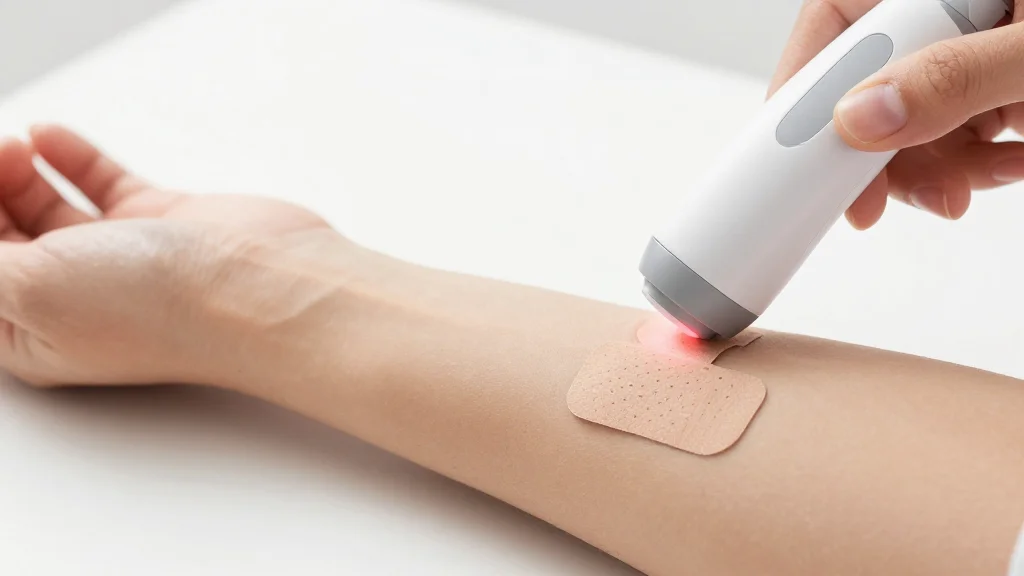
Safety and Feasibility of Electrotherapeutic Modalities Over Titanium Spinal Fixation Implants in Patients With Spinal Cord Injury: A Quasi Experimental Study
Why It Matters
The findings demonstrate that electrotherapeutic modalities can be safely applied near titanium implants, offering a potent, non‑pharmacologic option to alleviate chronic pain in spinal cord injury rehabilitation.
Key Takeaways
- •NMES and LLLT cut VAS pain from 7.66 to 1.72.
- •No skin adverse events recorded on titanium implants during therapy.
- •Study enrolled 50 spinal cord injury patients with titanium fixation.
- •Non‑parametric tests showed significant pain reduction (p < 0.001).
- •Results support adding electrotherapy to SCI rehabilitation programs.
Pulse Analysis
Spinal cord injury (SCI) remains a high‑impact condition, often leaving patients with persistent neuropathic pain and limited functional recovery. Traditional pain management relies heavily on opioids and invasive procedures, which carry substantial risk profiles. In recent years, electrotherapeutic interventions such as neuromuscular electrical stimulation (NMES) and low‑level laser therapy (LLLT) have emerged as promising adjuncts, leveraging electrical and photonic energy to modulate neural pathways, promote tissue repair, and reduce inflammation. However, clinicians have been cautious about applying these modalities near metallic hardware, fearing potential heating or interference with titanium implants commonly used for spinal stabilization.
The new quasi‑experimental study addressed this gap by enrolling 50 SCI patients who had previously received titanium spinal fixation. Over six weeks, participants received combined NMES and LLLT alongside standard physiotherapy. Pain was tracked with the Visual Analogue Scale, showing a dramatic decline from an average of 7.66 at baseline to 1.72 at the study’s conclusion. Safety monitoring via the Radiation‑Induced Skin Reaction Assessment Scale reported no significant skin complications, confirming that the energy delivery did not adversely affect the surrounding tissue or the metal implants. Non‑parametric statistical tests reinforced the robustness of the results, with p‑values well below the conventional 0.05 threshold.
These outcomes have immediate implications for rehabilitation protocols. By validating the safety and efficacy of NMES and LLLT in the presence of titanium hardware, the study paves the way for broader adoption of non‑pharmacologic pain management strategies in SCI care. Healthcare providers can now consider integrating electrotherapy into multidisciplinary programs without fearing implant‑related hazards, potentially reducing reliance on opioids and enhancing patient quality of life. As the evidence base expands, insurers and policy makers may also recognize these modalities as cost‑effective, evidence‑based interventions, accelerating their inclusion in standard reimbursement schemes.
Safety and Feasibility of Electrotherapeutic Modalities Over Titanium Spinal Fixation Implants in Patients With Spinal Cord Injury: A Quasi Experimental Study
Comments
Want to join the conversation?
Loading comments...