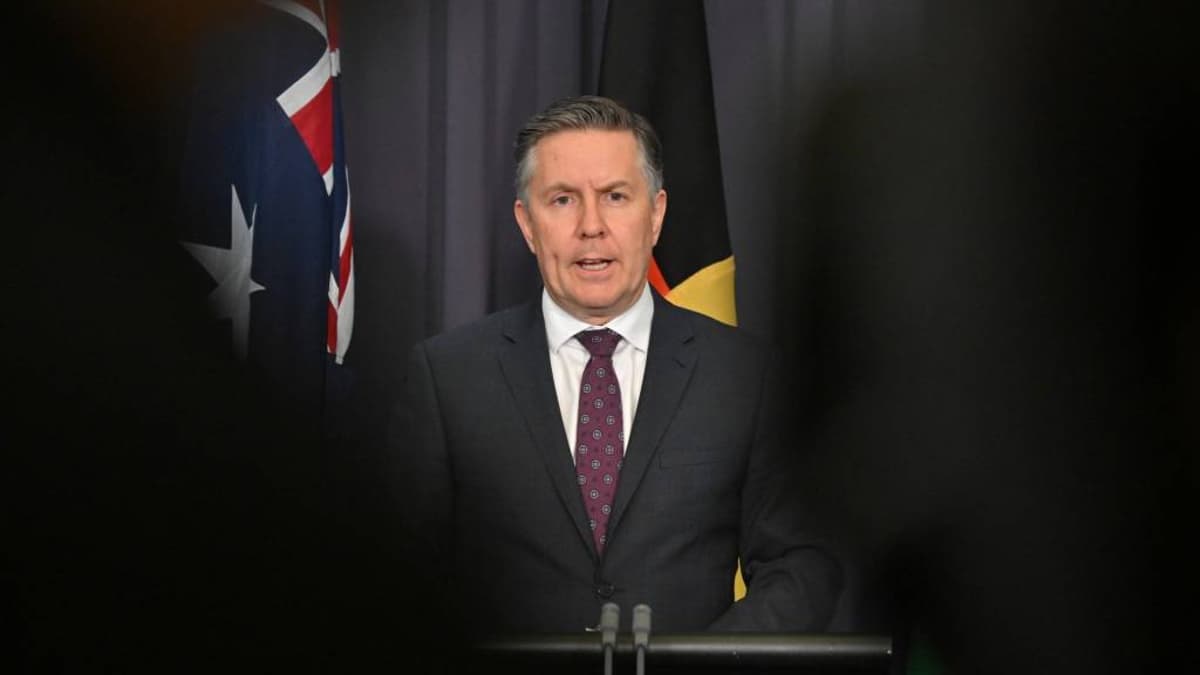
Saving the NDIS or Shrinking It? History Has a Warning for Mark Butler
Why It Matters
The bill could reshape the NDIS’s funding model, affecting millions of Australians who rely on its services and setting a precedent for how social safety‑net programs are financed under budget pressure.
Key Takeaways
- •Bill introduces tighter eligibility thresholds for new participants
- •Proposed caps could limit annual funding per recipient
- •Historical reforms previously reduced service breadth
- •Stakeholders fear a shift from universal to means‑tested model
Pulse Analysis
The National Disability Insurance Scheme (NDIS) has become a cornerstone of Australia’s social policy, delivering individualized support to over 460,000 people with disabilities. Yet its rapid expansion has generated a fiscal footprint that now exceeds $30 billion annually, prompting the government to consider reforms. Mark Butler’s amendment bill frames the intervention as a stewardship duty, aiming to secure the scheme’s long‑term viability by imposing stricter eligibility criteria, capping per‑person spending, and tightening oversight of service providers. While fiscal sustainability is a legitimate concern, the proposal risks curtailing the breadth of care that has been built over the past decade.
Historical context provides a cautionary lens. Past disability reforms in the 1990s and early 2000s, such as the transition from block funding to individualized plans, initially expanded access but later faced budget cuts that narrowed service options. Analysts note that each contraction has disproportionately affected low‑income and rural participants, eroding the universal ethos of the NDIS. The current bill’s emphasis on cost‑control echoes those earlier retrenchments, raising questions about whether the government will prioritize short‑term savings over the scheme’s core promise of equitable, person‑centered support.
For policymakers, providers, and advocacy groups, the stakes are high. A scaled‑down NDIS could shift the burden of care back onto families and state services, potentially increasing overall public expenditure in other sectors. Moreover, the legislative debate may set a precedent for how other entitlement programs—such as aged care and mental health services—are managed under fiscal constraints. Stakeholders are urging a balanced approach that safeguards financial health while preserving the inclusive, rights‑based framework that defines the NDIS today.
Saving the NDIS or shrinking it? History has a warning for Mark Butler
Comments
Want to join the conversation?
Loading comments...