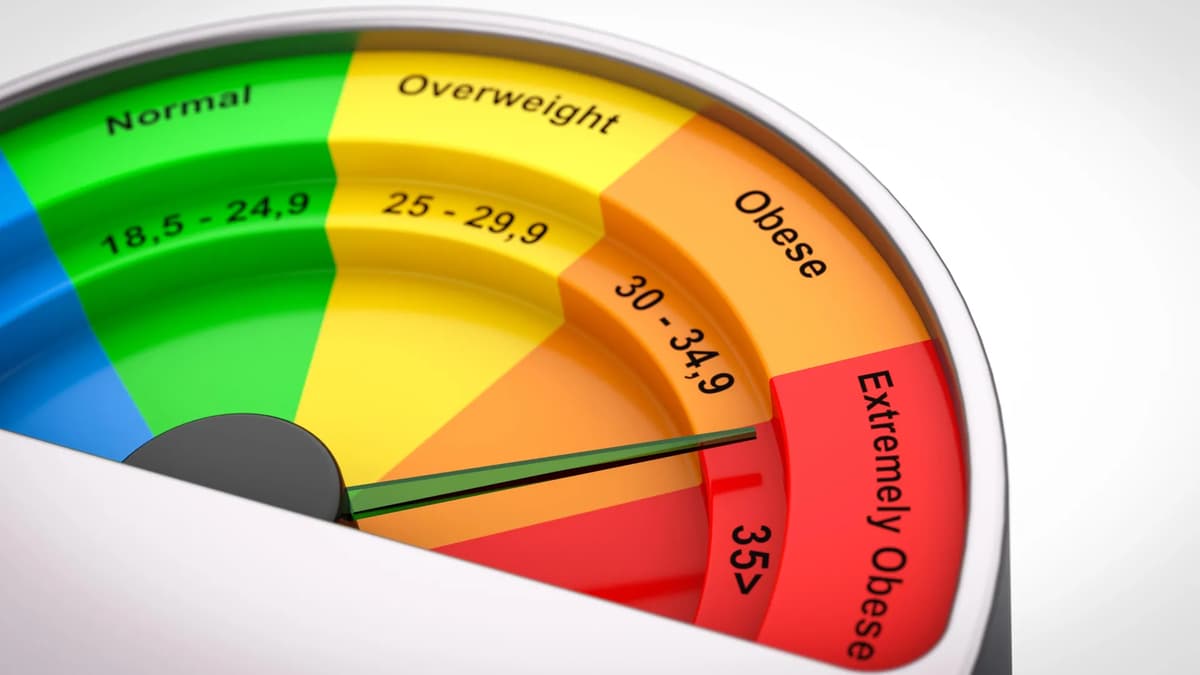
Scientists Say BMI Gets It Wrong for over One Third of Adults
Why It Matters
The findings reveal systematic overestimation of obesity rates, which can distort public‑health policies, insurance risk assessments, and clinical decisions. Updating weight‑status guidelines could improve targeting of interventions and resource allocation.
Key Takeaways
- •BMI misclassifies over one‑third of adults
- •DXA shows lower overweight/obesity prevalence than BMI
- •Misclassification highest among BMI‑defined overweight group
- •Study limited to White Caucasian Italians; ethnicity matters
- •Experts recommend adding body‑composition measures to guidelines
Pulse Analysis
The body mass index has long been the default metric for gauging population health, despite its reliance on height and weight alone. While BMI’s simplicity makes it attractive for large‑scale surveys and insurance underwriting, it ignores the distribution and proportion of body fat. The Verona‑Beirut collaboration leveraged DXA, the clinical gold standard for body‑composition analysis, to expose how BMI’s blunt categories can misplace individuals across underweight, normal, overweight, and obese brackets. Their data, presented at the European Congress on Obesity, underscore that even in a relatively homogenous Italian cohort, BMI’s error margin exceeds 30% for certain groups.
For clinicians and policymakers, the misclassification has tangible consequences. Overestimating obesity prevalence may trigger unnecessary dietary or pharmacologic interventions, inflate healthcare costs, and skew epidemiological trends that guide funding decisions. Conversely, under‑detecting excess adiposity in ostensibly normal‑weight patients could delay preventive measures. Integrating alternative assessments—such as waist‑to‑height ratio, skinfold calipers, or portable bioelectrical impedance—offers a pragmatic bridge between DXA’s precision and BMI’s accessibility. Some health insurers are already piloting tiered risk models that factor in body‑fat percentages, reflecting a shift toward nuanced risk stratification.
Globally, the study’s implications extend beyond Italy’s white‑Caucasian population. Ethnic variations in body‑fat distribution mean that BMI’s inaccuracies may be even more pronounced in Asian, African, and Hispanic groups, where lower BMI thresholds are already recommended. Future research should replicate the DXA comparison across diverse demographics and explore cost‑effective technologies that can be deployed in primary‑care settings. As the medical community embraces personalized medicine, revising weight‑status guidelines to incorporate direct composition metrics could enhance disease prediction, improve patient outcomes, and refine public‑health surveillance worldwide.
Scientists say BMI gets it wrong for over one third of adults
Comments
Want to join the conversation?
Loading comments...