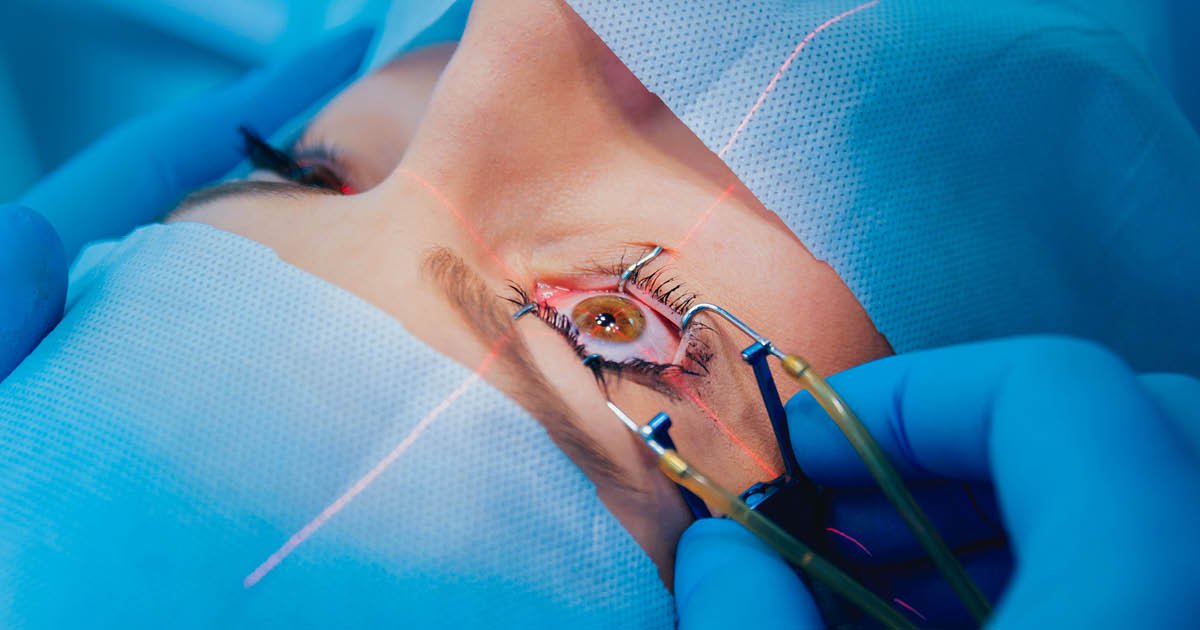
Screen for Asymptomatic MGD Before Refractive Surgery
Why It Matters
Undetected MGD compromises pre‑operative measurements and postoperative visual quality, threatening the high success rates expected in elective refractive procedures. Incorporating gland assessment can improve outcomes and patient satisfaction across the ophthalmic market.
Key Takeaways
- •Nearly 50% of refractive surgery candidates have high-grade asymptomatic MGD.
- •High‑MGD patients are older and exhibit greater myopia than low‑MGD peers.
- •Asymptomatic MGD reduces uncorrected, corrected and contrast acuity despite normal tear breakup.
- •Authors advise routine meibomian gland grading in pre‑operative refractive assessments.
Pulse Analysis
The prevalence of subclinical meibomian gland dysfunction (MGD) is emerging as a silent risk factor in laser vision correction. While patients may report no dry‑eye discomfort, irregular tear‑film lipid layers can subtly alter corneal topography, keratometry and axial length readings—metrics that form the backbone of refractive calculations. As surgeons strive for predictability, overlooking MGD can introduce hidden variance that manifests as residual refractive error or reduced visual quality after surgery.
Sapir et al.'s analysis of 3,472 eyes underscores this hidden threat. High‑MGD eyes were, on average, three years older and carried nearly one diopter more myopia than low‑MGD counterparts. Even with normal tear‑breakup times, these patients showed statistically significant drops in both distance visual acuity and contrast sensitivity, suggesting that tear‑film instability affects functional vision beyond symptom reporting. The study’s reliance on standardized digital expression for grading, rather than advanced meibography, highlights a pragmatic approach that can be adopted in most clinics, though it also signals a need for more objective imaging in future research.
For refractive surgeons, the takeaway is clear: integrating a quick meibomian gland assessment into the pre‑operative workflow can safeguard measurement fidelity and enhance postoperative outcomes. As the industry leans toward premium, patient‑centric services, clinics that adopt comprehensive ocular‑surface screening will likely see higher satisfaction scores and lower retreatment rates. Ongoing prospective trials with objective gland imaging and long‑term follow‑up will further define optimal screening thresholds, potentially setting new standards for refractive surgery protocols.
Screen for asymptomatic MGD before refractive surgery
Comments
Want to join the conversation?
Loading comments...