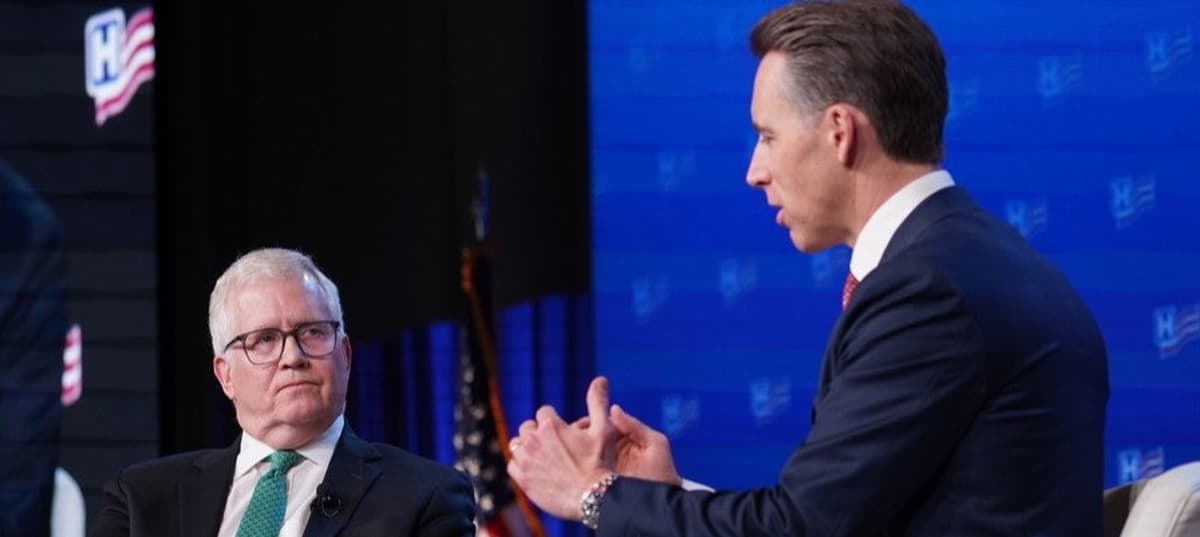
Sen. Josh Hawley Shares Priorities for Rural Hospitals, Affordability
Why It Matters
The initiatives address the financial fragility and cyber‑risk exposure of rural hospitals, which serve 20% of Americans, while potentially lowering out‑of‑pocket health costs for millions of families.
Key Takeaways
- •Hawley urges doubling Rural Health Transformation Fund to $100B
- •Supports Rural Hospital Cybersecurity Enhancement Act for workforce training
- •Warns provider tax changes will strain rural hospital finances
- •Proposes tax‑deductible health expenses to cut family costs
- •Emphasizes cybersecurity as critical for rural hospital sustainability
Pulse Analysis
Rural hospitals have long been the backbone of health care in sparsely populated regions, yet they face a perfect storm of declining reimbursements, aging infrastructure, and demographic shifts. According to the American Hospital Association, roughly 1,300 rural facilities serve about 20% of the U.S. population, but more than 130 have closed in the past decade. In this context, Senator Josh Hawley’s call to double the Rural Health Transformation Fund from $50 billion to $100 billion seeks to inject capital for modernization, workforce development, and service expansion, addressing a chronic funding gap that threatens community health outcomes.
Cybersecurity has emerged as a non‑negotiable priority after a surge in ransomware attacks targeting smaller health‑care providers. Hawley’s Rural Hospital Cybersecurity Enhancement Act (S. 2169) would task the Department of Health and Human Services with creating a national training pipeline and public‑private partnerships to staff rural facilities with qualified cyber defenders. By formalizing a workforce strategy, the legislation aims to reduce breach‑related downtime, which can cost hospitals up to $1 million per incident, and protect patient data in regions where IT resources are scarce.
The senator also proposes making health‑care expenses tax‑deductible, a move he argues could lower out‑of‑pocket costs for working families by 30‑40 percent. While the policy would broaden the tax base and potentially increase disposable income, critics warn it may shift the fiscal burden to higher‑income households and complicate the tax code. Nonetheless, the proposal aligns with broader bipartisan efforts to curb health‑care inflation and could serve as a legislative lever to ease affordability pressures while complementing other cost‑containment measures.
Sen. Josh Hawley shares priorities for rural hospitals, affordability
Comments
Want to join the conversation?
Loading comments...