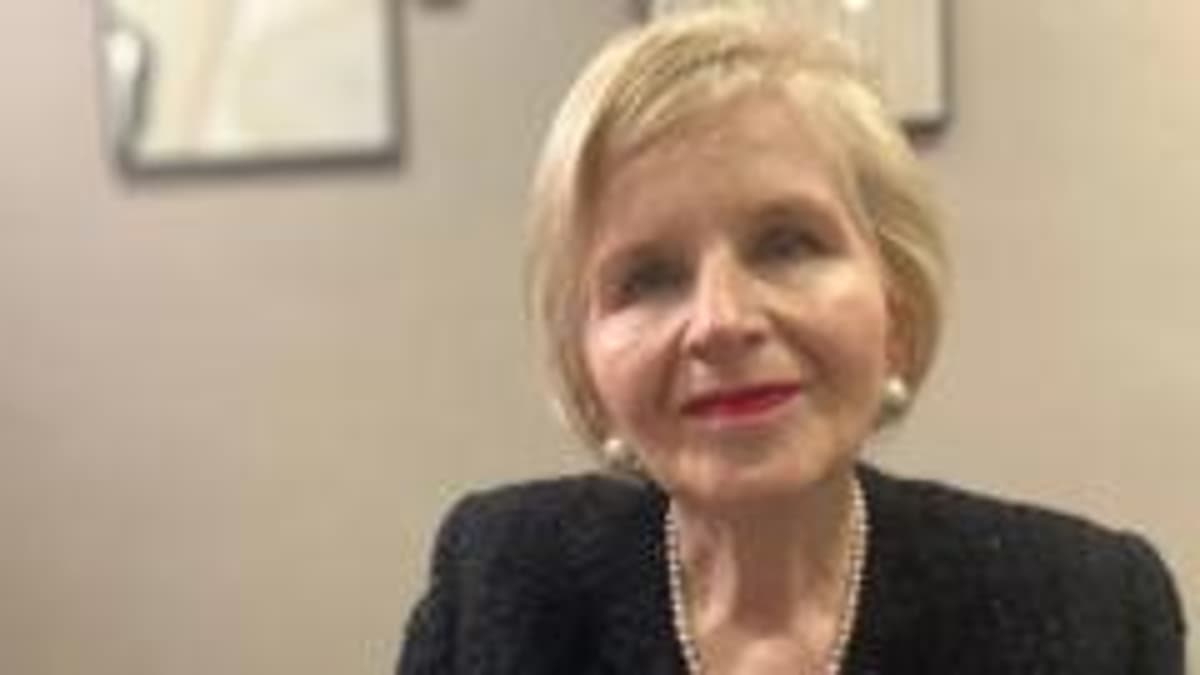
Senior Midwife Appointed to Maternity Inquiry
Why It Matters
The inquiry aims to restore confidence in NHS maternity care by exposing systemic failures and prompting reforms, while giving bereaved families a clear path to justice and safety improvements.
Key Takeaways
- •Donna Ockenden appointed to lead Sussex maternity inquiry.
- •Inquiry follows bereavement cases at University Hospitals Sussex.
- •Ockenden previously investigated Shrewsbury, Nottingham, Leeds maternity failures.
- •Families trust Ockenden to ensure transparent, inclusive review.
- •Health Secretary seeks swift, confidence‑building investigation.
Pulse Analysis
The United Kingdom has seen a surge of high‑profile maternity scandals over the past decade, prompting calls for stronger oversight and independent scrutiny. Donna Ockenden, a former clinical midwife turned inquiry chair, has become the de‑facto specialist for unraveling systemic lapses. Her track record—most notably the Shrewsbury and Telford Hospital review that uncovered critical staffing and governance gaps—has earned her the trust of bereaved families and policymakers alike. By appointing Ockenden, the Department of Health signals a commitment to a transparent, evidence‑based process that goes beyond routine internal audits.
In Sussex, the catalyst for the inquiry was a series of tragic outcomes, including the 2021 death of baby Hazel, which galvanized the Truth For Our Babies campaign. Families have endured years of emotional strain while demanding a full, inclusive investigation. Health Secretary Wes Streeting’s decision to move quickly reflects political pressure and a desire to demonstrate that the NHS can respond decisively to public outcry. The scope of the review will likely encompass clinical protocols, staffing levels, communication practices, and the handling of adverse events, ensuring that every stakeholder—from mothers to frontline staff—has a voice.
The broader implications extend to NHS governance and national maternity policy. Findings from the Sussex inquiry could trigger mandatory reforms, such as enhanced risk‑assessment tools, stricter reporting requirements, and renewed investment in midwifery training. Moreover, a transparent outcome may help rebuild public confidence, a critical asset for a health system already navigating workforce shortages and fiscal constraints. As Ockenden’s team gathers evidence, the healthcare sector will watch closely, anticipating recommendations that could set new standards for patient safety across the UK.
Senior midwife appointed to maternity inquiry
Comments
Want to join the conversation?
Loading comments...