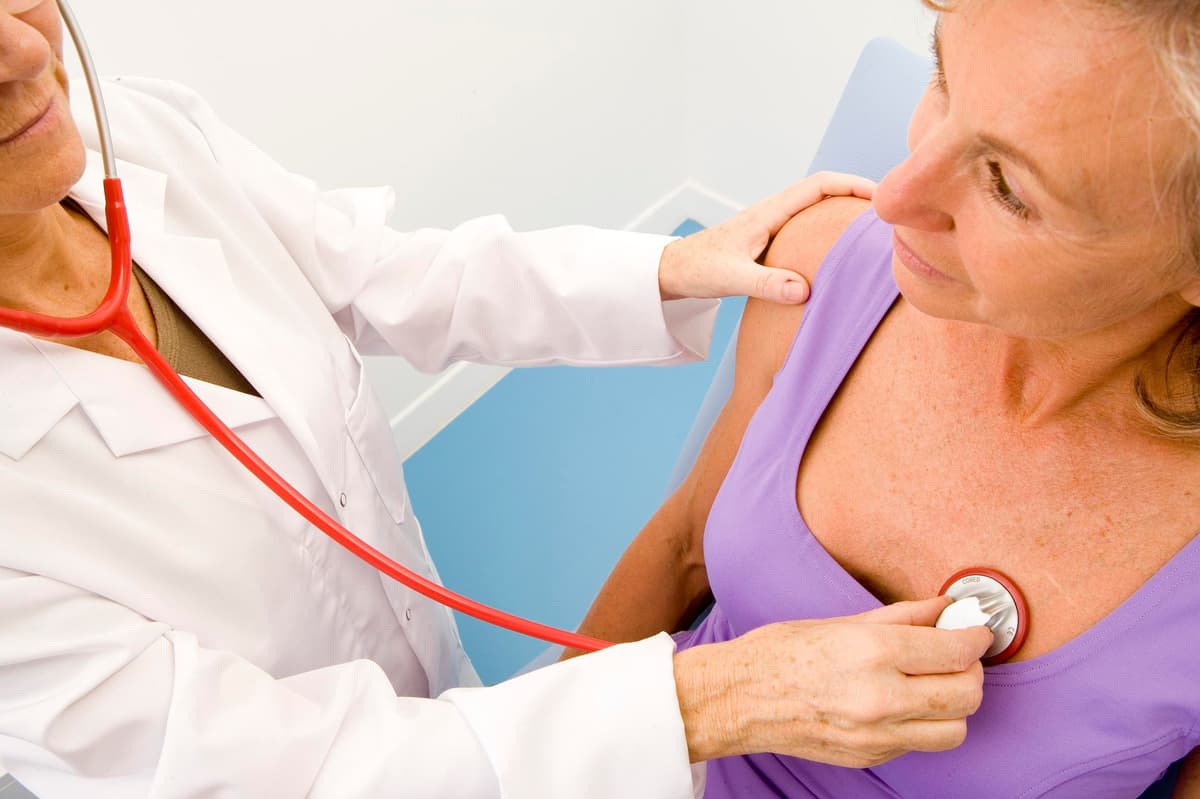
Sex Matters: The Heart Disease Risk Women Can’t Afford To Miss
Why It Matters
Understanding women‑specific risk factors can reduce missed diagnoses and improve outcomes, addressing a major gender gap in cardiovascular care.
Key Takeaways
- •Preeclampsia raises heart disease risk for decades after pregnancy
- •MITEY program provides home BP cuffs and remote monitoring postpartum
- •Menopause loss of estrogen triggers blood pressure and cholesterol rise
- •Early‑initiated hormone therapy shows neutral or protective heart effects
Pulse Analysis
Women’s cardiovascular health is often overlooked because the classic image of a heart attack is male‑centric. Recent data, including the VIRGO study cited by Dr. Erica Spatz of Yale, show that young women who suffer heart attacks experience worse outcomes than men, partly due to atypical symptoms and under‑diagnosis. Recognizing that pregnancy complications such as preeclampsia act as a long‑term stress test for the vascular system is crucial; roughly one in six women face high blood pressure during pregnancy, and half of those cases occur postpartum, dramatically increasing future heart‑attack and stroke risk.
To bridge the care gap, Yale’s MITEY program supplies women who experienced preeclampsia with home blood‑pressure cuffs and a remote clinical team for the critical six‑week postpartum window. This proactive model shifts monitoring from the clinic to the patient’s home, ensuring early detection of hypertension that might otherwise be missed while the mother focuses on newborn care. Follow‑up cardiovascular visits at six months to a year allow clinicians to assess cholesterol, weight distribution, and other risk factors, creating a personalized prevention plan that can span decades.
Hormone‑replacement therapy (HRT) also illustrates how nuanced evidence can reshape practice. Early‑initiated, bioidentical HRT—especially transdermal formulations—has been shown in re‑analyses of the Women’s Health Initiative and studies like ELITE to pose little to no added atherosclerotic risk for women aged 50‑59. Coupled with calls for sex‑specific curricula from medical school through fellowship, these insights underscore a broader shift: integrating women’s unique biological timelines into every layer of cardiac care can dramatically reduce mortality and close the gender disparity in heart disease outcomes.
Sex Matters: The Heart Disease Risk Women Can’t Afford To Miss
Comments
Want to join the conversation?
Loading comments...