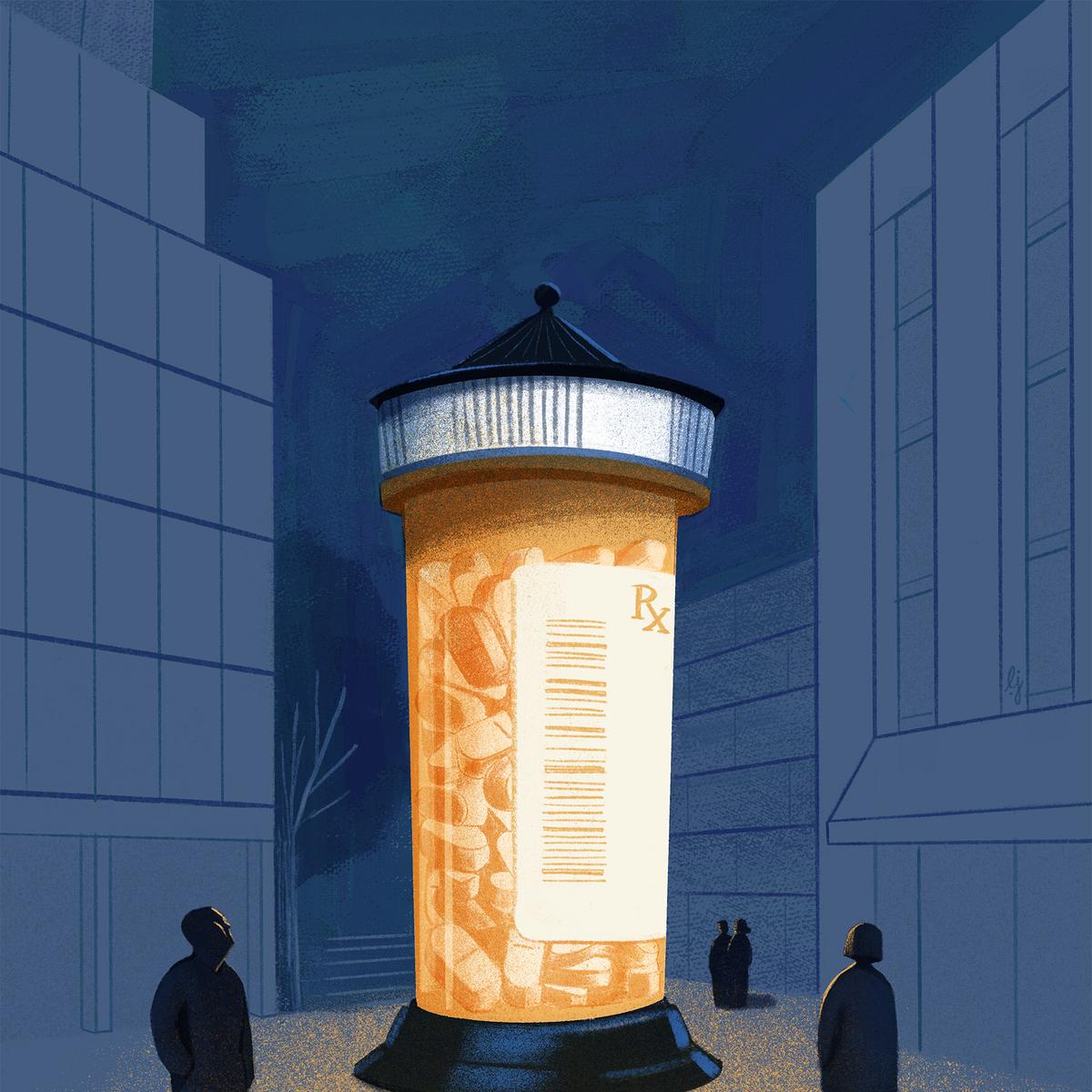
Should Drug Companies Be Advertising to Consumers?
Companies Mentioned
Why It Matters
The surge in DTC drug ads fuels off‑label use and reshapes prescribing habits, potentially inflating healthcare costs and prompting tighter regulatory scrutiny.
Key Takeaways
- •Novo Nordisk spent $180M on DTC ads in 2022
- •2023 ad spend rose to $189M, showing growth
- •Ads portray lifestyle benefits, influencing non‑diabetic consumers
- •Consumer demand drives off‑label use of GLP‑1 drugs
- •Regulators face pressure to tighten pharmaceutical DTC rules
Pulse Analysis
The pharmaceutical industry has revived direct‑to‑consumer (DTC) advertising after a decades‑long hiatus, treating prescription drugs like consumer brands. Novo Nordisk alone poured $180 million into U.S. TV spots for Ozempic in 2022, climbing to $189 million the following year, according to MediaRadar. These campaigns showcase vibrant, everyday scenes—people cooking, biking, playing pickleball—to link the drug with a revitalized lifestyle. By broadcasting a catchy jingle and vivid imagery, the ads have transcended clinical messaging, turning a diabetes treatment into a cultural touchstone for weight‑loss aspirations.
The allure of such marketing lies in its ability to reshape patient perception. Viewers without a diabetes diagnosis, like 69‑year‑old Tamar Abrams, interpret the ads as invitations to reclaim vitality, prompting inquiries about off‑label use. This consumer‑driven demand fuels a surge in GLP‑1 prescriptions for weight management, straining insurance formularies and raising concerns about long‑term safety. Moreover, the emotional framing sidesteps traditional risk disclosures, potentially accelerating prescription rates before physicians can fully assess suitability, thereby influencing healthcare costs and prescribing patterns.
Regulators are now grappling with the balance between patient education and commercial persuasion. The FDA permits DTC promotion only after a drug’s safety and efficacy are established, yet it offers limited guidance on lifestyle‑focused narratives that may blur therapeutic intent. Lawmakers and consumer‑advocacy groups are calling for stricter oversight, clearer labeling, and mandatory risk statements in televised spots. As spending climbs and competitors emulate the Ozempic formula, the industry faces a pivotal moment: innovate responsibly or risk heightened scrutiny that could reshape the future of pharmaceutical advertising.
Should Drug Companies Be Advertising to Consumers?


Comments
Want to join the conversation?
Loading comments...