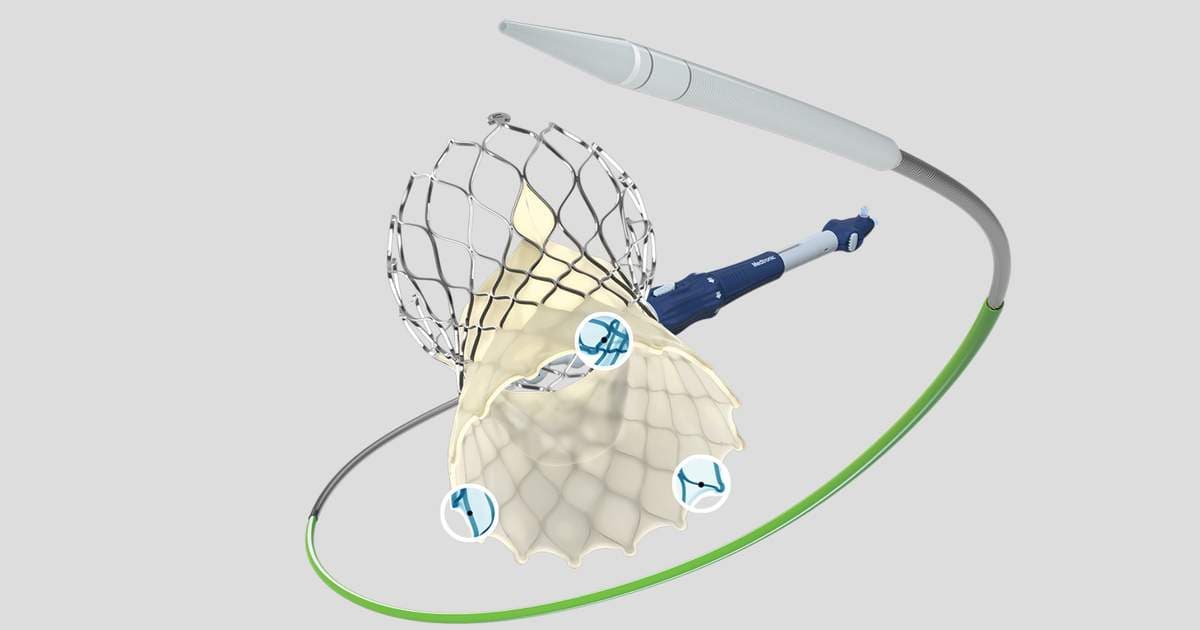
SMART Update: Self-Expanding TAVR Valves Still Linked to Superior Durability After 3 Years
Why It Matters
These findings reinforce the hemodynamic advantage of self‑expanding TAVR for a high‑risk subgroup, potentially guiding device selection and improving long‑term outcomes while reducing the need for re‑intervention.
Key Takeaways
- •Self‑expanding Evolut reduces BVD to 16.3% vs 54.4%
- •Benefits persist through three‑year follow‑up
- •Thrombosis rates lower with Evolut across VARC criteria
- •Safety profiles comparable between valve types
- •Trial cohort 90% women, small annulus focus
Pulse Analysis
Transcatheter aortic valve replacement has become the preferred therapy for many patients with severe aortic stenosis, yet device choice remains nuanced, especially in anatomically challenging cases. Small aortic annuli limit prosthetic sizing and increase the risk of prosthesis‑patient mismatch, a condition that can compromise hemodynamics and accelerate valve degeneration. Self‑expanding platforms, such as Medtronic's Evolut, offer a larger effective orifice area and more conformable sealing, which theoretically mitigates these risks compared with balloon‑expandable systems like Edwards' Sapien 3.
The SMART trial, a head‑to‑head comparison focused on this high‑risk cohort, now reports three‑year outcomes that substantiate those theoretical benefits. Evolut valves achieved a bioprosthetic valve dysfunction rate of 16.3 % versus 54.4 % for Sapien 3, and demonstrated markedly lower rates of valve thrombosis under both VARC‑2 and VARC‑3 definitions. Importantly, the safety profile—including stroke, bleeding, and mortality—was statistically indistinguishable between the two devices, suggesting that the hemodynamic gains do not come at the expense of increased procedural risk. The trial’s demographic skew—nearly 90 % women—adds relevance for a population historically underrepresented in cardiovascular research.
Clinicians and hospital procurement teams should interpret these data as a compelling argument for preferentially selecting self‑expanding TAVR in patients with small annuli, particularly women, to enhance durability and reduce downstream interventions. The durability advantage may translate into lower lifetime costs for health systems, as fewer re‑operations and anticoagulation therapies are required. As the trial continues its five‑year follow‑up, the evolving evidence base will likely influence guideline updates and market dynamics, potentially shifting the competitive balance toward manufacturers of self‑expanding technologies.
SMART update: Self-expanding TAVR valves still linked to superior durability after 3 years
Comments
Want to join the conversation?
Loading comments...