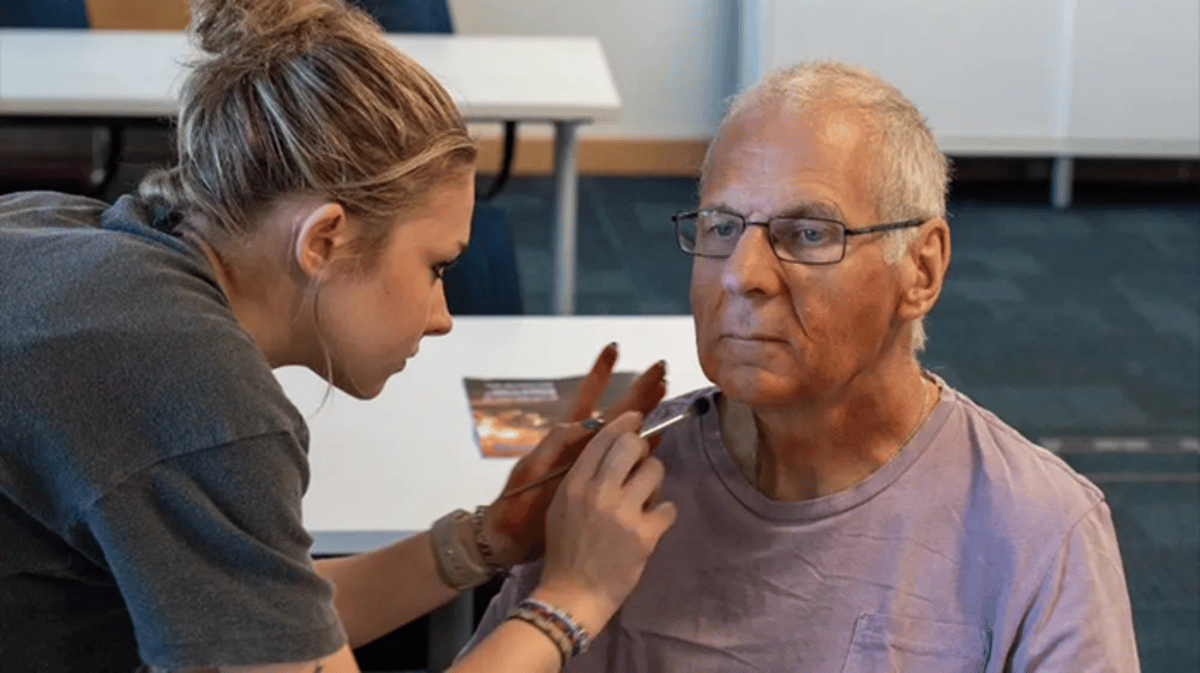
Solent Student Masters the Art of Fake Wounds to Create Life-Saving Simulations for the Military and NHS
Why It Matters
Moulage elevates the fidelity of medical and combat training, directly enhancing patient outcomes and soldier survivability. The story demonstrates how niche creative skills can translate into critical, high‑impact roles in public safety and defense sectors.
Key Takeaways
- •Katie Upton secures jobs with ambulance service and British military
- •Moulage boosts realism in NHS and armed forces trauma training
- •Solent's practice‑led degree links design to healthcare employment
- •UK ambulance services previously relied on informal wound simulations
- •Military simulations now feature prosthetic limbs and detailed injuries
Pulse Analysis
Moulage, the art of crafting lifelike injuries, has moved from film sets to the front lines of medical education. By replicating the visual and tactile cues of real wounds, trainers can immerse paramedics, doctors, and soldiers in scenarios that demand rapid, accurate decision‑making. Katie Upton’s work—ranging from faux amputations to blood‑splattered lacerations—provides a sensory fidelity that textbook simulations simply cannot match, reducing the gap between rehearsal and real‑world response.
The ripple effect of high‑quality moulage extends beyond individual trainees. For the NHS, realistic simulations translate into faster triage, better hemorrhage control, and ultimately, lives saved in emergency departments. Military units benefit similarly; detailed combat trauma drills prepare medics to identify complex injuries under fire, improving casualty survival rates. Upton’s dual appointments illustrate a growing demand for specialized artists who can bridge creative craftsmanship with clinical precision, a niche that is increasingly recognized as essential infrastructure for national health and defense readiness.
Solent University’s practice‑led curriculum exemplifies a shift in higher education toward industry‑aligned skill development. By embedding real‑world projects, internships, and cross‑sector partnerships into the BA (Hons) Prosthetics and Special Effects Design program, the university produces graduates ready to fill critical gaps in sectors traditionally unrelated to the arts. This model not only boosts employability for students like Upton but also supplies the NHS and military with a pipeline of talent capable of elevating training standards, signaling a broader trend where creative disciplines become integral to public safety and national security strategies.
Solent student masters the art of fake wounds to create life-saving simulations for the military and NHS
Comments
Want to join the conversation?
Loading comments...