Why It Matters
The scandal exposes systemic privacy violations in Taiwan’s booming aesthetic‑medicine market, threatening patient trust and prompting tighter regulatory enforcement. It also signals potential financial and reputational fallout for clinics that rely on covert monitoring.
Key Takeaways
- •Hidden cameras found in Airlee clinics nationwide
- •Detention of three Airlee executives; manager bailed NT$5 M ($159k)
- •Industry uses surveillance to prevent disputes and employee theft
- •Violations could trigger fines up to NT$250k ($15.9k) or license loss
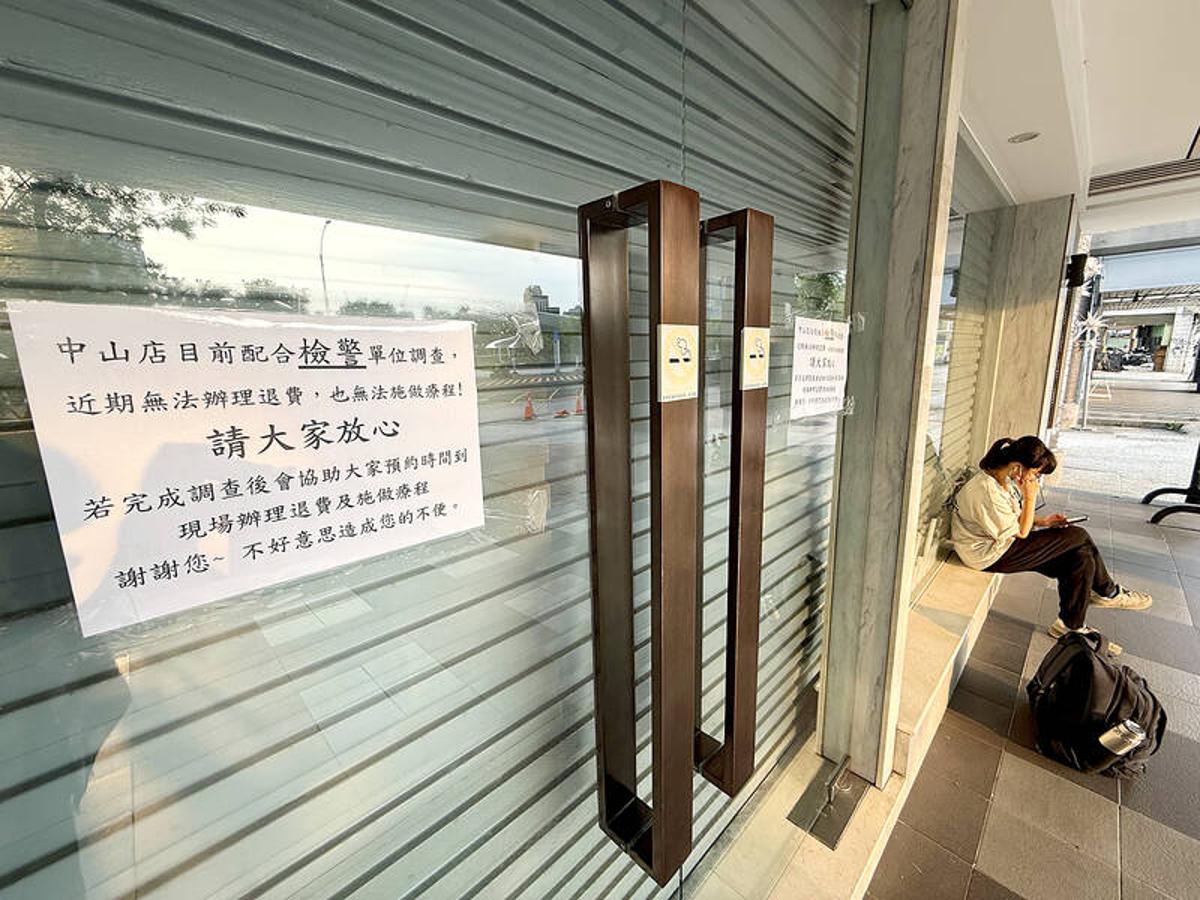
- •Patients form groups demanding refunds and compensation
Pulse Analysis
The discovery of covert cameras in Airlee’s clinics has ignited a privacy firestorm in Taiwan’s aesthetic‑medicine industry. While clinic owners argue that real‑time monitoring protects against malpractice claims and employee theft, the practice runs afoul of the nation’s privacy statutes and the Medical Care Act. Patients, many of whom undergo invasive procedures, now face the unsettling prospect that intimate moments may have been recorded without consent, raising ethical questions that extend beyond a single chain.
Legal experts note that the alleged violations could trigger penalties of up to NT$250,000 (≈US$15,900) per breach, and, for licensed medical professionals, the risk of license revocation. The New Taipei District Court’s decision to detain three senior Airlee figures and impose a NT$5 million bail on a fourth underscores the seriousness with which prosecutors are treating the case. If courts find that the hidden cameras contravened Article 72 of the Medical Care Act or the Child and Youth Sexual Exploitation Prevention Act, the fallout could set a precedent for stricter oversight of all aesthetic clinics.
Beyond legal repercussions, the scandal threatens the industry’s reputation and bottom line. Affected patients have organized self‑help groups demanding refunds and compensation, pressuring clinics to adopt transparent refund policies and improve consent procedures. The episode may prompt regulators to mandate explicit signage and stricter data‑protection protocols, reshaping how clinics balance security concerns with patient privacy. For investors and operators, the Airlee case serves as a cautionary tale: safeguarding trust is as critical as protecting assets in a market driven by consumer confidence.
Spy cameras common at clinics: source
Comments
Want to join the conversation?
Loading comments...