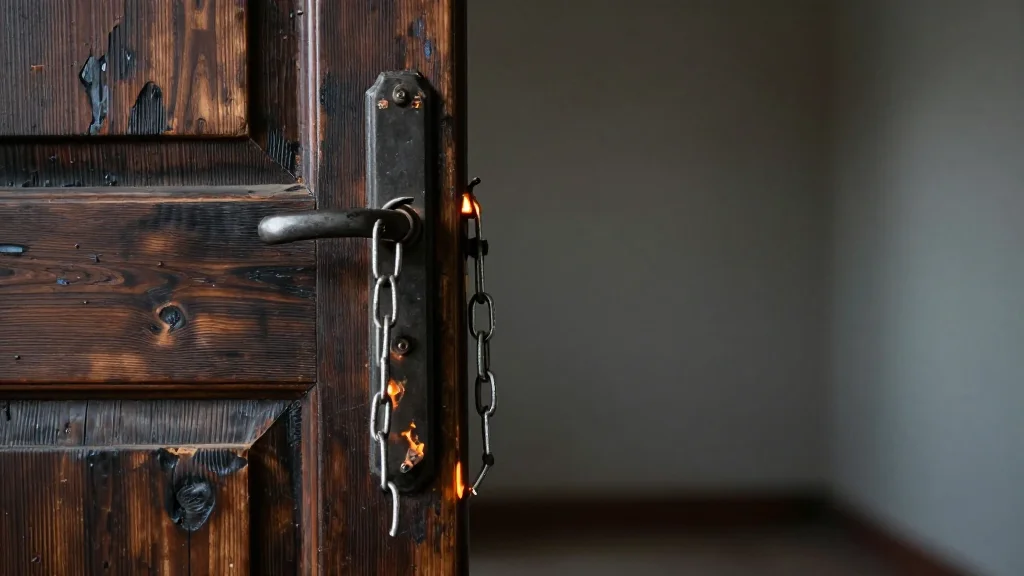
Sri Lanka Nursing Home Worker Says a ‘Chained’ Patient Was Among 13 Fire Victims
Why It Matters
The tragedy exposes systemic failures in mental‑health‑care oversight and patient safety in Sri Lanka, prompting urgent calls for stricter licensing and humane treatment standards.
Key Takeaways
- •13 deaths, including chained patient, in Sri Lanka nursing home fire
- •Home housed 71 residents despite capacity for ~15, violating regulations
- •Director arrested; investigation cites electrical short and negligence
- •Outcry demands stricter licensing and end to patient restraints
Pulse Analysis
The devastating fire at an unregistered nursing home in Galpatha, Sri Lanka, has drawn international attention to the precarious state of mental‑health facilities in the region. The blaze, which investigators attribute to an electrical short in a water‑pump wiring system, ignited a pile of mattresses and quickly engulfed the building. Of the 71 occupants, ten perished on the scene and three later died in hospital, including a patient who had been chained to a chair. Survivors were transferred to a nearby licensed facility while police detained the home’s director on charges of negligent homicide.
Beyond the immediate loss of life, the incident underscores chronic regulatory gaps and human‑rights concerns in Sri Lanka’s long‑term care sector. The home was operating far beyond its legal capacity—housing roughly fifteen patients in a space designed for that number—yet remained unregistered despite prior warnings from government officials. Reports of patients being physically restrained, a practice prohibited under international standards for the treatment of individuals with psychiatric conditions, have sparked public outrage and highlighted the need for robust oversight mechanisms. The case also raises questions about the adequacy of emergency response protocols in rural settings, where limited resources can exacerbate the impact of such disasters.
In response, Sri Lankan authorities have pledged tighter enforcement of licensing requirements and a review of patient‑safety protocols across all mental‑health institutions. Advocacy groups are urging the government to adopt best‑practice guidelines that ban restraints, ensure appropriate staffing ratios, and mandate regular safety inspections. The tragedy serves as a stark reminder to policymakers worldwide that neglecting basic standards of care can have fatal consequences, and it reinforces the imperative for transparent, accountable systems that protect vulnerable populations.
Sri Lanka nursing home worker says a ‘chained’ patient was among 13 fire victims
Comments
Want to join the conversation?
Loading comments...