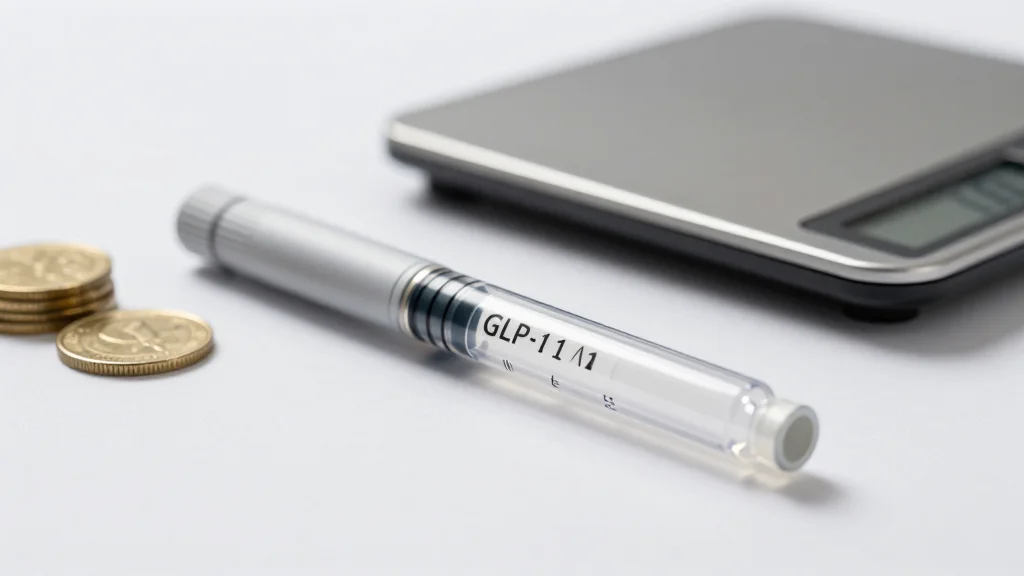
Study Finds Patients Willing to Use Lower-Cost Treatments to Keep Weight Off, Allowing More Access to GLP-1s
Why It Matters
Patient endorsement of lower‑cost maintenance could unlock savings and expand GLP‑1 access, reshaping obesity‑care financing for insurers and health systems.
Key Takeaways
- •80% support insurer coverage for full‑dose GLP‑1 during active loss
- •Patients favor lower‑cost maintenance after reaching weight‑loss plateau
- •Switching could free up spending for additional patients
- •Anxiety about weight regain remains a key barrier
- •Study surveyed over 700 U.S. adults with obesity
Pulse Analysis
The surge in glucagon‑like peptide‑1 (GLP‑1) receptor agonists has transformed obesity treatment, delivering dramatic weight loss and reducing comorbidities such as diabetes and heart disease. Yet the high price tag—often exceeding $1,000 per month—has strained payer budgets and limited coverage, prompting insurers to explore value‑based designs that balance efficacy with affordability. As demand outpaces supply, the industry faces pressure to devise sustainable models that keep patients on therapy without inflating costs.
The University of Michigan study provides a rare glimpse into patient preferences at a pivotal moment: after achieving a weight‑loss plateau. More than eight in ten respondents indicated they would accept lower‑cost maintenance therapies if insurers covered full‑dose GLP‑1s during the initial loss phase. This willingness suggests a viable deprescribing pathway that could reallocate funds, allowing insurers to treat a larger pool of eligible patients. By aligning coverage policies with patient‑driven evidence, payers can mitigate the two‑thirds share of GLP‑1 spending devoted to maintenance while preserving clinical outcomes.
However, the transition is not without hurdles. Respondents voiced concerns about weight regain and long‑term health impacts when switching away from proven injectables. Successful implementation will require robust, evidence‑based alternatives—such as oral agents or lower‑dose formulations—that demonstrate comparable durability. Policymakers and health systems must also invest in education and monitoring to ease patient anxiety. As the market matures, integrating patient insights with cost‑containment strategies will be essential for scaling access to life‑changing obesity therapies.
Study Finds Patients Willing to Use Lower-Cost Treatments to Keep Weight Off, Allowing More Access to GLP-1s
Comments
Want to join the conversation?
Loading comments...