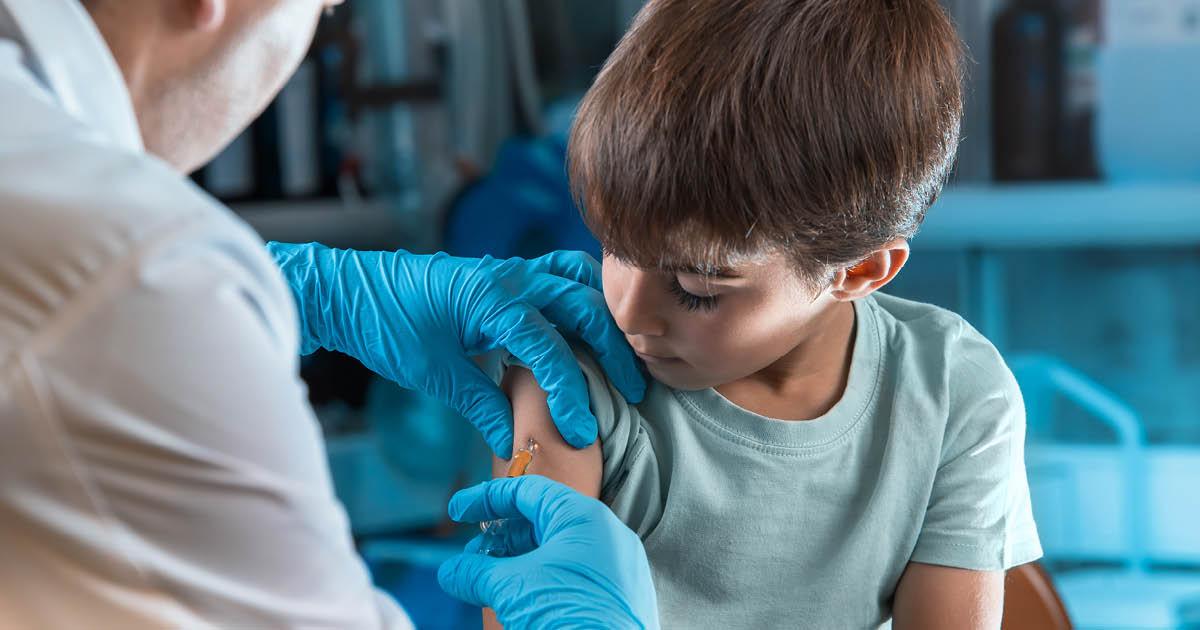
Study: Kids with Fall Birthdays More Likely to Get Flu Vaccine
Companies Mentioned
Why It Matters
The findings highlight how simple logistical factors can boost flu‑vaccine coverage, informing policymakers and pediatricians about strategies to restore universal recommendations and reduce childhood influenza burden.
Key Takeaways
- •Fall birthdays boost flu‑vaccine uptake by 8‑13 percentage points.
- •Higher uptake translates to 9‑14 fewer flu cases per 100 vaccinated.
- •Study uses birthday timing as natural randomization proxy.
- •Findings support reinstating universal flu‑vaccine recommendation for children.
- •Vaccine efficacy estimates derived from 2016‑2023 data across five seasons.
Pulse Analysis
The study exploits a quirky but powerful natural experiment: children’s birthdays dictate the timing of well‑child visits, which in turn influences flu‑vaccine administration. By comparing cohorts with fall versus summer birthdays, researchers observed a consistent 8‑13 percentage‑point advantage in vaccination rates for the fall group. This advantage translated into a measurable reduction in influenza diagnoses, equating to roughly nine to fourteen fewer cases per hundred vaccinated children each season. Such granular evidence fills a long‑standing gap in randomized data that the CDC cites when evaluating vaccine effectiveness.
Beyond the raw numbers, the research offers a pragmatic lesson for health‑services delivery. Scheduling flexibility—aligning vaccine offers with routine check‑ups—can dramatically improve uptake without additional outreach costs. Pediatric practices, schools, and daycare centers can adopt birthday‑based reminders or bundled well‑child visits to capture this latent demand. The approach also provides a template for assessing other age‑dependent interventions where randomization is ethically or logistically infeasible, reinforcing the value of quasi‑experimental designs in public‑health research.
Policy implications are immediate. The federal decision to downgrade the universal flu‑vaccine recommendation has faced legal challenges, and this study supplies concrete, population‑level evidence that universal coverage yields tangible health benefits. Reinstating a universal recommendation could standardize the practice of offering the flu shot during routine visits, narrowing the coverage gap identified in the analysis. For insurers and payers, higher vaccination rates promise lower downstream costs associated with pediatric flu hospitalizations and missed school days, aligning clinical outcomes with economic incentives.
Study: Kids with fall birthdays more likely to get flu vaccine
Comments
Want to join the conversation?
Loading comments...