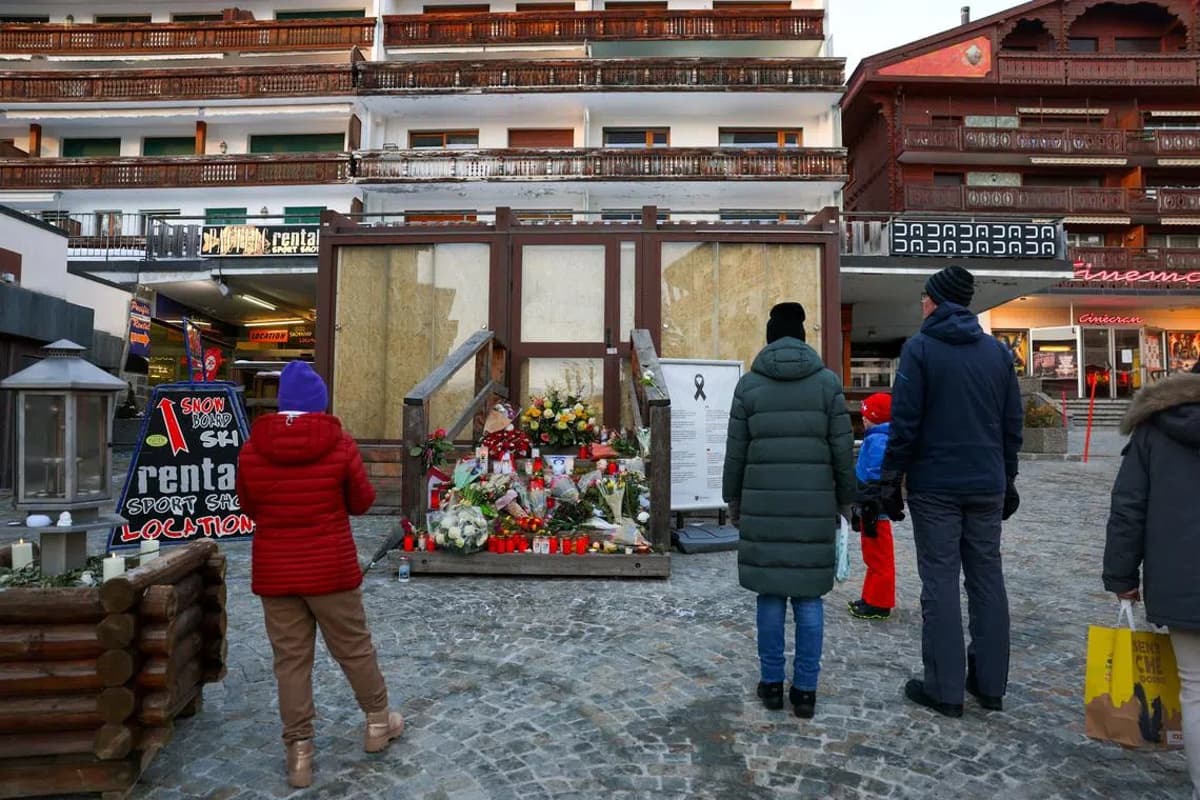
Switzerland Angers Italy by Claiming Costs of Treating Crans-Montana Fire Victims
Why It Matters
The standoff highlights how cross‑border health‑cost recovery can strain diplomatic ties, especially when political leaders frame the issue as a matter of national dignity. It may prompt a review of existing EU‑Swiss health‑insurance frameworks and affect future cooperation on emergency response.
Key Takeaways
- •Switzerland seeks >100,000 CHF (~$110k) from Italy for fire victims' care
- •Italy's PM Meloni vows to reject the reimbursement claim outright
- •Bilateral tension rises as health cost recovery clashes with EU‑Swiss agreements
- •Italian patients also received months‑long treatment in Milan, no charge demanded
Pulse Analysis
The Crans‑Montana tragedy has resurfaced a little‑known facet of European health policy: the mechanisms that govern cost sharing when patients cross borders for emergency care. Under the 2002 bilateral agreement, Switzerland and EU member states, including Italy, are supposed to bill each other’s health insurers directly, bypassing patients. Switzerland’s decision to issue an invoice to Italy’s Health Ministry, rather than to the victims, adheres to the letter of the treaty but clashes with the political optics of a nation still navigating its semi‑autonomous status vis‑à‑vis the EU. Analysts suggest that the move is less about recouping a modest sum and more about asserting fiscal sovereignty in a post‑pandemic landscape where health‑system budgets are under intense scrutiny.
Italy’s swift rejection, voiced by Prime Minister Meloni, taps into broader domestic narratives of national pride and resistance to perceived external pressure. While the amount—roughly $110,000—may seem trivial, the symbolic weight of a foreign government demanding reimbursement for its citizens can inflame public sentiment. Moreover, Italy’s own generosity—providing a civil‑protection helicopter and treating Swiss victims without charge—creates a diplomatic imbalance that Meloni is keen to spotlight. The episode may encourage both capitals to renegotiate finer points of the health‑insurance pact, potentially introducing clearer clauses for disaster‑related care.
Beyond the immediate diplomatic fallout, the case raises questions for multinational corporations and insurers operating in Europe. Companies that employ cross‑border workforces now face heightened uncertainty about who ultimately bears emergency‑treatment costs. Insurance providers may need to revisit policy language to ensure clarity in disaster scenarios, while governments could consider establishing joint emergency funds to sidestep ad‑hoc billing disputes. As Europe grapples with climate‑driven emergencies and increased mobility, the Crans‑Montana incident serves as a cautionary tale of how even modest financial claims can ripple through international relations and commercial risk management.
Switzerland angers Italy by claiming costs of treating Crans-Montana fire victims
Comments
Want to join the conversation?
Loading comments...