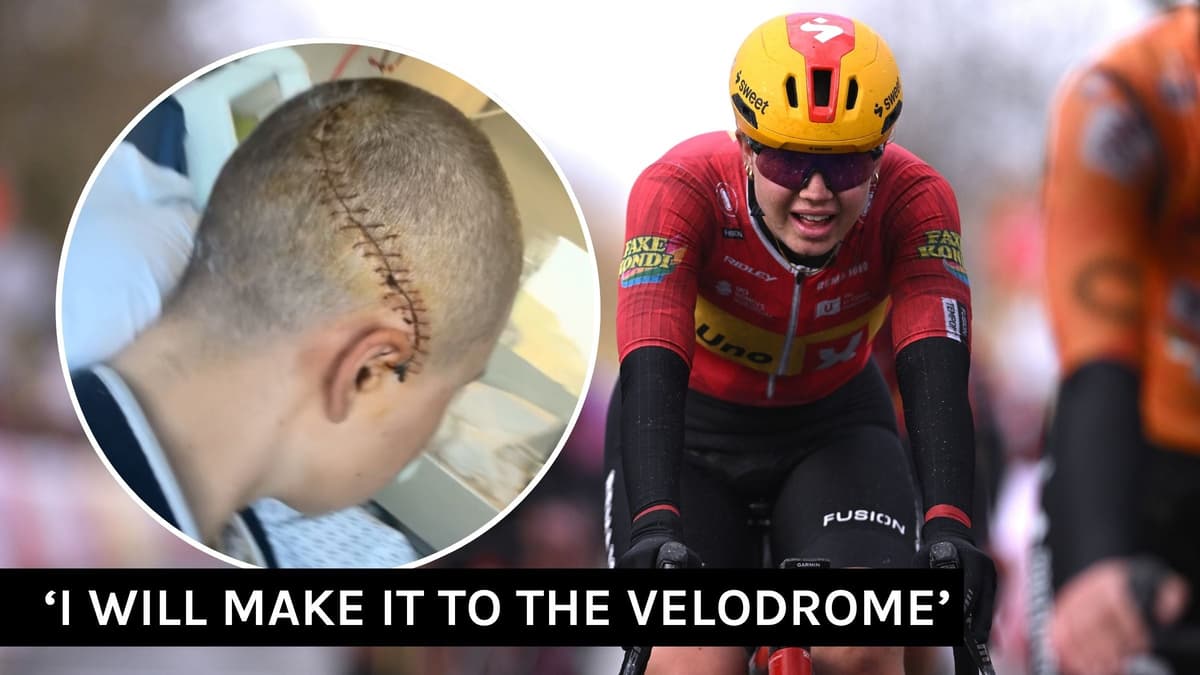
Teen Talent Vows to Return From Brain Hemorrhage and Paralysis After Roubaix Crash
Why It Matters
The crash underscores the urgent need for enhanced safety protocols in professional cycling, influencing regulatory actions and equipment innovation that could protect athletes worldwide.
Key Takeaways
- •Aasebø suffered brain bleed, elbow and jaw fractures in Paris‑Roubaix crash
- •Recovery focus: regaining right‑leg movement after brain injury and surgery
- •UCI plans mandatory GPS tracking for all riders to enhance safety
- •Teams test airbag systems and MIPS helmets to reduce crash severity
Pulse Analysis
The Paris‑Roubaix Femmes incident involving Norway's rising star Kamilla Aasebø has reignited the debate over cyclist safety on the sport's most treacherous cobblestone courses. Aasebø's injuries—a brain hemorrhage, multiple facial fractures, and a compromised right leg—illustrate the high stakes of racing on uneven terrain where a single misstep can lead to life‑altering trauma. Her swift return to Norway for rehabilitation highlights both the resilience of elite athletes and the medical challenges posed by severe head injuries in a sport traditionally focused on endurance and speed.
In response, the Union Cycliste Internationale (UCI) is accelerating safety reforms, most notably the rollout of mandatory GPS tracking for every rider. Real‑time location data promises quicker emergency response and better incident analysis, potentially reducing on‑course fatalities. Concurrently, industry innovators like Team Decathlon‑CMA CGM and PicnicPost‑NL are piloting airbag‑integrated apparel, while helmet manufacturers such as Sweet Protection are refining MIPS technology to limit rotational forces during impacts. These advancements aim to transform the protective gear landscape, offering riders a higher margin of safety without compromising performance.
The broader implications extend beyond individual recovery. As high‑profile crashes garner media attention, sponsors, teams, and governing bodies face mounting pressure to prioritize rider welfare. Enhanced safety standards could reshape race logistics, influence route design, and even affect broadcasting rights as audiences demand responsible competition. For cyclists like Aasebø, these changes represent a pathway back to competition, while the sport as a whole stands to benefit from a culture that balances the thrill of racing with the imperative of protecting its athletes.
Teen Talent Vows to Return from Brain Hemorrhage and Paralysis after Roubaix Crash
Comments
Want to join the conversation?
Loading comments...