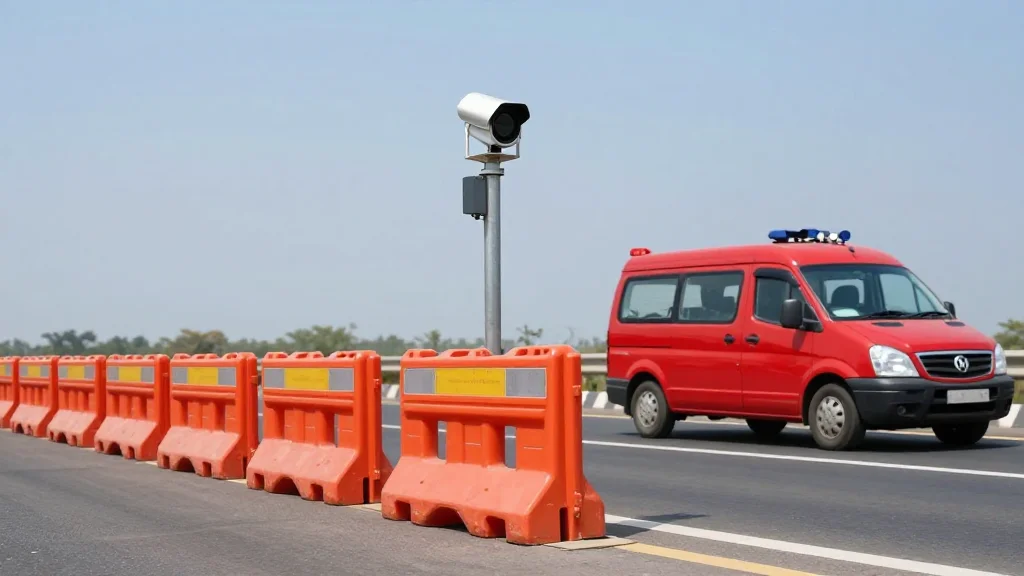
Telangana Launches Project Sanjeevani for Integrated Trauma Care on Highways
Companies Mentioned
Why It Matters
Standardizing post‑crash protocols on a high‑risk corridor could lower India’s road‑death rate and provide a template for other states, drawing federal support and private investment in trauma care.
Key Takeaways
- •251 km NH‑44 stretch targeted for integrated trauma care.
- •SaveLIFE Foundation leads pilot with Telangana government and NHAI.
- •Project aims to become replicable model across Indian highways.
- •SOPs focus on rapid ambulance response and coordinated rescue.
- •Road‑safety week launch ties into 99‑Day Action Plan.
Pulse Analysis
India records over 150,000 road‑traffic deaths annually, making post‑crash care a critical gap in the nation’s safety ecosystem. While highway engineering has improved, the speed and coordination of emergency response often lag, turning survivable injuries into fatalities. Telangana’s decision to embed trauma care directly into the highway corridor reflects a shift toward holistic road‑safety strategies that address not just prevention but also the immediate aftermath of collisions.
Project Sanjeevani leverages a public‑private partnership model: SaveLIFE Foundation provides expertise in emergency medical services, Vertis Foundation contributes funding and strategic guidance, while the state government and NHAI supply infrastructure and regulatory support. The pilot introduces standardized operating procedures (SOPs) for ambulance crews, real‑time incident reporting, and dedicated highway patrol units trained to secure crash sites. By concentrating resources on a 251‑km segment known for high fatality rates, the program can measure impact through reduced response times and improved survival statistics, data that will inform scaling decisions.
If successful, Sanjeevani could become the blueprint for a nationwide network of integrated trauma corridors. Replication would require alignment of state transport departments, health ministries and private ambulance operators, potentially spurring a new market for advanced emergency‑response technology. Moreover, the initiative dovetails with India’s broader 2026‑2030 road‑safety targets, offering a tangible pathway to meet the United Nations’ Sustainable Development Goal 3.6. The pilot’s outcomes will likely influence policy debates on funding allocations, insurance reimbursements for emergency care, and the role of NGOs in public‑health infrastructure.
Telangana launches project Sanjeevani for integrated trauma care on highways
Comments
Want to join the conversation?
Loading comments...