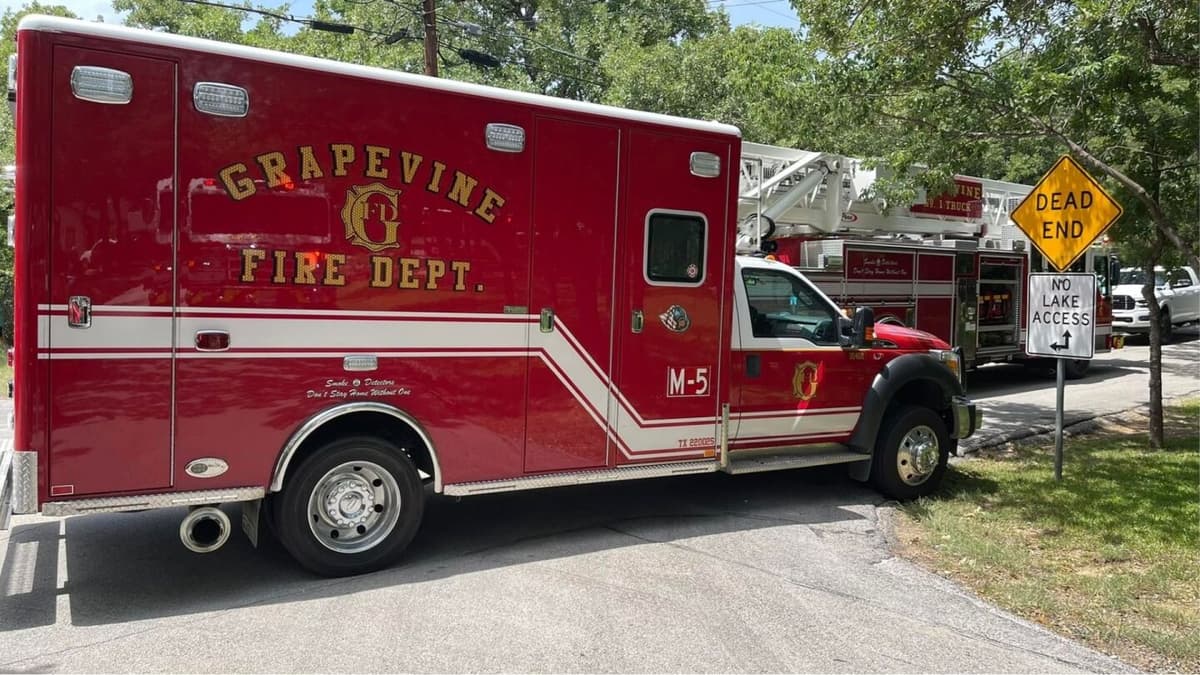
Texas Firefighters Union Says Rising EMS Demand Shows Need for More Ambulances, Not Fewer Engines
•March 10, 2026
0
Why It Matters
Reducing fire‑engine coverage while demand surges could lengthen response times, jeopardizing community safety and increasing liability for the municipality.
Key Takeaways
- •EMS calls up 13.1%, overall emergencies up 19.8%.
- •City plans to replace Engine 1 with two‑person squad.
- •Union argues squad cannot replace full fire engine capabilities.
- •Study shows staffing below NFPA standards, three firefighters per station.
- •Union recommends adding medic unit and new fire station.
Pulse Analysis
Rising emergency call volumes are reshaping municipal fire‑service strategies across the United States, and Grapevine, Texas, is a microcosm of that shift. Recent data reveal a near‑20% jump in total incidents and a 13% surge in EMS calls since the city relied on a 2021 consultant report to justify resource reallocation. While the city aims to streamline operations by converting Engine 1 into a two‑person squad and adding an ambulance, critics argue that the outdated study fails to capture current demand dynamics, risking gaps in fire‑suppression coverage in a district that houses schools, a trauma hospital, and major highways.
Compounding the controversy is the staffing model that leaves stations with three firefighters instead of the NFPA‑recommended four. The union‑commissioned GIS‑based analysis shows that this shortfall contributes to response‑time violations for fires, medical emergencies, and hazardous‑materials incidents. A two‑person squad, though versatile, lacks the water‑carrying capacity and crew size needed for robust fire attacks, making it a suboptimal substitute for a full engine. The union’s short‑term recommendation—stationing a medic‑qualified two‑person unit at Station 4—targets immediate EMS gaps, while the long‑term call for a new fire station seeks to restore staffing parity and meet industry benchmarks.
The Grapevine dispute underscores a broader policy dilemma: balancing fiscal prudence with the imperative to protect lives and property. Municipalities facing budget pressures often consider consolidating apparatuses, yet the trade‑off can erode public confidence and elevate insurance costs. A hybrid solution that expands both ambulance fleets and fire‑engine crews, perhaps through shared‑funding mechanisms or state grants, could reconcile the union’s safety concerns with the city’s financial realities. Ultimately, transparent, data‑driven planning—updating studies to reflect real‑time call patterns—will be essential for any jurisdiction aiming to sustain resilient emergency‑service operations.
Texas firefighters union says rising EMS demand shows need for more ambulances, not fewer engines
0
Comments
Want to join the conversation?
Loading comments...