The Billion-Dollar Women’s Health Market Driving A New Endometriosis Focus
Companies Mentioned
Why It Matters
An approved GLP‑1 indication could unlock billions in revenue while cutting surgical costs and delivering a long‑awaited therapeutic breakthrough for an under‑funded women’s health condition. It also shows how high‑margin drug categories can redirect capital toward unmet medical needs, reshaping the broader women’s health market.
Key Takeaways
- •GLP‑1 market projected >$100 billion annually within decade.
- •Endometriosis affects ~190 million women globally, under‑funded historically.
- •Surgery costs $6.4k‑$19.2k per UK procedure; drugs could lower expenses.
- •FemTech data fuels real‑world evidence for regulatory submissions.
- •No FDA or MHRA approval yet; access remains private‑pay only.
Pulse Analysis
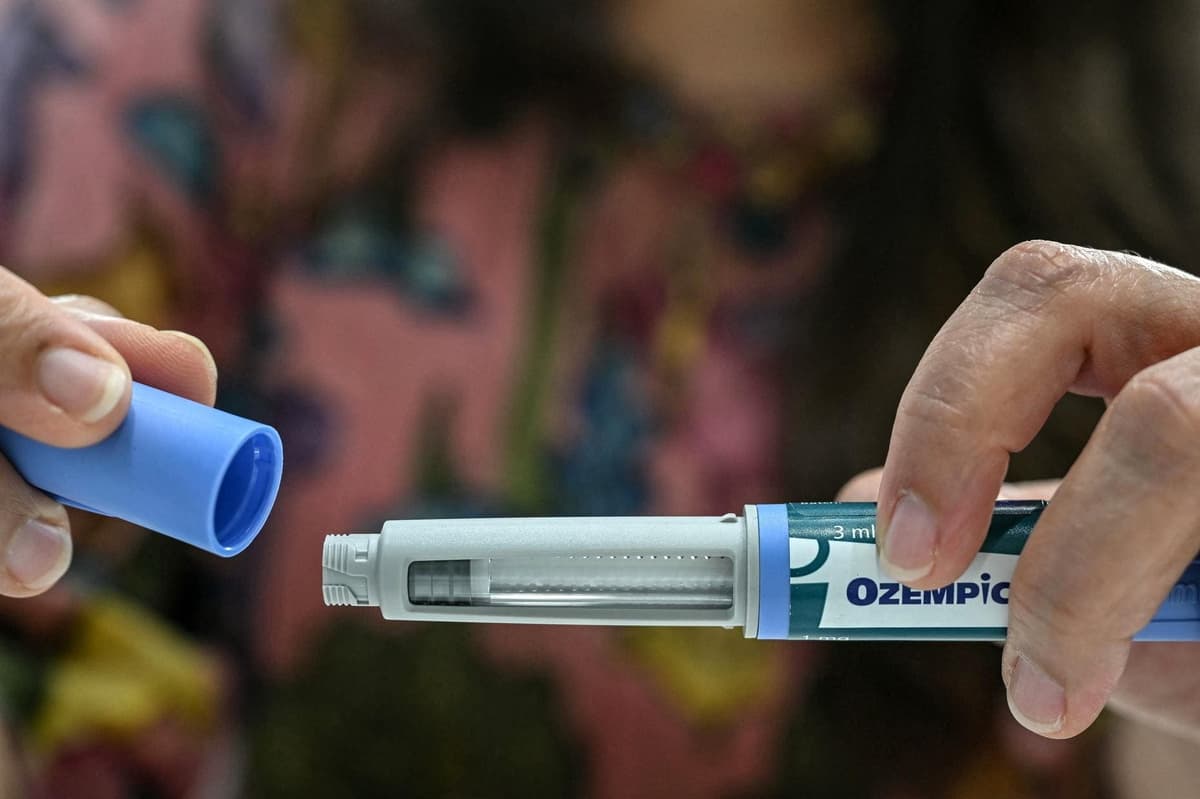
The explosive growth of GLP‑1 therapies, driven by their success in diabetes and obesity, has created a $100 billion revenue runway that pharma firms are eager to extend. By targeting endometriosis—a chronic, inflammatory condition affecting an estimated 190 million women—companies see an opportunity to apply a proven metabolic platform to a market historically starved of investment. The potential shift from invasive laparoscopic surgery, which can cost between $6,400 and $19,200 per procedure in the UK, to a monthly pharmacologic regimen promises both cost containment for health systems and a steadier, reimbursable revenue stream.
Clinical interest in GLP‑1 agents stems from their anti‑inflammatory and anti‑fibrotic properties, mechanisms that could plausibly alleviate endometriosis symptoms. However, robust, large‑scale trials are essential to move beyond anecdotal and observational data. Health insurers and public payers such as the NHS will demand clear evidence of efficacy, safety, and cost‑effectiveness before integrating these drugs into standard care pathways. If successful, the substitution effect could reduce repeat surgeries and associated long‑term care costs, delivering measurable savings across both private and public sectors.
A distinctive feature of this emerging therapeutic push is the partnership with FemTech platforms that capture real‑world symptom tracking and outcomes. These data streams enrich the evidence base, supporting regulatory submissions and reimbursement dossiers. Yet, without FDA or MHRA approval, access remains limited to affluent patients who can afford private prescriptions, underscoring a potential two‑tier system. The eventual approval could not only broaden the commercial lifespan of GLP‑1 drugs as patents expire but also signal a broader shift: high‑margin drug categories financing innovation in previously neglected women’s health arenas.
The Billion-Dollar Women’s Health Market Driving A New Endometriosis Focus
Comments
Want to join the conversation?
Loading comments...