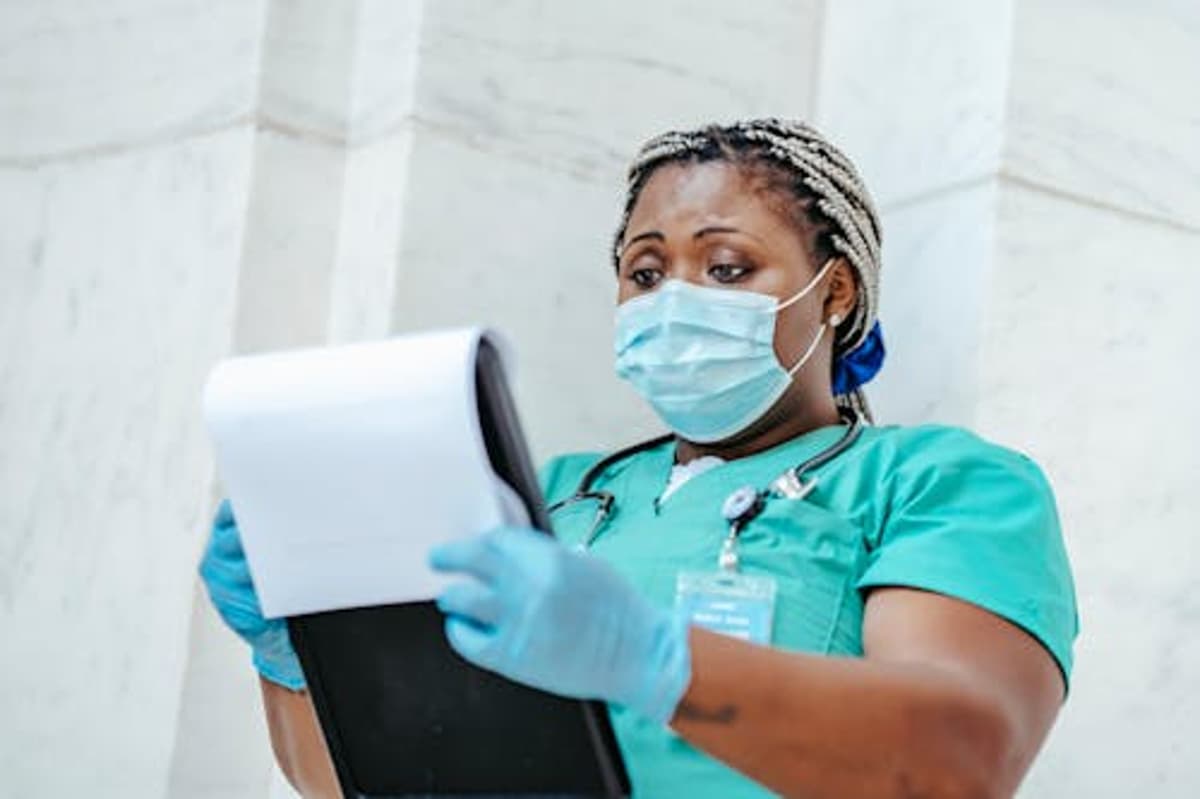
The Impact of Skilled Professionals on Modern Healthcare
Why It Matters
The effectiveness of these professionals directly impacts patient outcomes, hospital efficiency, and overall economic productivity, making talent management a core competitive advantage for health systems.
Key Takeaways
- •Diverse roles like data analysts and care coordinators improve patient flow
- •Ongoing education, such as online health science master’s programs, boosts adaptability
- •Skilled communication reduces misinformation and enhances treatment adherence
- •Workforce shortages drive loan forgiveness and expanded NP/PA roles
- •Reducing readmissions via skilled care yields economic benefits for the U.S. economy
Pulse Analysis
The modern health system is no longer a silo of physicians and nurses; it is an interconnected ecosystem where data scientists, lab technologists, and care coordinators translate complex information into actionable care pathways. As electronic health records and AI-driven diagnostics become routine, the human element that filters, contextualizes, and empathizes with patients determines whether technology improves outcomes or adds friction. This shift forces hospitals to rethink staffing models, placing equal emphasis on clinical expertise and analytical acumen.
Lifelong learning has become a non‑negotiable credential for the workforce. Online master’s programs in health science, flexible certification courses, and micro‑credentialing allow clinicians to acquire new competencies without leaving the bedside. By mastering telehealth platforms, wearable data interpretation, and emerging therapeutic protocols, professionals can bridge the gap between rapid scientific discovery and everyday patient care. Institutions that invest in continuous education see faster adoption of innovations and lower error rates, reinforcing a culture of resilience.
Economic stakes amplify the urgency of addressing talent gaps. Skilled providers reduce costly readmissions, streamline procedure utilization, and accelerate patient return‑to‑work, generating measurable gains for the broader economy. To combat shortages, health systems are expanding loan‑forgiveness schemes, authorizing broader scopes for nurse practitioners and physician assistants, and embedding mental‑health support to curb burnout. These strategies not only stabilize staffing levels but also enhance the quality of care, positioning organizations to meet future challenges such as an aging population and climate‑related health threats.
The Impact of Skilled Professionals on Modern Healthcare
Comments
Want to join the conversation?
Loading comments...