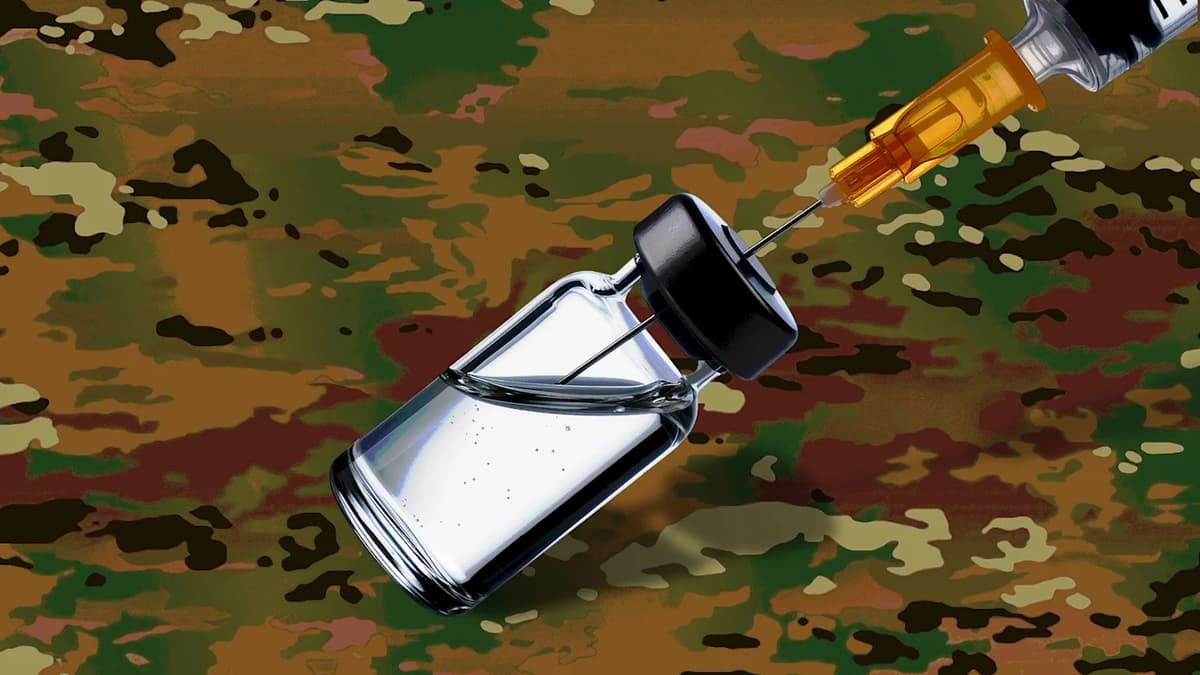
The Military Just Made Flu Shots Optional. Here’s Why That’s Controversial
Why It Matters
Voluntary flu vaccination may increase illness rates, affecting readiness, while the decision signals a politicized approach to health policy within the armed forces.
Key Takeaways
- •Flu mandate ends after 80 years of military policy
- •Hegseth calls mandate "overly broad" and "not rational"
- •Experts warn voluntary shots could raise flu cases in close‑quarters
- •Decision aligns with Trump’s cultural‑war strategy before midterms
- •COVID‑19 mandate led to 8,000 discharges, showing precedent
Pulse Analysis
The U.S. military has required annual influenza vaccination since the post‑World War II era, a policy born from the 1918 pandemic that crippled 20‑40% of troops with flu and pneumonia. Force health protection relies on high immunization rates because service members live, train, and deploy in tightly packed environments where respiratory illnesses spread rapidly. By shifting the flu shot from a mandate to a voluntary choice, the Department of Defense risks eroding the herd immunity that has historically limited flu‑related downtime and medical evacuations.
Politically, the announcement dovetails with the Trump administration’s emphasis on personal liberty and cultural conflict ahead of the 2026 midterm elections. Hegseth’s framing of the mandate as “overly broad” mirrors earlier rhetoric used to dismantle the COVID‑19 vaccine requirement, which saw roughly 8,000 service members discharged for non‑compliance between 2021 and 2023. The timing—amid an ongoing Iran war and rising measles and flu activity nationwide—suggests the policy is as much a signaling device to the administration’s base as a public‑health decision.
Operationally, the change could translate into higher flu incidence, increased sick‑call rates, and reduced unit readiness, especially during peak season. Historical data show that mandatory vaccination programs cut flu‑related absenteeism by up to 30% in the armed forces. As the Department of Defense navigates this new voluntary framework, it may need to bolster education campaigns, offer incentives, and closely monitor outbreak metrics to mitigate potential readiness gaps while balancing the political narrative of individual choice.
The military just made flu shots optional. Here’s why that’s controversial
Comments
Want to join the conversation?
Loading comments...