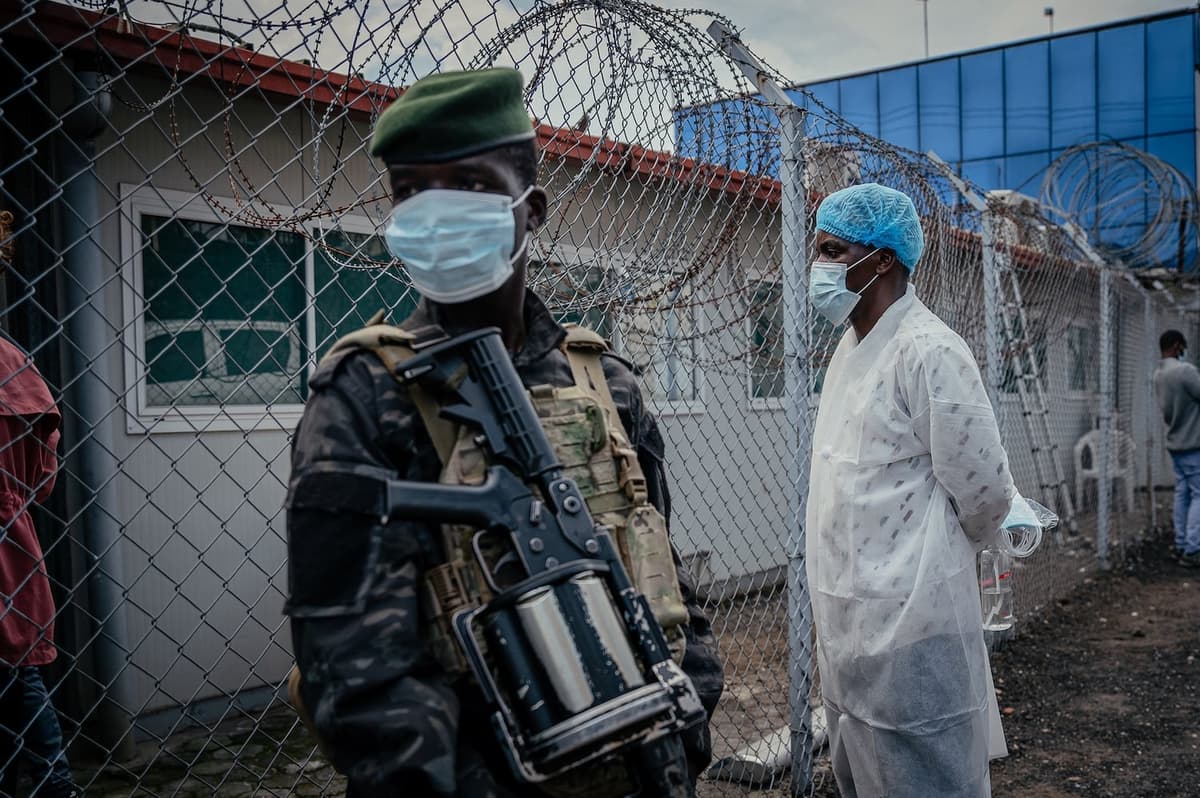
The Next Pandemic Will Come From a Conflict Zone
Why It Matters
Outbreaks in war‑torn regions expose the limits of tech‑centric preparedness and threaten global health security if structural weaknesses remain unaddressed.
Key Takeaways
- •Ebola declared emergency in Congo, spread to Uganda
- •WHO bypassed emergency committee, unprecedented move
- •Conflict‑driven health‑system fragility hampers outbreak response
- •Tech‑only pandemic plans ignore political and infrastructure gaps
- •Community intelligence and decentralized labs needed for early detection
Pulse Analysis
The latest Ebola flare‑up in eastern Congo and Uganda underscores a stark reality: the next pandemic is likely to emerge from a conflict zone where health‑care systems are already on the brink. Armed groups such as the M23 militia fragment authority, restrict humanitarian access, and intimidate health workers, turning hospitals into unsafe spaces. When surveillance relies on trust and transparent reporting, the erosion of that trust—exacerbated by aid cuts and political repression—creates blind spots that allow pathogens to spread unchecked. This pattern repeats across fragile settings, from Sudan to Ukraine, where violence, displacement, and under‑investment weaken the very foundations needed for rapid containment.
Historically, pandemic preparedness has been shaped by a colonial‑era focus on vertical, pathogen‑specific interventions—vaccines, diagnostics, and biotech solutions. While these tools have delivered breakthroughs, they often ignore the broader social determinants that dictate whether an outbreak spirals into a crisis. The Ebola episode illustrates how limited vaccine availability and the absence of approved treatments are less decisive than the inability to conduct contact tracing, safe burials, and community engagement amid insecurity. The authors warn that a continued emphasis on pathogen discovery, as seen in programs like USAID’s PREDICT, may divert resources from strengthening health infrastructure, workforce capacity, and risk communication in high‑risk regions.
To close the preparedness gap, policymakers must integrate political strategy with biomedical innovation. Investing in decentralized laboratory networks, wastewater surveillance, and community‑driven reporting can bypass the bottlenecks created by conflict. Simultaneously, diplomatic efforts should protect health‑care workers, ensure safe corridors for aid, and rebuild public trust. Only by treating fragile health systems as the core of pandemic defense—not as peripheral concerns—can the global community reduce the likelihood that a war‑torn region becomes the launchpad for the next worldwide health emergency.
The Next Pandemic Will Come From a Conflict Zone
Comments
Want to join the conversation?
Loading comments...