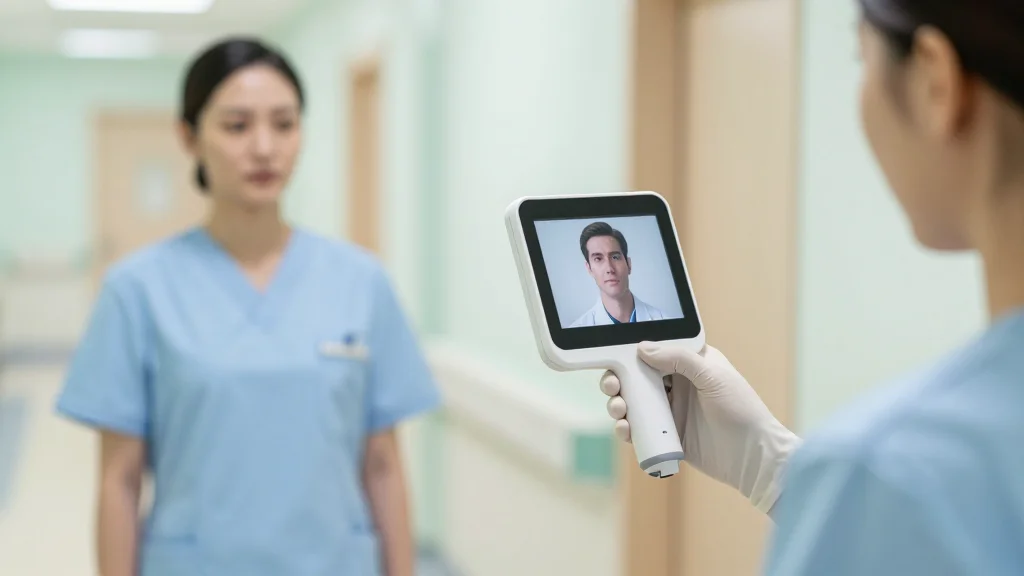
The Nurse Who Closed a Dangerous Gap in Rural Sexual Assault Care
Why It Matters
The solution eliminates a life‑threatening access gap for sexual‑assault survivors in rural America while delivering a financially sustainable model that preserves forensic evidence and strengthens hospital operations.
Key Takeaways
- •Tele‑SANE platform improves evidence collection; 89% exams altered documentation.
- •Nurse retention reaches 75% after year, vs 8% national average.
- •Survivor care-seeking rises 25%‑280% within first year of implementation.
- •SAFE‑T's custom imaging system replaces $30k colposcopes, works over basic Wi‑Fi.
Pulse Analysis
Rural communities have long faced a stark disparity in sexual‑assault care: without certified SANEs, survivors often travel hours for forensic exams or forgo care entirely. National data suggest that while more than half of U.S. women experience assault, roughly 80% lack access to an expert examiner. Telehealth, once limited to primary‑care consults, now offers a viable conduit for specialized forensic services, turning geographic isolation into a manageable technical challenge.
SAFE‑T System translates that promise into practice. Built on research from Penn State and UC Davis, the platform pairs local nurses with remote SANEs via a secure, high‑resolution imaging suite that fits on a standard Wi‑Fi connection. The technology captures magnified body and genital images, streams them instantly, and stores them in an encrypted cloud, eliminating the costly $30,000 colposcopes traditionally required. Early pilots demonstrated that 89% of examinations benefited from real‑time expert input, preventing missed or mishandled evidence. Hospitals also see operational gains: nurse turnover drops to 75% after one year—far above the 8% specialty average—and physicians are freed to focus on other emergencies, allowing the service to be funded from routine budgets rather than grants.
Beyond immediate clinical outcomes, SAFE‑T is reshaping policy and workforce development. Pennsylvania’s 2023 Sexual Assault Emergency Service Act cites the program’s data as a catalyst for future funding, and the network’s 164 trained SANEs represent a 353% increase in forensic nursing capacity in underserved areas. As more survivors seek care—some reporting up to a 280% surge—the model demonstrates that tele‑forensic care can both preserve critical evidence and foster long‑term community resilience, setting a template for nationwide adoption.
The nurse who closed a dangerous gap in rural sexual assault care
Comments
Want to join the conversation?
Loading comments...