Why It Matters
Misdiagnosis jeopardizes patient safety, inflates health‑care costs, and erodes trust, making it a critical priority for providers, insurers, and policymakers.
Key Takeaways
- •5% of Americans (~13 million) experience a diagnostic error annually
- •Over 750,000 people die or become disabled from misdiagnoses each year
- •Physician training rarely includes curricula on cognitive diagnostic mistakes
- •Time‑pressed appointments and profit‑driven incentives increase diagnostic error risk
- •AI can aid but won’t fix misdiagnosis without systemic cultural change
Pulse Analysis
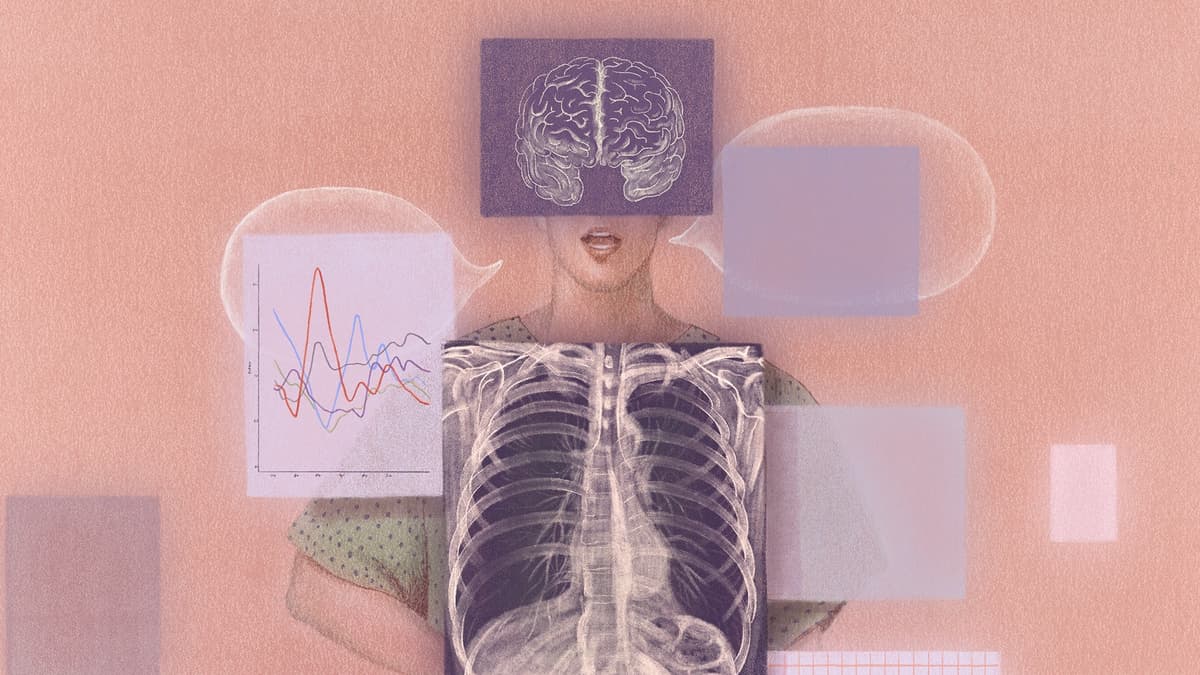
Diagnostic error has emerged as a silent epidemic in American health care. Recent analyses estimate that five percent of the population—roughly 13 million people—receive an incorrect or delayed diagnosis each year, and more than three‑quarters of a million individuals are permanently disabled or die as a direct result. The problem is not new; a 2015 National Academies report warned that most people will be misdiagnosed at least once in their lifetime, yet progress has been modest. These figures underscore a systemic blind spot that threatens patient safety, erodes trust, and inflates costs across the continuum of care.
Several intertwined factors sustain the crisis. The triumph of germ theory and high‑throughput testing shifted focus from bedside listening to algorithmic results, diminishing clinicians’ reliance on physical examination. Medical curricula often omit training on cognitive biases, leaving physicians ill‑equipped to recognize their own fallibility. Meanwhile, revenue‑driven models compress visits into 15‑minute slots, and insurance bureaucracy rewards speed over thoroughness, forcing hurried decision‑making. Studies show that interns spend merely 13 percent of their time in patient rooms, and 65‑80 percent of diagnostic errors stem from breakdowns in doctor‑patient communication, highlighting the human element at the core of the issue.
Artificial intelligence promises to streamline documentation and flag atypical patterns, but it cannot substitute for the relational judgment that prevents error. AI tools inherit existing biases and operate within the same incentive structures that prioritize volume over accuracy. Real progress will require a cultural reorientation toward uncertainty, longer encounters, and systematic feedback loops—principles exemplified by the NIH Undiagnosed Diseases Program, where multidisciplinary teams devote extensive time to each case. Policymakers, health systems, and educators must embed diagnostic safety metrics, reinforce bedside skills, and align reimbursement with quality, ensuring that technology augments rather than replaces the clinician’s critical thinking.
The Paradox of Modern Medicine
Comments
Want to join the conversation?
Loading comments...