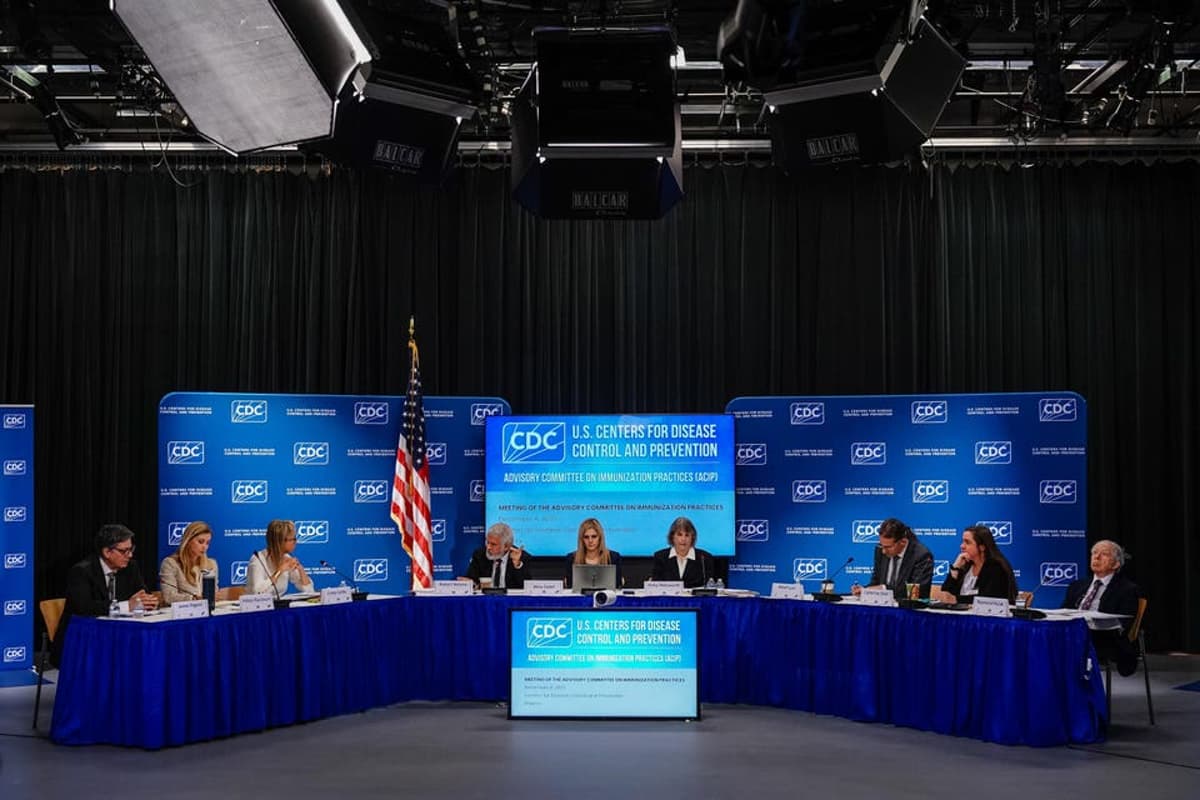
The Public Health Issues Surrounding This Month’s CDC Vaccine Advisory Meeting
•March 5, 2026
0
Why It Matters
Decisions from this meeting will steer U.S. vaccine policy, influencing coverage, public confidence, and disease control nationwide.
Key Takeaways
- •ACIP meeting set for March 18‑19, 2026
- •Myocarditis rates fell to 2 per million with bivalent vaccines
- •Long COVID affects over 20 million Americans
- •Possible overhaul of Evidence‑to‑Recommendations framework
- •Measles vaccination rates below herd immunity in many states
Pulse Analysis
The Advisory Committee on Immunization Practices (ACIP) serves as the linchpin between scientific evidence and national vaccine policy. Its March 2026 session arrives at a pivotal moment, as COVID‑19 vaccine safety data reveal a dramatic decline in myocarditis incidents—from 38 cases per million after the original monovalent doses to just two per million with the newer bivalent shots. This near‑baseline risk underscores the success of vaccine refinements but also highlights lingering concerns about transparent risk communication, a factor that can sway public perception and uptake.
Beyond acute safety, the committee will grapple with long COVID, a condition now affecting over 20 million U.S. residents. Emerging research confirms that vaccination markedly reduces the likelihood of persistent post‑infection symptoms, positioning boosters as a strategic tool for mitigating long‑term health burdens. However, waning confidence—evidenced by measles immunization rates slipping below the 95 % herd‑immunity threshold in several states—threatens broader public‑health gains. Addressing long COVID within vaccine guidance could reinforce the narrative that immunization offers both immediate and lasting protection.
A third agenda item involves revisiting the Evidence‑to‑Recommendations (EtR) framework that has guided ACIP decisions since 2018. Critics argue recent votes, such as the refusal to endorse a universal birthing dose of hepatitis B vaccine, deviate from rigorous evidence appraisal. Any methodological overhaul could ripple through the entire immunization schedule, affecting everything from pediatric series to adult booster recommendations. Stakeholders will watch closely to see whether the ACIP re‑establishes a transparent, evidence‑driven process that restores trust and sustains vaccine coverage across the United States.
The Public Health Issues Surrounding This Month’s CDC Vaccine Advisory Meeting
0
Comments
Want to join the conversation?
Loading comments...