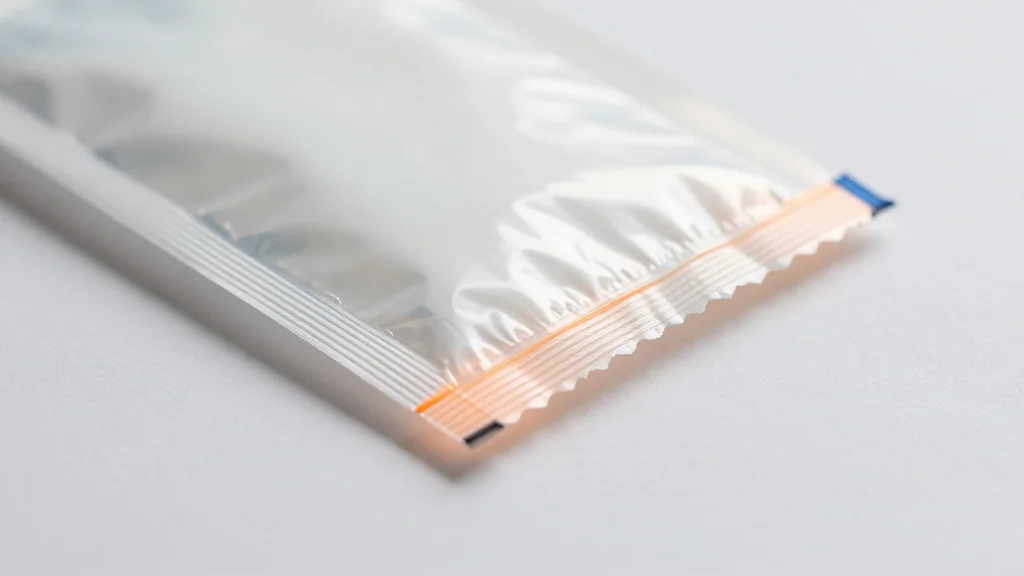
The Seal Strength Paradox: Why More Is Not Always Better in Sterile Barrier Packaging
Why It Matters
Over‑sealing compromises sterility assurance and can trigger costly product failures, making precise process control essential for compliance and market competitiveness.
Key Takeaways
- •Over‑sealing degrades seal integrity despite higher strength.
- •Adhesive peel systems are highly sensitive to temperature variations.
- •Cohesive peel designs shift failure mode into the sealant layer.
- •Process windows must be defined to avoid the overseal zone.
- •Data‑driven validation reduces trial‑and‑error in seal development.
Pulse Analysis
Sterile barrier packaging hinges on a delicate balance of material science and process parameters. Polymer sealants respond to heat and pressure by flowing and interdiffusing, which can create a robust bond within a defined window but cause extrusion and weakened integrity when pushed beyond that range. This overseal phenomenon often masquerades as stronger seals while introducing unpredictable tears, a risk that manufacturers frequently overlook in favor of simplistic "more is better" adjustments.
Understanding the distinction between adhesive and cohesive peel mechanisms is critical for reliable package performance. Adhesive peel relies on interfacial bonding and is acutely sensitive to temperature and pressure shifts, whereas cohesive peel moves the failure point into the sealant itself, offering a broader operating envelope. Regulatory bodies are tightening requirements around seal validation, demanding reproducible strength and predictable opening characteristics. Companies that fail to respect the overseal zone risk non‑compliance, product recalls, and eroded customer trust.
Advances in polymer chemistry now provide engineered sealants with tailored melt flow and peel characteristics, expanding viable process windows. Coupled with data‑driven modeling and rigorous process validation, manufacturers can shift from trial‑and‑error to predictive control, reducing waste and accelerating time‑to‑market. Investing in integrated material‑process strategies not only safeguards sterility but also delivers measurable cost savings and competitive advantage in the high‑stakes medical device market.
The seal strength paradox: Why more is not always better in sterile barrier packaging
Comments
Want to join the conversation?
Loading comments...