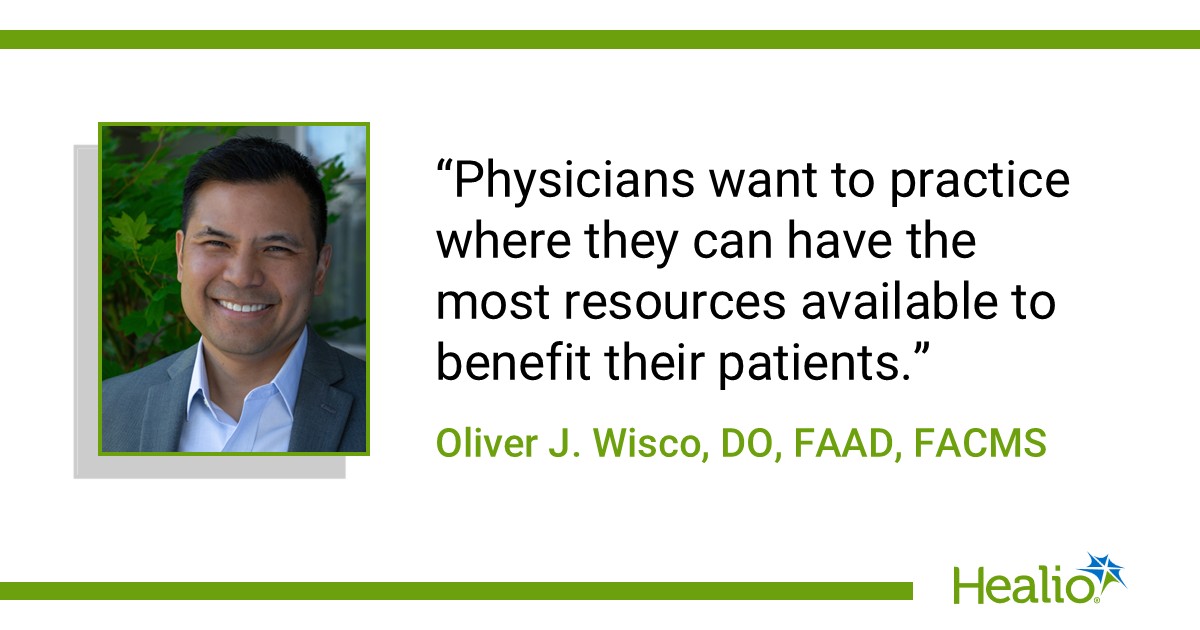
‘The System Is Broken’: Dermatology’s Rural Workforce Needs Rebuilding
Why It Matters
The shortage hampers timely skin‑cancer detection and chronic disease management, widening health disparities in rural communities and pressuring the overall healthcare system.
Key Takeaways
- •Only 11% of physicians serve rural areas despite 20% population
- •Dermatologist density highest in California; some states have <0.1% coverage
- •Rural residency slots represent just 2% of 44,344 total slots in 2026
- •$50 million Rural Health Transformation funding aims to improve infrastructure
- •Leveraging 2,000 unmatched PGY‑1 graduates could modestly expand rural workforce
Pulse Analysis
Rural America faces a stark dermatologist deficit that mirrors broader physician maldistribution. With 20% of the U.S. population residing in sparsely populated regions, only 11% of doctors practice there, leading to delayed diagnoses of skin cancers and unmanaged chronic dermatologic conditions. Geographic analyses reveal that states like California enjoy dense specialist networks, while places such as North Dakota and Alaska suffer distances of up to 230 miles between patients and providers. This gap not only inflates travel costs for patients but also strains primary‑care clinicians who must fill the specialty void.
Policy responses have been mixed. The recent $50 million Rural Health Transformation Program, part of a broader federal effort, seeks to modernize facilities and attract clinicians through infrastructure upgrades. However, the concurrent $930 billion Medicaid cut under the Big Beautiful Bill and capped medical‑student loan limits undermine these gains by reducing reimbursement rates and deterring new physicians from rural practice. Reimbursement inadequacies, coupled with limited financial incentives, remain the primary barrier cited by dermatologists reluctant to relocate.
Long‑term solutions focus on pipeline development and innovative workforce models. Expanding rural residency slots—currently only 2% of the 44,344 positions available—could dramatically increase retention, as graduates of rural programs are over five times more likely to stay. Additionally, tapping the pool of roughly 2,000 unmatched PGY‑1 graduates for supervised physician‑assistant roles offers a modest but immediate boost. Programs that recruit students from small towns, like Thomas Jefferson University's Physician Shortage Program with a 70% rural retention rate, demonstrate that targeted mentorship and community ties are critical for sustainable change.
‘The system is broken’: Dermatology’s rural workforce needs rebuilding
Comments
Want to join the conversation?
Loading comments...