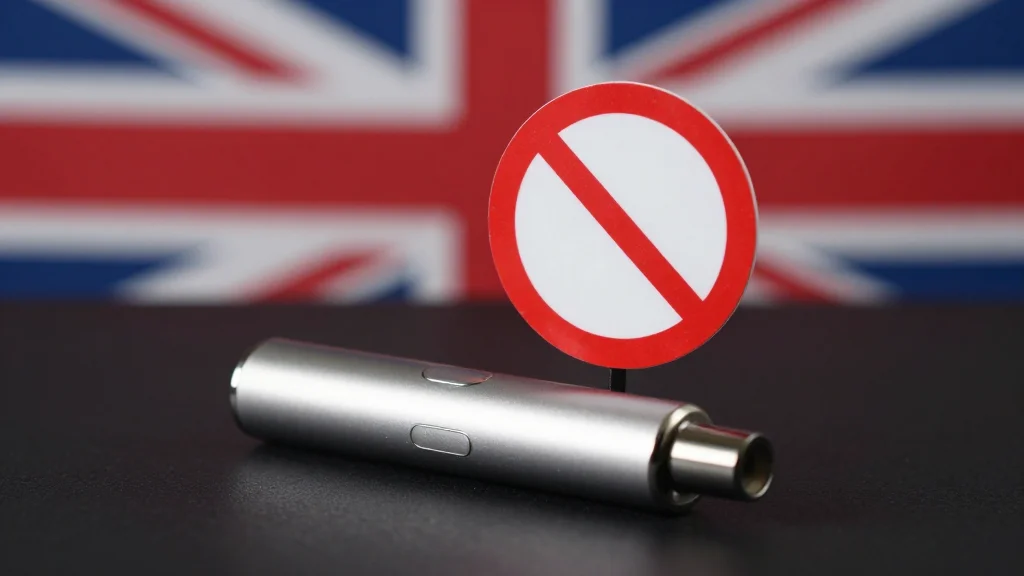
The Tobacco and Vapes Bill for a Smoke-Free Generation: Bold Vision, Fragile Foundations
Why It Matters
If enforcement falls short, the bill could fail to curb youth nicotine use, undermining public‑health goals and creating an uneven regulatory landscape across age cohorts.
Key Takeaways
- •Bill bans tobacco/vapes for anyone born after Jan 1 2009, effective 2027
- •2024 Lancashire sting: 36% shops sold vapes to 13‑16‑year‑olds
- •9% of UK 11‑15‑year‑olds currently use vapes despite 2015 ban
- •Youth cannabis use remains 13.8% among 16‑24‑year‑olds
- •Policy creates legal disparity between generations, raising equity concerns
Pulse Analysis
The Tobacco and Vapes Bill represents one of the most ambitious age‑based prohibitions in recent UK public‑health history. By tying the ban to a birthdate rather than a specific age, lawmakers hope to create a self‑reinforcing cohort that never legally accesses nicotine products. This approach mirrors earlier attempts to curb smoking through incremental age limits, yet it diverges by establishing a permanent legal boundary. The legislation also arrives amid broader debates about substance regulation, where alcohol remains legally available to 18‑year‑olds and cannabis use, though not fully legalized, continues to rise among young adults.
Enforcement, however, emerges as the bill's Achilles’ heel. A 2024 undercover operation in Lancashire found more than a third of sampled retailers willing to sell vapes to minors, highlighting a persistent black‑market dynamic. The 2015 ban on under‑18 vape sales has not eliminated youth consumption; recent surveys indicate that nearly one in ten children aged 11‑15 still vape. Without robust compliance checks, retailer penalties, and a coordinated public‑education campaign, the new law risks replicating past enforcement failures. Technological tools such as age‑verification kiosks and real‑time sales monitoring could bolster compliance, but they require significant investment and industry buy‑in.
Beyond compliance, the bill raises questions about regulatory fairness. Creating a “smoke‑free generation” while other age‑restricted substances—like alcohol—remain accessible to the same cohort may generate perceptions of selective protectionism. Moreover, the generational split could foster resentment among those barred from legal purchase, potentially driving illicit markets. Policymakers might consider a more holistic framework that aligns nicotine regulations with broader substance‑use strategies, including stricter controls on alcohol and targeted cannabis prevention. Such an integrated approach would reinforce public‑health objectives while mitigating the risk of the bill becoming merely a symbolic slogan.
The Tobacco and Vapes Bill for a Smoke-Free Generation: Bold Vision, Fragile Foundations
Comments
Want to join the conversation?
Loading comments...