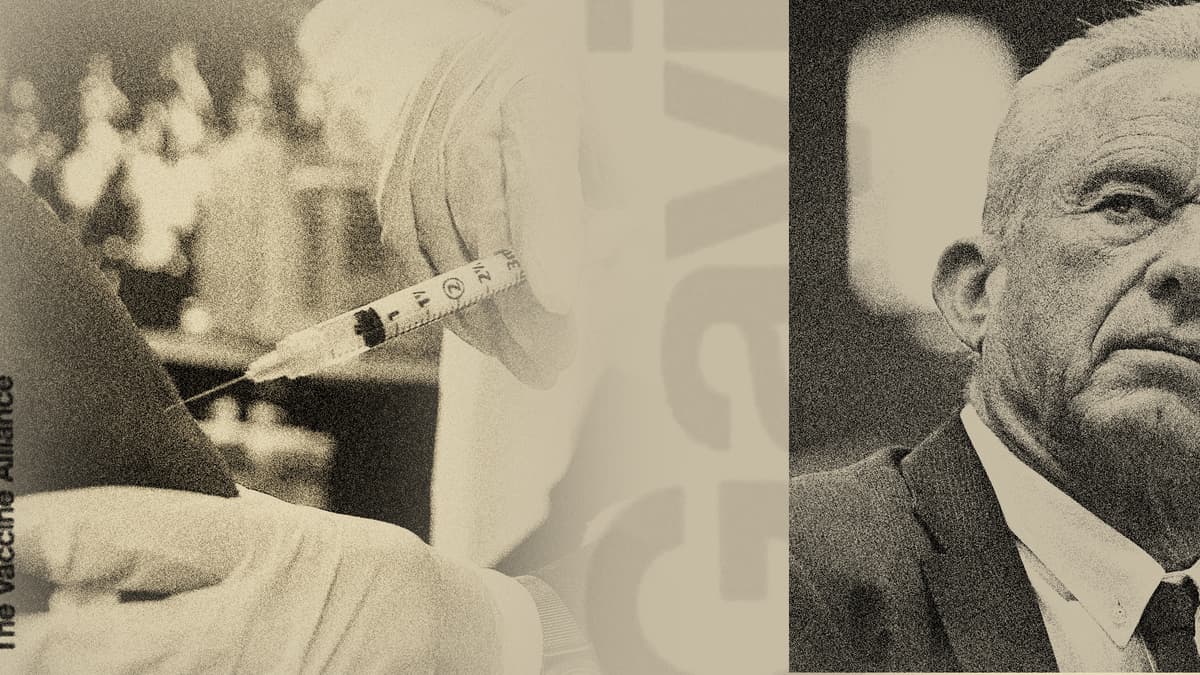
The U.S. Is Holding Global Vaccination Efforts Hostage
Why It Matters
U.S. withholding of Gavi funds threatens critical immunization programs in the world’s poorest regions, jeopardizing disease control and U.S. bio‑security. The shortfall underscores how domestic policy choices can ripple into global health outcomes.
Key Takeaways
- •U.S. has not released $600 million earmarked for Gavi (FY25‑26).
- •Funding gap creates ~30% budget shortfall for Gavi’s malaria program.
- •DTwP vaccine, cheaper but older, remains vital for low‑resource settings.
- •Delayed payments stall transition to thimerosal‑free vaccines worldwide.
Pulse Analysis
The Biden administration’s $1.6 billion pledge to Gavi was meant to cover roughly 13 percent of the alliance’s budget through 2030, yet the State Department has yet to disburse the $600 million allocated for 2025‑26. This pause reflects a broader U.S. shift away from multilateral health initiatives, highlighted by the recent exit from the World Health Organization and reductions to the CDC’s childhood immunization schedule. Politically, the move aligns with anti‑vaccine rhetoric championed by Health Secretary Robert F. Kennedy Jr., but the financial consequences extend far beyond domestic debates.
Gavi’s operational challenges are now magnified. The alliance’s malaria vaccine rollout, a flagship effort to curb disease across sub‑Saharan Africa, faces a nearly 30 percent budget deficit, limiting coverage to about 70 percent of target regions. Simultaneously, the transition from the low‑cost whole‑cell pertussis vaccine (DTwP) and thimerosal‑preserved formulations to pricier alternatives stalls, as Gavi awaits U.S. clearance tied to data on vaccine safety and preservative use. In low‑resource settings, DTwP’s affordability and longer‑lasting immunity remain essential, and thimerosal’s preservative benefits enable multi‑dose vials that reduce waste and cold‑chain strain.
The repercussions reverberate back to the United States. Gaps in global immunization increase the likelihood of pathogen spillover, threatening domestic health security. Moreover, U.S. vaccine manufacturers may pivot toward markets that maintain reliable funding, potentially sidelining American public‑health priorities. The episode illustrates how domestic political decisions can erode decades of progress in global health equity, underscoring the need for consistent, evidence‑based funding to sustain worldwide disease prevention efforts.
The U.S. Is Holding Global Vaccination Efforts Hostage
Comments
Want to join the conversation?
Loading comments...