The Vaccine Skeptic in Trump’s New C.D.C. Leadership Team
Why It Matters
Brenner’s position gives the Kennedy‑led HHS team a direct conduit to shape CDC and NIH actions, potentially undermining evidence‑based vaccine programs and eroding public‑health credibility. The move highlights growing political interference in scientific agencies, affecting national health outcomes.
Key Takeaways
- •Brenner appointed senior counselor, bypassing Senate confirmation
- •Known vaccine skeptic aligns with Kennedy’s anti‑immunization stance
- •Role links HHS secretary directly with CDC daily operations
- •Potential to reshape NIH grant priorities under Kennedy’s agenda
- •Appointment highlights politicization of U.S. public‑health leadership
Pulse Analysis
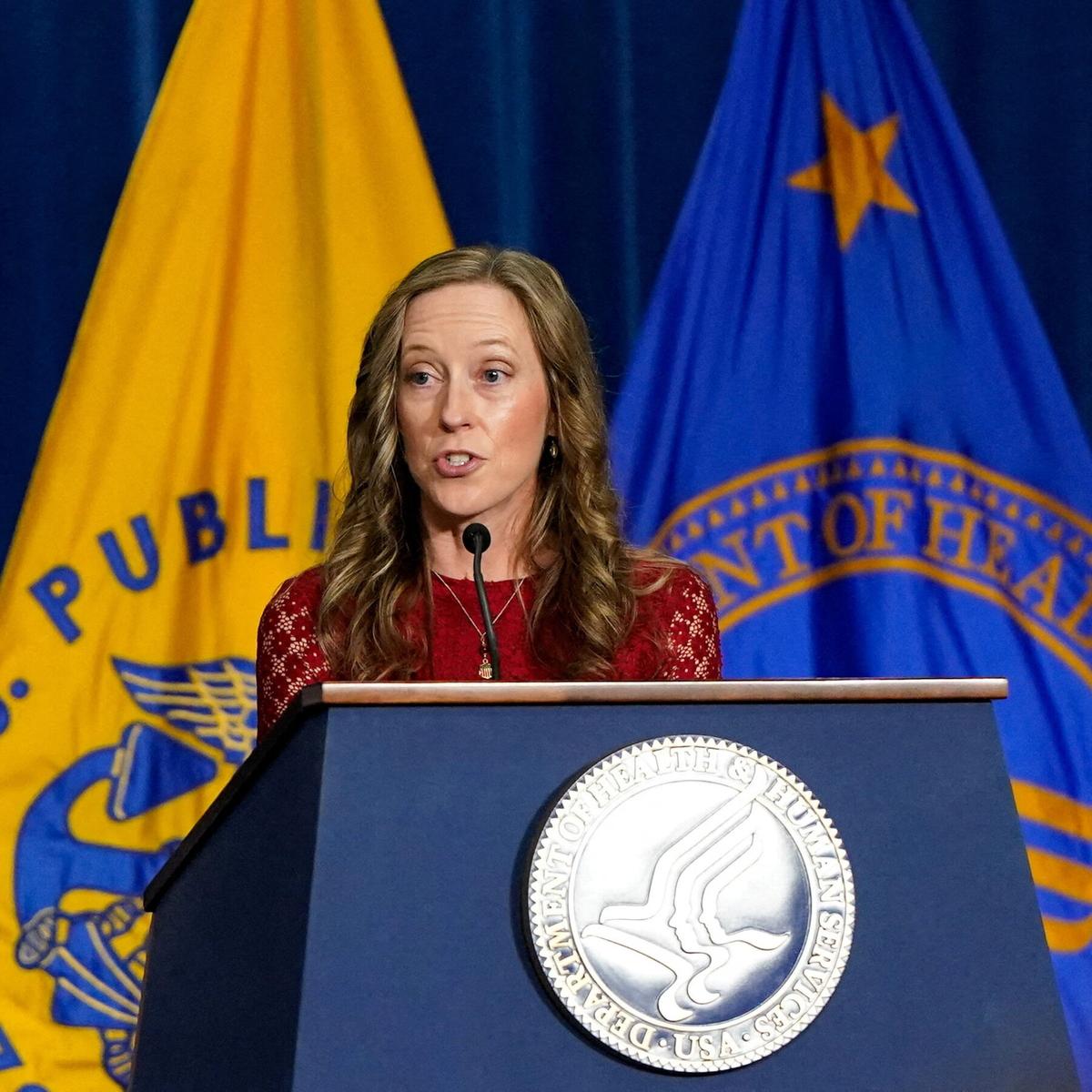
The Trump administration’s latest staffing decision places Dr. Sara Brenner, an FDA deputy commissioner known for her outspoken criticism of routine vaccinations, at the heart of the Health Secretary’s public‑health strategy. Brenner’s self‑identification with the Make America Healthy Again (MAHA) movement and her history of questioning vaccine efficacy align closely with Robert F. Kennedy Jr.’s long‑standing campaign to curtail childhood immunizations. By installing her as senior counselor—a role that sidesteps Senate scrutiny—Kennedy secures a trusted ally who can influence daily interactions with the CDC and NIH, reinforcing a political narrative that challenges established scientific consensus.
The implications for vaccine policy are immediate and far‑reaching. With Brenner serving as the liaison between the HHS secretary and the CDC, she can shape agenda‑setting meetings, prioritize research topics, and potentially sway funding decisions toward alternatives to conventional immunization programs. This could weaken the CDC’s ability to promote routine vaccines, complicate outbreak response, and erode public confidence in health guidance. Moreover, her proximity to the NIH may affect grant allocations, potentially reducing support for vaccine development and broader biomedical research at a time when emerging pathogens demand rapid scientific action.
Brenner’s appointment reflects a broader trend of politicizing health agencies, echoing earlier attempts by the previous administration to appoint ideologically aligned officials to scientific bodies. Industry stakeholders, public‑health advocates, and academic institutions are likely to push back, emphasizing the need for evidence‑based decision‑making to safeguard public health. The coming months will reveal whether the CDC can maintain its scientific integrity under heightened political oversight or if policy shifts will translate into measurable changes in vaccination rates and research funding across the United States.
The Vaccine Skeptic in Trump’s New C.D.C. Leadership Team
Comments
Want to join the conversation?
Loading comments...