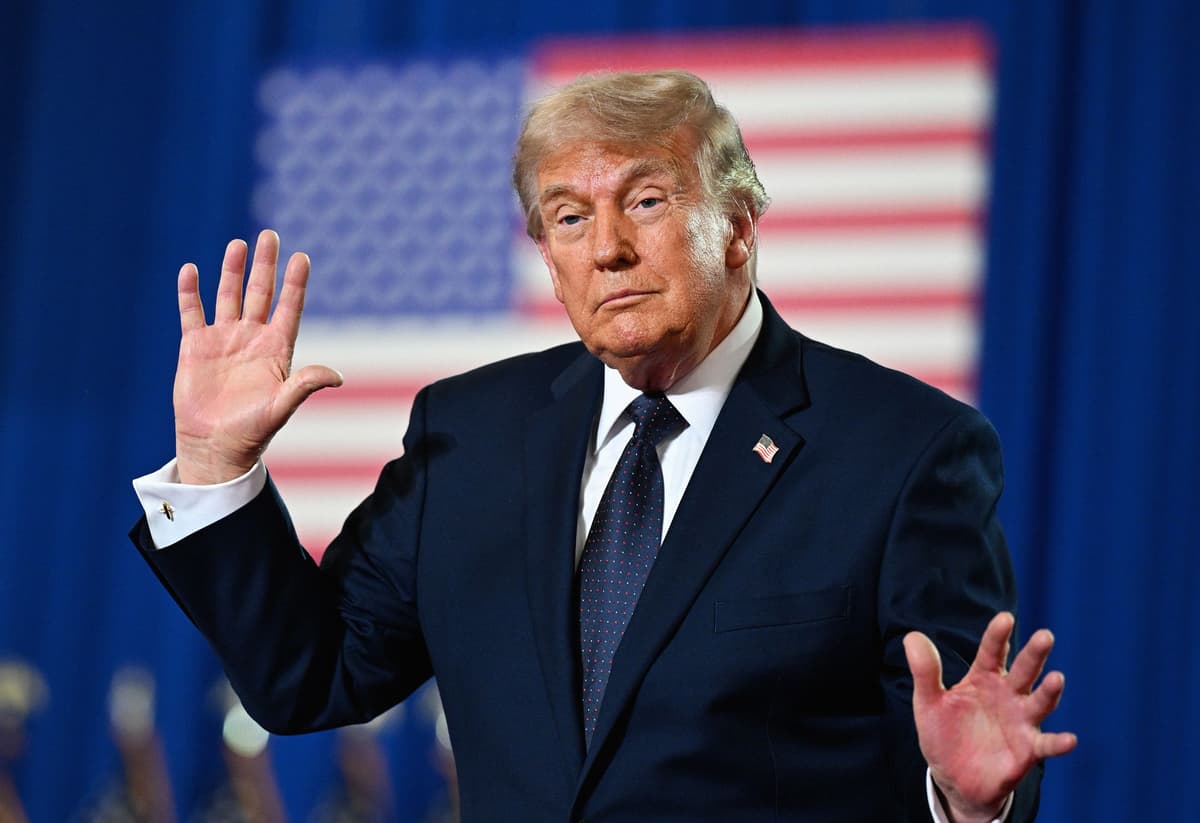
These Ebola Researchers Are Stuck in US Due to Trump’s Funding Cuts
Why It Matters
Eliminating CREID removes a proven pandemic‑preparedness asset just as an Ebola flare‑up accelerates, weakening global health security and exposing the consequences of politicized science funding.
Key Takeaways
- •Trump cuts halted $82 M NIH CREID funding, ending network operations
- •CREID’s diagnostic expertise could have accelerated Ebola detection in DRC outbreak
- •Funding cut linked to Covid‑19 lab‑leak conspiracy targeting EcoHealth Alliance
- •Current DRC outbreak shows 1,000 suspected cases, outpacing WHO response
- •US researchers unable to provide sequencing and test support on the ground
Pulse Analysis
The abrupt termination of the Centers for Research in Emerging Infectious Diseases (CREID) underscores how political narratives can reshape the United States’ scientific infrastructure. Established by the NIH in 2020 with a five‑year, $82 million budget, CREID linked ten high‑risk regions to a coordinated research pipeline that produced diagnostics, genomic surveillance tools, and training for local health ministries. The Trump administration’s decision, framed as a safeguard against “unsafe” research and fueled by conspiracy theories surrounding the EcoHealth Alliance’s alleged Covid‑19 lab‑origin ties, stripped the network of its core funding and halted ongoing projects.
The timing could not be worse for the Democratic Republic of Congo, where the Bundibugyo strain of Ebola has already generated over 1,000 suspected cases and 238 probable deaths. CREID’s West African hub, led by virologist Kristian Andersen, previously delivered rapid sequencing and strain‑specific reagents that cut the 2022 Uganda outbreak to four months. Without that expertise, local laboratories rely on generic tests designed for the Zaire strain, delaying case confirmation and contact tracing. The resulting diagnostic lag threatens to expand transmission chains, echoing the very preparedness gap the network was meant to close.
The fallout illustrates a broader risk: when funding decisions are driven by ideology rather than evidence, the United States forfeits critical early‑warning capacity that benefits the global community. Restoring a depoliticized, federally supported platform for zoonotic surveillance would enable rapid mobilization of reagents, data sharing, and field teams during future spillovers. Policymakers should consider earmarking pandemic‑prevention budgets that are insulated from partisan swings, ensuring that scientific collaborations with African partners remain uninterrupted. Such safeguards are essential to keep emerging pathogens from becoming worldwide crises.
These Ebola Researchers Are Stuck in US Due to Trump’s Funding Cuts
Comments
Want to join the conversation?
Loading comments...