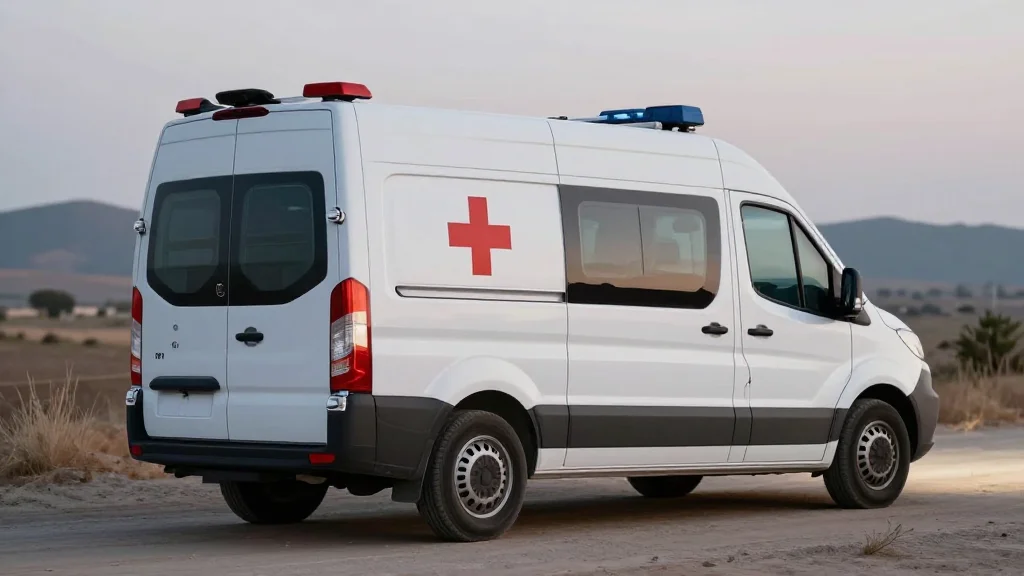
Three Israeli Strikes Kill Four Paramedics in Southern Lebanon

Why It Matters
Targeting ambulances erodes the principle of medical neutrality, a cornerstone of international humanitarian law, and threatens the delivery of emergency care to civilians caught in the crossfire. The loss of trained paramedics not only reduces immediate lifesaving capacity but also hampers long‑term health system resilience in a region already strained by conflict. Continued attacks risk prompting broader condemnation and potential legal action, which could affect Israel’s diplomatic standing and its ability to secure support for security operations. For humanitarian organizations, the incidents highlight the need for reinforced protection mechanisms and clearer accountability for violations.
Key Takeaways
- •Three Israeli strikes hit ambulances in Mayfadoun on Wednesday, killing four paramedics and wounding six.
- •A GoPro video captured the attacks, showing drones shattering ambulance windows.
- •UN human‑rights office labeled the attacks potentially war‑crimes.
- •Lebanese Health Ministry reports at least 100 medical workers killed since the campaign began.
- •Average of two health‑worker deaths per day before a 10‑day truce took effect.
Pulse Analysis
The Mayfadoun attacks illustrate a troubling escalation in the targeting of health infrastructure, a pattern that has emerged in multiple theatres of the Israel‑Hezbollah conflict. Historically, parties to a conflict have avoided direct assaults on ambulances because such actions jeopardize the perceived legitimacy of their military campaigns. By striking medics, Israel risks alienating both domestic and international audiences, especially as evidence of the attacks circulates widely through social media and independent video footage.
Strategically, the strikes may be intended to pressure Hezbollah by disrupting its logistical networks, which it allegedly intertwines with civilian facilities. However, the lack of concrete evidence linking the specific ambulances to militant activity weakens any defensive narrative and opens Israel to accusations of disproportionate force. The UN’s swift condemnation suggests that the international community is prepared to scrutinize Israel’s compliance with the Geneva Conventions more rigorously.
Looking ahead, the durability of the 10‑day truce will be a key barometer. If hostilities resume, health workers may face heightened risk, prompting NGOs to reconsider the deployment of field teams in southern Lebanon. Moreover, the incident could catalyze renewed calls for an independent investigative body to monitor violations of medical neutrality, potentially leading to sanctions or diplomatic repercussions for Israel. The episode underscores the fragile balance between security objectives and humanitarian obligations in modern asymmetric warfare.
Three Israeli Strikes Kill Four Paramedics in Southern Lebanon
Comments
Want to join the conversation?
Loading comments...