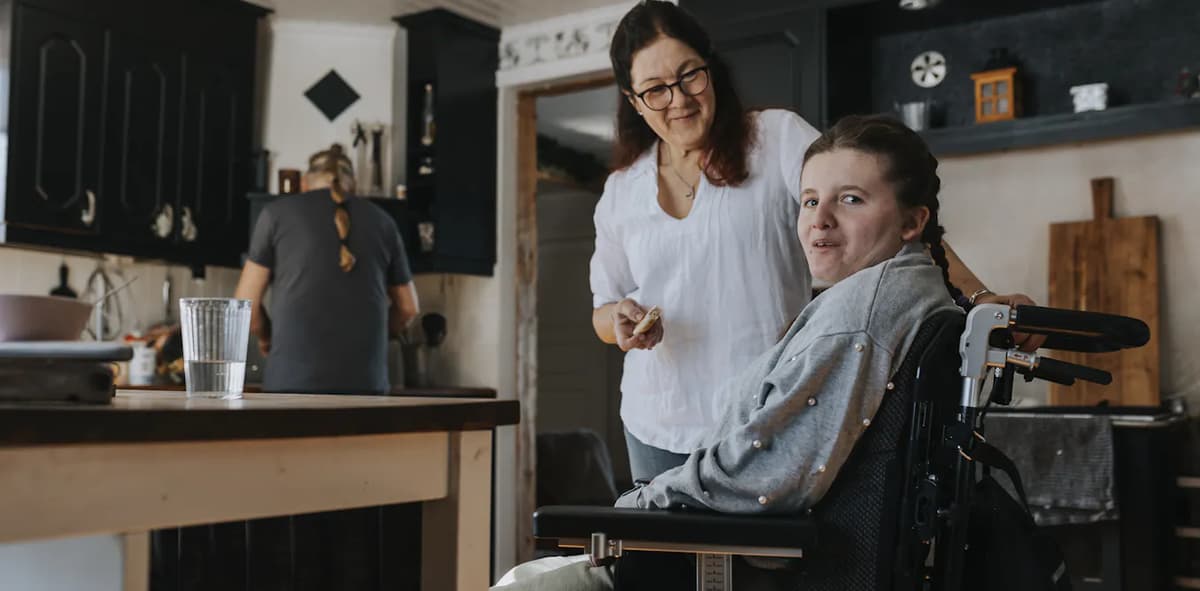
Tightening NDIS Eligibility Will Disproportionately Affect Women – in More Ways than You’d Expect
Why It Matters
The tightened rules could deny essential services to a large share of women with disability, widening socioeconomic gaps and increasing unpaid caregiving burdens. This undermines gender‑equality goals and may expose vulnerable women to greater isolation and risk.
Key Takeaways
- •New NDIS bill adds “pay‑to‑prove” treatment requirement before eligibility.
- •Women with disability face higher approval barriers and lower incomes.
- •50% cut to social participation funding shifts care to unpaid female carers.
- •Multi‑condition women risk exclusion as supports limited to recognised impairments.
- •Lack of gender impact analysis leaves reforms without accountability.
Pulse Analysis
Australia’s National Disability Insurance Scheme has long been criticized for gender bias, with women comprising just 38% of participants despite representing half of the disability population. The proposed amendment intensifies this disparity by mandating that all applicants demonstrate they have exhausted every “appropriate” evidence‑based treatment before qualifying for support. For many women, whose conditions—such as chronic fatigue syndrome or fibromyalgia—are often medically unexplained, this creates a costly “pay‑to‑prove” hurdle that can delay or block access entirely.
Beyond the eligibility hurdle, the bill grants the minister sweeping authority to cut entire categories of social and community participation funding. A 50% reduction in these budgets would shift the responsibility for daily activities, transport, and social engagement onto informal carers—predominantly women. Given that female primary carers already earn less and shoulder higher caring loads, the cuts risk forcing many out of paid employment, deepening economic insecurity and increasing the risk of social isolation, especially for women who are statistically more likely to experience violence and exploitation.
The absence of a robust gender impact assessment leaves these reforms unchecked. Policymakers should commission a transparent, publicly available gender analysis, set clear benchmarks, and embed accountability mechanisms before the bill proceeds. Integrating gender‑responsive budgeting and a dedicated NDIS gender strategy would help mitigate the disproportionate burden on women, ensuring that disability support remains equitable and that Australia meets its broader commitments to gender equality.
Tightening NDIS eligibility will disproportionately affect women – in more ways than you’d expect
Comments
Want to join the conversation?
Loading comments...