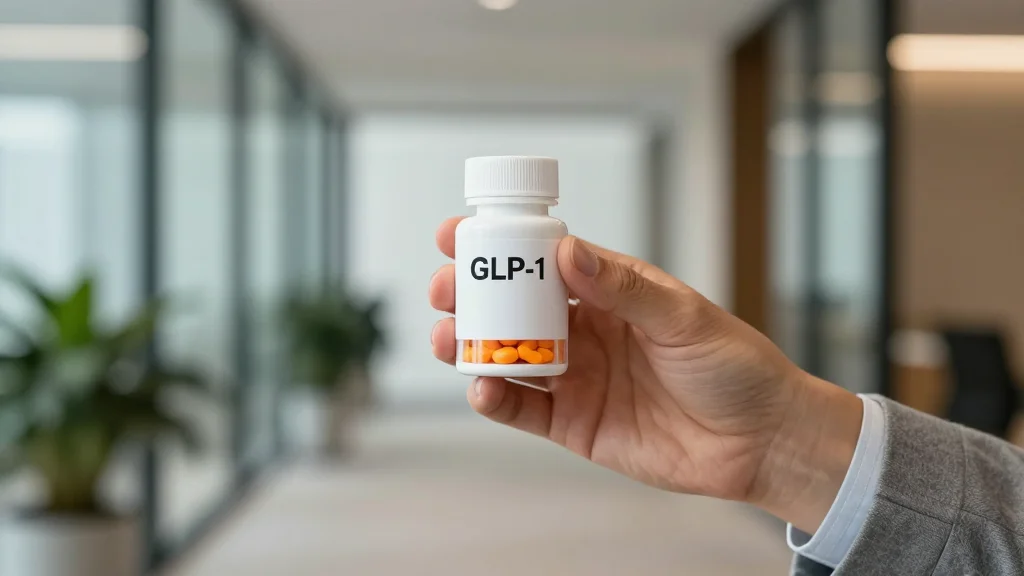
Tom Brady's New Play: Making GLP-1s Affordable for Healthcare Workers
Why It Matters
By lowering the cost barrier to GLP‑1 therapies, the program can improve caregiver health, which directly enhances patient outcomes and reduces employer healthcare expenses.
Key Takeaways
- •eMed charges employers $25 per employee monthly for GLP‑1 access.
- •Employees pay $99 per month covering medication and clinical support.
- •Program reports average 24‑lb weight loss and 96% pre‑diabetes improvement.
- •Employers save over $3,500 per participant annually in care costs.
- •Healthier caregivers boost patient outcomes and cut absenteeism.
Pulse Analysis
GLP‑1 agonists have reshaped the treatment landscape for obesity and type 2 diabetes, yet their retail prices—often exceeding $1,000 a month—have limited widespread adoption. As employers grapple with rising health‑care premiums and the hidden costs of caregiver burnout, many are exploring direct‑to‑employee drug subsidies. The eMed model, backed by former NFL star Tom Brady, translates this trend into a concrete pricing structure: a $25 per‑member fee for employers and a $99 monthly charge for employees that bundles medication, AI‑driven monitoring, and round‑the‑clock clinician access. This approach mirrors broader corporate wellness strategies that prioritize preventive care over reactive treatment.
The program’s early data suggest a compelling return on investment. Participants average a 24‑pound weight loss and a 96% reduction in pre‑diabetes markers within six months, while adherence rates exceed 90%, more than double industry norms. Such outcomes translate into tangible financial benefits: eMed estimates employers can save upwards of $3,500 per employee annually by curbing claims related to chronic conditions, lowering absenteeism, and improving productivity. The AI‑enabled intake and continuous monitoring reduce administrative friction, allowing clinicians to focus on high‑impact interventions, which further drives cost efficiency.
Beyond the immediate fiscal upside, the initiative addresses a systemic risk—declining health among the nation’s 20 million‑plus healthcare workforce. Chronic diseases are projected to cost U.S. businesses $2 trillion by 2030, a burden that can be mitigated through scalable metabolic health programs. By making GLP‑1 therapies affordable and clinically supported, eMed not only safeguards caregiver well‑being but also strengthens the overall quality of patient care, positioning the model as a potential blueprint for other high‑risk employee groups.
Tom Brady's new play: Making GLP-1s affordable for healthcare workers
Comments
Want to join the conversation?
Loading comments...