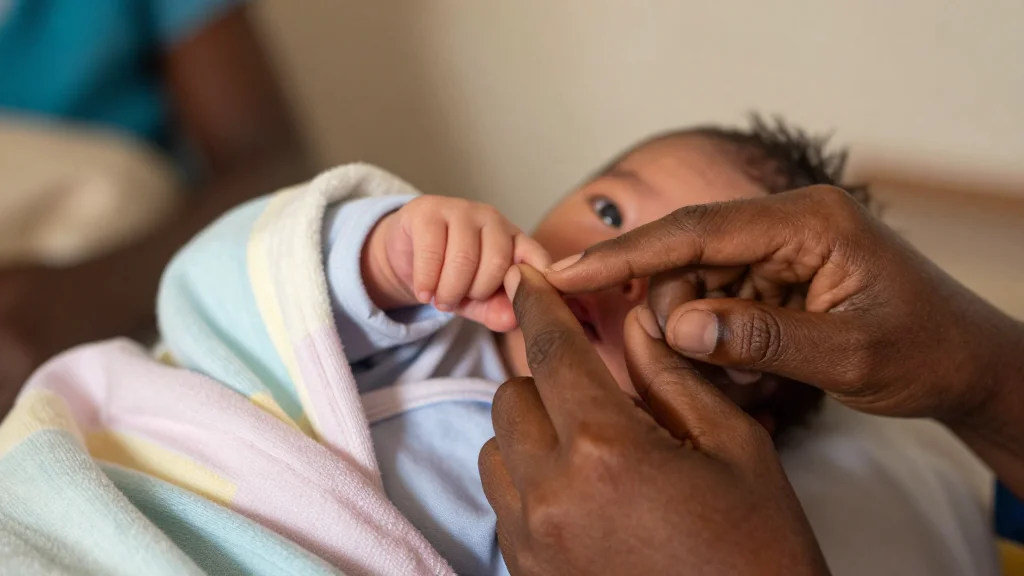
Too Many African Mothers Die in Childbirth From Preventable Causes
Why It Matters
Reducing preventable maternal deaths unlocks billions of economic productivity and safeguards the continent’s youngest generation, making it both a moral and fiscal imperative.
Key Takeaways
- •Africa accounts for 70% of global maternal deaths.
- •15‑year‑old girls in Africa face 1 in 57 maternal death risk.
- •Only 7 of 55 AU states on track to meet mortality goals.
- •UNFPA SafeBirth Africa equips midwives to treat postpartum hemorrhage.
- •Investing $1 in family planning yields up to $27 economic return.
Pulse Analysis
Africa’s maternal mortality crisis is stark: more than 700 women die daily from pregnancy‑related causes, and the continent bears 70% of worldwide deaths. A 15‑year‑old girl in Africa faces a 1‑in‑57 chance of dying during childbirth, versus 1‑in‑21,000 for her Australian counterpart. The economic stakes are massive; a Lancet Commission estimates $3.8 trillion in productivity losses by 2035 if the trend continues, while every dollar spent on family planning can generate up to $27 in economic benefits. These figures underscore that maternal health is not just a humanitarian issue but a driver of growth.
The root causes are often logistical, not clinical. Ambulances without fuel, delayed supplier payments, stockpiled or expired medicines, and gaps in staff training routinely break the chain of care. Programs like UNFPA’s SafeBirth Africa illustrate how equipping midwives with rapid‑response tools for postpartum hemorrhage can save lives when the supply chain functions. Yet, without reliable transport, timely payments, and well‑stocked clinics, even the best-trained providers cannot intervene effectively. Strengthening intra‑African supply networks and ensuring real‑time monitoring are essential to keep the care continuum intact.
Policy momentum is building around the African Union’s New Public Health Order, which seeks to replace donor‑driven procurement with a unified, African‑led strategy. By coordinating disease control through the Africa CDC, harmonising regulations via the Africa Medicines Agency, and boosting local pharmaceutical manufacturing, the continent can secure quality‑assured medicines and resilient supply chains. Investing in these systemic reforms promises high returns: safer births, healthier children, and a more productive workforce, ultimately turning a moral imperative into a catalyst for sustainable economic development.
Too many African mothers die in childbirth from preventable causes
Comments
Want to join the conversation?
Loading comments...