Why It Matters
The convergence of aging, polypharmacy, and preventable falls threatens to inflate healthcare costs and strain senior care systems, making coordinated deprescribing a public‑health priority.
Key Takeaways
- •40% of seniors now use five or more prescription drugs.
- •7.5 million older adults take eight+ meds for at least 90 days.
- •Fall deaths among U.S. seniors reached 41,000 in 2023.
- •3.9 million seniors are prescribed ten or more drugs simultaneously.
- •Deprescribing and medication review can lower fall risk and mortality.
Pulse Analysis
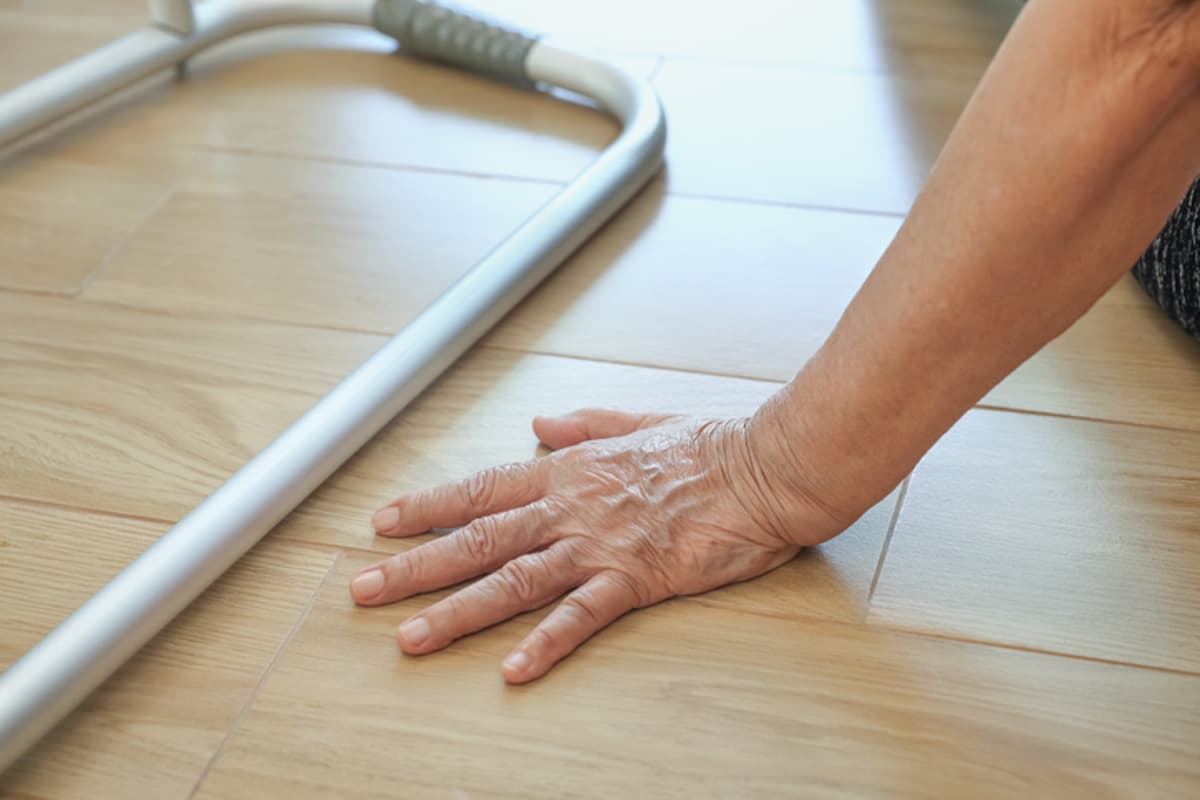
The United States is witnessing an unprecedented rise in senior fall deaths, outpacing trends in comparable high‑income nations. While life expectancy has extended, many added years are spent in frailty, and the CDC reports 41,000 fall‑related fatalities in 2023 alone. Simultaneously, polypharmacy has become the norm: recent Medicare analyses show that 40% of older adults take five or more prescriptions, with millions on eight, ten, or even fifteen drugs concurrently. This medication overload creates a perfect storm for dizziness, confusion, and impaired balance, amplifying the danger of everyday hazards.
Pharmacologically, several drug classes act as “bad actors” for fall risk. Sedative hypnotics such as temazepam and zolpidem, antidepressants like sertraline, anxiolytics including alprazolam, and antipsychotics such as olanzapine depress central nervous system function and disrupt gait. Even antihypertensives and muscle relaxants can cause orthostatic hypotension, further destabilizing seniors. The American Geriatrics Society’s Beers Criteria flags over 100 medications as potentially inappropriate for those over 65, yet the real peril lies in the cumulative effect of multiple agents—a factor traditional drug‑by‑drug reviews often miss.
Addressing the crisis requires systematic deprescribing and robust medication reconciliation. Primary care physicians should lead comprehensive reviews, consolidating specialist prescriptions and eliminating redundant or high‑risk drugs. Integrating fall‑risk assessments into routine visits, coupled with physical therapy and home‑modification programs, can dramatically reduce incidents. Policymakers can incentivize these practices through value‑based reimbursement models, ultimately lowering hospitalizations, preserving senior independence, and curbing the growing economic burden of fall‑related care.
Too Many Prescriptions, Too Many Fatal Falls
Comments
Want to join the conversation?
Loading comments...