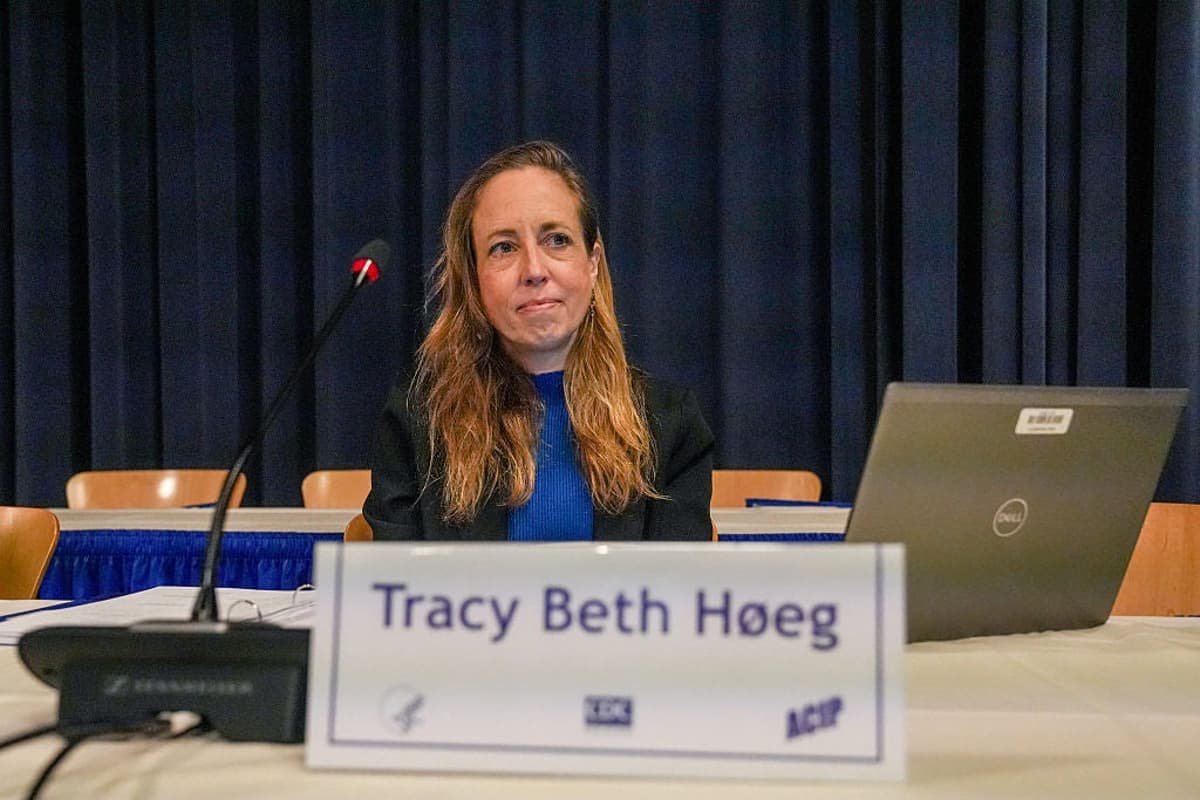
Tracy Beth Høeg Ousted From FDA in Wider Senior Leadership Shakeup
Companies Mentioned

Bloomberg
Why It Matters
The rapid turnover destabilises the FDA’s decision‑making pipeline, creating uncertainty for drug and vaccine developers and potentially slowing critical approvals at a time of heightened public health scrutiny.
Key Takeaways
- •Høeg removed after six months leading FDA's CDER.
- •Court blocked CDER's vaccine schedule cut from 18 to 11 doses.
- •Commissioner Marty Makary quit after dispute over fruit‑flavored e‑cigarette approval.
- •Acting vaccine chief Katherine Szarama and chief of staff Jim Traficant ousted.
Pulse Analysis
The FDA’s leadership turbulence reflects a broader politicisation of health regulation under the Trump administration. Høeg’s brief tenure at CDER was defined by an aggressive attempt to streamline the childhood vaccine schedule, a policy shift that sparked legal challenges and public backlash. The federal judge’s injunction not only halted the schedule change but also underscored the judiciary’s willingness to intervene when regulatory actions appear rushed or insufficiently vetted. This episode illustrates how regulatory agendas can quickly become flashpoints when they intersect with entrenched public‑health norms.
Compounding the internal shake‑up, the agency’s top brass has been reshuffled amid contentious policy battles. Commissioner Marty Makary’s resignation followed a high‑profile clash over the approval of fruit‑flavoured e‑cigarettes, a decision that drew criticism from both public‑health advocates and industry stakeholders. Simultaneously, Republican concerns about RFK Jr.’s vaccine‑policy proposals have prompted HHS officials to consider replacing controversial appointees ahead of the midterm elections. These moves signal a strategic effort to align regulatory leadership with broader political calculations, further blurring the line between science‑driven oversight and partisan objectives.
For pharmaceutical and biotech firms, the leadership churn translates into heightened regulatory risk. Uncertainty around who will sign off on new drug applications or vaccine authorisations can delay product launches, affect pipeline financing, and erode investor confidence. Companies may now prioritize engagement with multiple potential decision‑makers and hedge against policy volatility through diversified regulatory strategies. In the longer term, the FDA may face pressure to institute governance reforms that insulate its scientific processes from political turnover, a shift that could restore stability and predictability for the industry.
Tracy Beth Høeg ousted from FDA in wider senior leadership shakeup
Comments
Want to join the conversation?
Loading comments...