Transient IOP Increase Observed After Corneal Cross-Linking
Companies Mentioned
Why It Matters
Understanding the short‑term IOP elevation after CXL helps ophthalmologists balance keratoconus treatment benefits with glaucoma risk, especially when managing patients on steroid regimens.
Key Takeaways
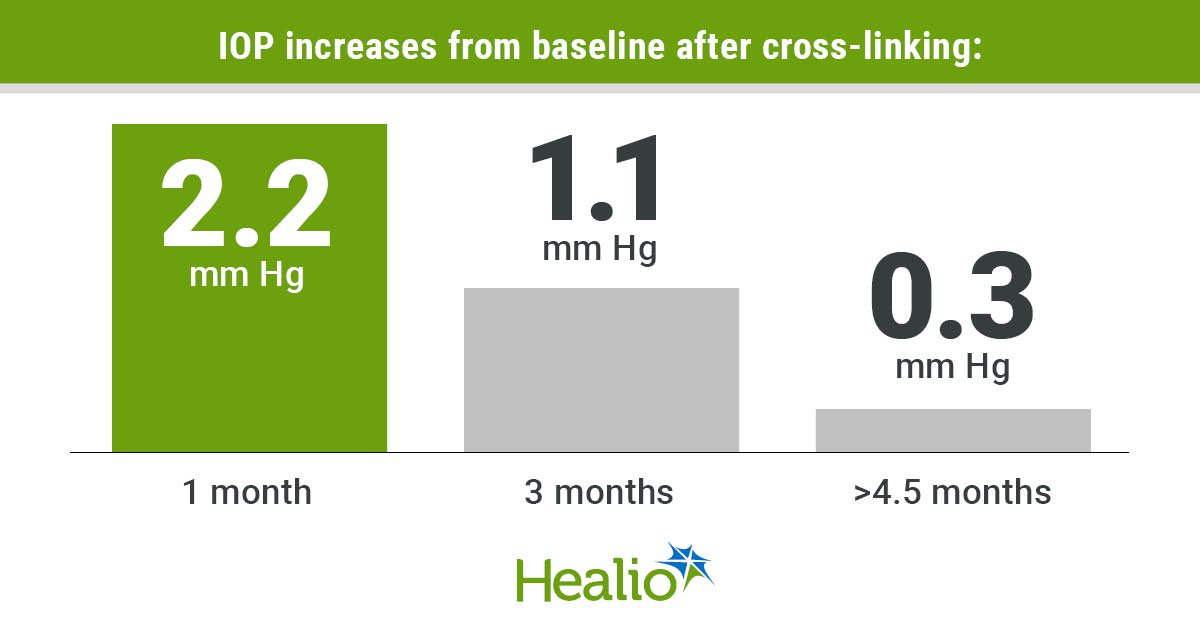
- •IOP rises 2.2 mm Hg at 1 month post‑CXL, normalizes by 4.5 months
- •Tono‑Pen reads higher than iCare during early postoperative period
- •Steroid use likely contributes to early IOP elevation
- •Study of 405 eyes excludes glaucoma patients, limiting risk assessment
- •No sustained IOP change observed across tonometry methods
Pulse Analysis
Corneal cross‑linking has become the standard of care for halting keratoconus progression, yet its impact on intra‑ocular pressure remains a nuanced concern. The Duke study highlights a transient IOP increase that aligns with the typical postoperative steroid taper, underscoring that the pressure rise is more pharmacologic than structural. Clinicians should anticipate a modest spike in the first month and differentiate it from true glaucomatous progression, especially in patients with pre‑existing ocular hypertension.
Accurate IOP assessment after CXL is complicated by altered corneal biomechanics. The study’s finding that Tono‑Pen readings exceed those from iCare reflects how each device interacts with a temporarily thickened or stiffened cornea. Goldmann applanation tonometry, the gold standard, was under‑represented, pointing to a gap in comparative data. Standardizing measurement protocols—preferably incorporating Goldmann or calibrated devices—will reduce variability and improve longitudinal monitoring.
From a practice standpoint, the data reassure surgeons that CXL does not produce lasting pressure elevations, but they also prompt a more vigilant postoperative regimen. Early IOP checks, judicious steroid dosing, and, when indicated, prophylactic IOP‑lowering therapy can mitigate risk for glaucoma‑prone individuals. Future research should expand to include eyes with glaucoma, integrate pachymetry to parse edema effects, and explore newer tonometers that compensate for corneal changes, ensuring that the benefits of CXL are delivered without compromising optic nerve health.
Transient IOP increase observed after corneal cross-linking
Comments
Want to join the conversation?
Loading comments...