Why It Matters
Understanding the CXCL‑CXCR2 axis and ROS‑mediated damage offers ICU clinicians actionable pathways to mitigate oxygen‑related lung injury and improve postoperative outcomes.
Key Takeaways
- •Hyperoxia (>50% O2) triggers neutrophil influx via CXCL1‑3 chemokines.
- •CXCR2 knockout blocks neutrophil recruitment, lowering mortality in mice.
- •Reactive oxygen species drive epithelial and endothelial cell death in HALI.
- •Targeting CXCR2 or ROS may reduce postoperative pulmonary complications.
Pulse Analysis
Oxygen therapy remains a cornerstone of intensive care, yet delivering concentrations above 50% can backfire, leading to hyperoxic acute lung injury (HALI). HALI manifests as intense inflammation, pulmonary edema, and progressive fibrosis, contributing to higher mortality rates in critically ill patients. While clinicians balance hypoxia risks against oxygen toxicity, recent research underscores that unchecked hyperoxia initiates a cascade of cellular damage that extends beyond simple oxygen overload.
At the molecular level, hyperoxia stimulates the expression of chemokines CXCL1, CXCL2, and CXCL3, which recruit neutrophils through the CXCR2 receptor. Animal models demonstrate that this CXCL‑CXCR2 signaling axis is a primary driver of neutrophil‑mediated tissue injury and death. Importantly, mice lacking CXCR2 show markedly reduced neutrophil infiltration and improved survival under high‑oxygen conditions, positioning CXCR2 as a promising therapeutic target. Parallel investigations reveal that excessive reactive oxygen species (ROS) generated during hyperoxia inflict direct damage on both epithelial and endothelial cells, amplifying vascular leakage and fibrosis.
Clinically, these insights suggest that modulating the CXCR2 pathway or attenuating ROS production could curb postoperative pulmonary complications and HALI mortality. Pharmacologic CXCR2 antagonists, already explored in inflammatory diseases, may be repurposed for ICU settings, while antioxidant strategies could complement existing ventilation protocols. Ongoing trials will determine the safety and efficacy of such interventions, but the emerging evidence equips clinicians with a mechanistic framework to refine oxygen administration and protect vulnerable lung tissue.
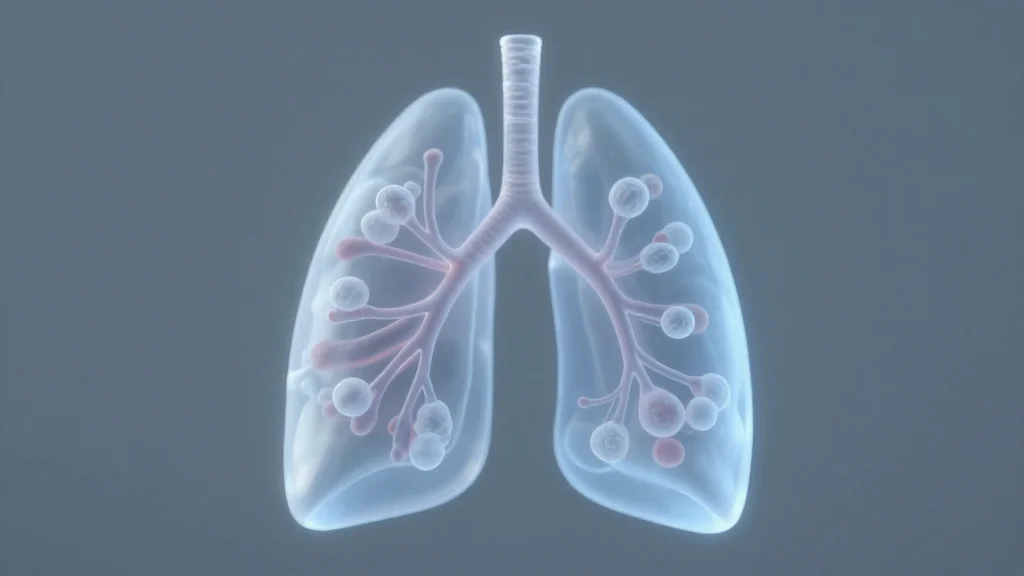
transoperatory hyperoxia induced lug injury
Comments
Want to join the conversation?
Loading comments...