Trump Demands Medicaid Data for Deportation. Some States Go a Step Further.
Why It Matters
These laws blur the line between health care and immigration enforcement, risking reduced Medicaid enrollment among vulnerable families and sparking legal battles that could reshape federal‑state data‑sharing norms.
Key Takeaways
- •North Carolina mandates health agency to flag Medicaid users to ICE
- •Indiana, Louisiana, Montana, Wyoming already passed similar reporting laws
- •Law could deter eligible children from enrolling in Medicaid
- •Democratic states sue to block federal use of Medicaid data for deportations
Pulse Analysis
The Trump administration has intensified its effort to use Medicaid data as a tool for immigration enforcement, directing the Centers for Medicare & Medicaid Services to share beneficiary information with ICE. While the federal mandate only obliges agencies to provide data when formally requested, the new state statutes create a proactive screening process that compels health officials to verify immigration status before benefits are delivered. This shift transforms a health‑insurance program into a de‑facto immigration checkpoint, raising concerns about privacy, data security, and the chilling effect on health‑seeking behavior among non‑citizens.
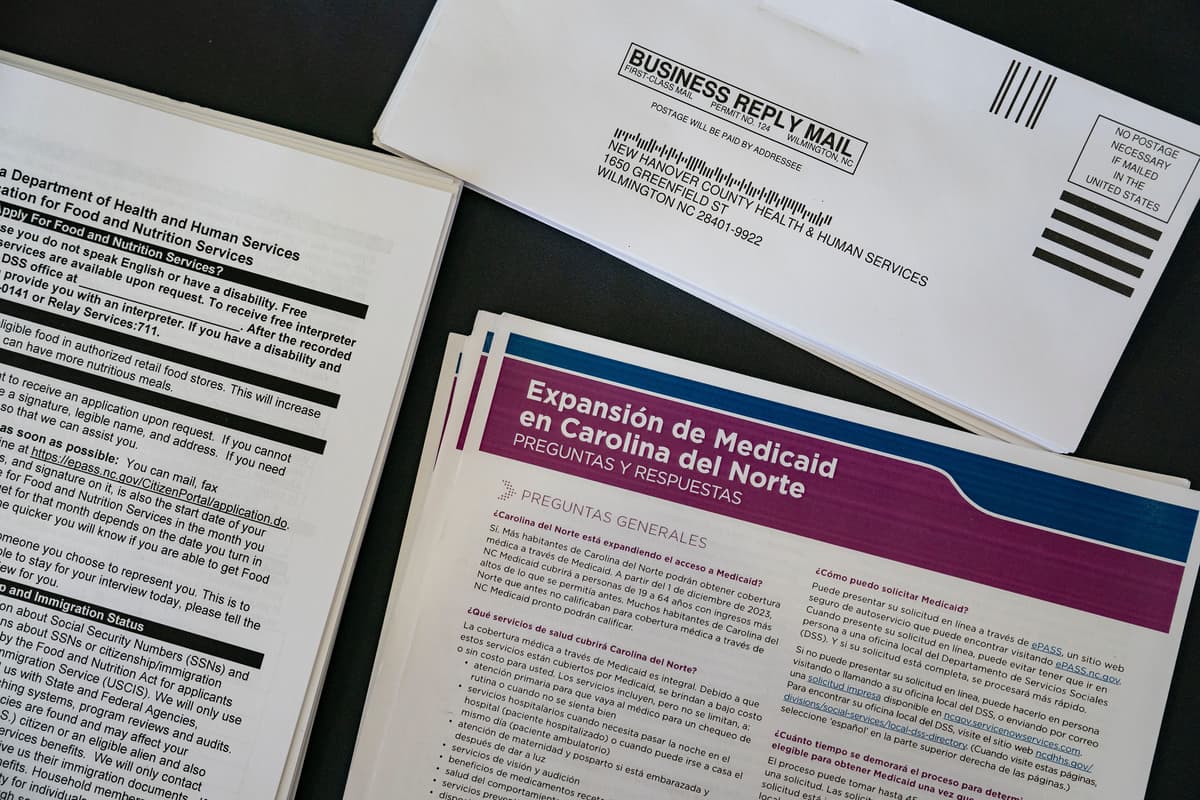
Across the GOP‑controlled South and West, legislators have enacted or are considering laws that compel state health departments to report suspected undocumented Medicaid recipients. North Carolina’s recent bill, tied to a $319 million Medicaid funding restoration, requires employees to ask for proof of legal status and forward non‑compliant cases to federal authorities. Similar statutes already exist in Indiana, Louisiana, Montana and Wyoming, and Tennessee’s proposal would extend reporting to all state agencies. Researchers warn that these policies may deter eligible children, pregnant women, and low‑income families from enrolling, eroding public‑health outreach and increasing uncompensated care costs. The resulting mistrust undermines the core purpose of Medicaid: to provide a safety net for the most vulnerable.
Democratic states are pushing back, with California leading a lawsuit to block the Department of Homeland Security’s use of Medicaid data for deportations. Courts have issued mixed rulings, allowing identity sharing while restricting medical details, but the legal landscape remains unsettled. As more states adopt aggressive reporting measures, the conflict between immigration enforcement and health‑care access is likely to intensify, prompting federal policymakers to reconsider the balance between security objectives and the public‑health imperative. Stakeholders should monitor litigation outcomes and potential legislative rollbacks, which will shape the future of Medicaid’s role in a polarized political environment.
Trump Demands Medicaid Data for Deportation. Some States Go a Step Further.
Comments
Want to join the conversation?
Loading comments...