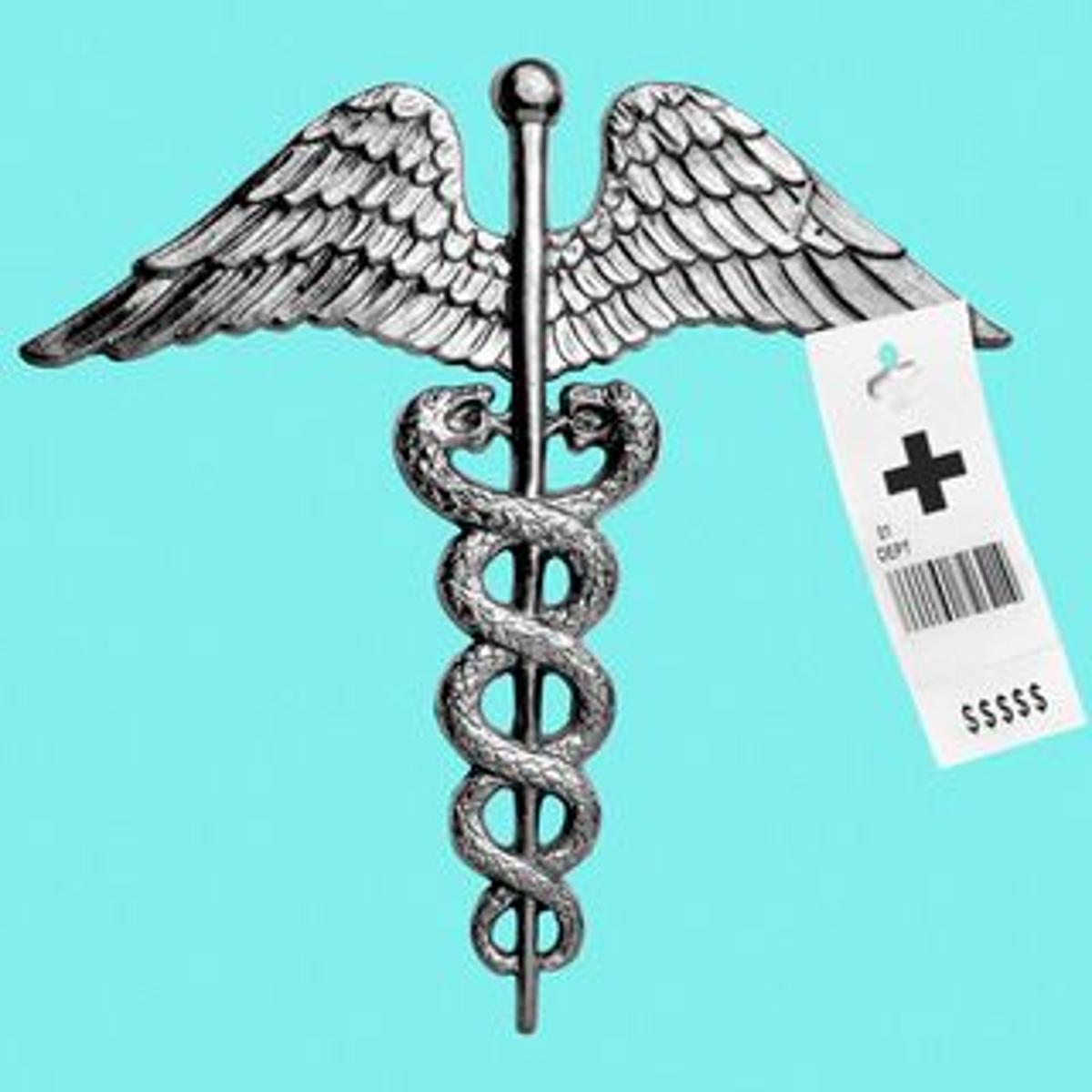
Trump's Student Loan Limits Could Rock the Health Care Industry
Why It Matters
Tighter loan caps threaten to deepen the existing health‑care workforce shortage, raising costs for hospitals and limiting access to care in underserved communities.
Key Takeaways
- •Federal loan caps limit graduate loans to $100k, professional to $200k
- •Median medical school tuition exceeds caps, pushing students to private lenders
- •40% of Americans, including many Pell recipients, lack private loan access
- •Reduced pipeline may deepen health worker shortages and increase financial distress
Pulse Analysis
The new federal loan caps arrive amid a broader push to curb rising college costs, but the policy’s design overlooks the unique financing structure of health‑care education. Medical and dental programs routinely charge tuition that dwarfs the $100,000 graduate limit, a disparity that forces students to bridge the gap with private credit. Private lenders, however, apply higher interest rates and stricter underwriting, and a sizable portion of prospective clinicians—particularly low‑income and minority students—are ineligible for those loans. This financing gap amplifies existing inequities in the pipeline to the health‑care sector.
Beyond individual borrowers, the caps could reverberate through the entire health‑care ecosystem. Hospitals already grapple with staffing shortages that inflate labor costs and extend patient wait times. If fewer students can afford the debt burden of medical school, the supply of physicians, nurse practitioners, and physician assistants will contract, driving up salaries and potentially accelerating the shift toward telehealth and task‑shifting models. Moreover, the loss of the Grad PLUS loan—a tool that once allowed students to borrow the full cost of advanced degrees—removes a critical buffer that helped maintain enrollment levels despite tuition spikes.
Policymakers and industry leaders are weighing mitigation strategies. Some medical schools are expanding scholarship programs and income‑share agreements, while advocacy groups push for targeted loan forgiveness for clinicians serving in underserved areas. The broader debate highlights a tension between fiscal restraint and the need to sustain a robust health‑care workforce. As the caps take effect, monitoring enrollment trends and loan default rates will be essential to gauge long‑term impacts on both the education sector and patient care delivery.
Trump's student loan limits could rock the health care industry
Comments
Want to join the conversation?
Loading comments...