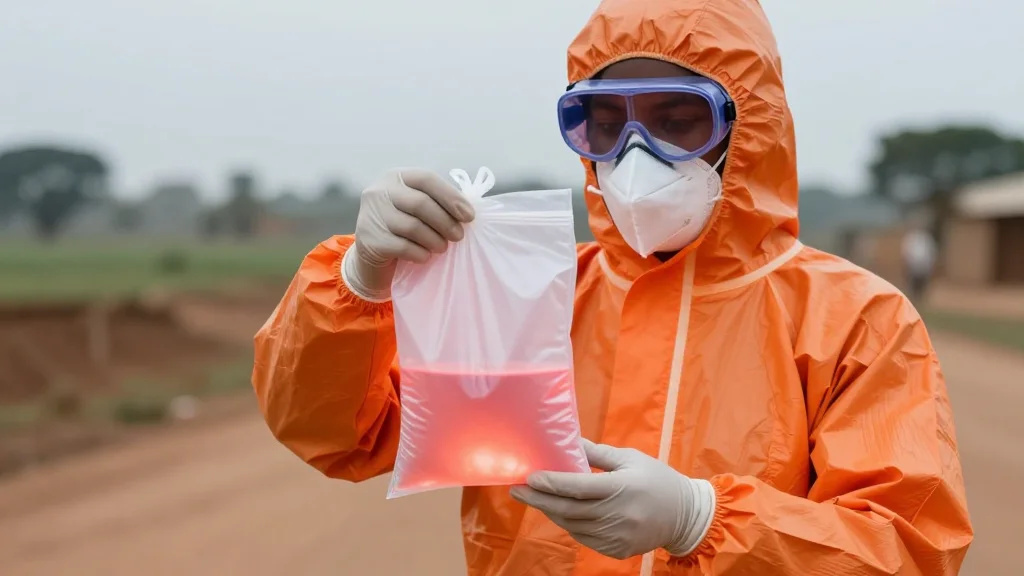
Uganda Health Ministry Confirms Six New Cases of Ebola
Why It Matters
The surge underscores the fragility of containment efforts in a region with porous borders, threatening broader public‑health stability and economic activity. Coordinated regional response is essential to prevent cross‑border transmission and protect trade flows.
Key Takeaways
- •Uganda's Ebola tally rises to 15 confirmed cases.
- •Six new infections were identified among known contacts.
- •Border closures push travelers to informal crossings, raising spread risk.
- •Only two patients discharged; one death among 12 hospitalized.
- •WHO reports 321 confirmed and 116 suspected cases in DRC outbreak.
Pulse Analysis
The latest cluster of Ebola cases in Uganda highlights how quickly the virus can re‑emerge in a neighboring country once cross‑border transmission occurs. With 15 confirmed infections, including six new cases traced to known contacts, the outbreak tests the resilience of Uganda's surveillance and treatment capacity. While two patients have recovered, the majority remain hospitalized, and a single fatality underscores the disease's lethality. Health officials are scrambling to isolate cases, conduct contact tracing, and reinforce community awareness in high‑risk districts.
Uganda's decision to seal its border with the Democratic Republic of Congo reflects a conventional containment tactic, yet the UN International Organization for Migration warns that such closures often backfire. Data show people still cross via informal routes, bypassing health checkpoints and increasing the probability of undetected spread. The IOM stresses that fragmented national measures cannot substitute for a coordinated regional strategy, especially when porous frontiers facilitate rapid pathogen movement. Strengthening joint surveillance, sharing real‑time data, and harmonizing quarantine protocols are critical to closing the gaps that the virus exploits.
Beyond the immediate health crisis, the outbreak threatens economic stability across East Africa. Border towns rely on trade and labor mobility; disruptions can depress local markets and strain supply chains. Moreover, recurring Ebola scares can deter foreign investment and tourism, eroding growth prospects. International partners, including the World Health Organization, must continue to support vaccine deployment, diagnostic capacity, and community engagement to curb transmission. A unified, well‑funded response will not only protect lives but also safeguard the region's economic resilience.
Uganda health ministry confirms six new cases of Ebola
Comments
Want to join the conversation?
Loading comments...