
UK Firm Steps in to Ease Medicine Supply Crisis in NHS
•February 20, 2026
0
Why It Matters
Domestic production can mitigate supply‑chain shocks, preserving surgical capacity and patient outcomes. The episode highlights systemic vulnerabilities in UK medicine procurement that demand strategic reforms.
Key Takeaways
- •Heraeus issue could halt NHS bone cement for two months
- •Biocomposites accelerates Synicem launch, targeting 1M packs annually
- •NHS prioritises emergency joint surgeries, delaying elective cases
- •House of Lords calls medicine shortages a national security issue
- •MHRA's Project Revive secures dormant medicines for NHS
Pulse Analysis
The bone cement shortage underscores how a single foreign supplier can destabilise a critical component of the NHS’s orthopaedic pipeline. Heraeus Medical’s production hiccup has forced hospitals to triage surgeries, pushing thousands of patients further down already lengthy waiting lists. This bottleneck not only delays pain‑relieving procedures but also strains operating theatres, increasing costs and potentially compromising clinical outcomes. Understanding the supply chain’s fragility is essential for healthcare leaders seeking to safeguard essential surgical supplies.
Biocomposites’ rapid rollout of Synicem offers a home‑grown solution that could reshape the market. Leveraging its ceramic‑based expertise, the company plans to double output to a million packs per year, directly addressing the immediate deficit while reducing reliance on imports. Domestic manufacturing shortens lead times, enhances quality control, and supports the UK’s strategic goal of self‑sufficiency in medical devices. For hospitals, this means a more predictable inventory, less surgical disruption, and a potential cost advantage as local sourcing mitigates currency and logistics volatility.
Policy responses are evolving to prevent future crises. The House of Lords’ report frames medicine shortages as a national security concern, urging proactive governance rather than reactive fixes. In parallel, the MHRA’s Project Revive pilot aims to fast‑track regulatory support and guarantee NHS procurement for 378 dormant medicines, creating a safety net for vulnerable product lines. Together, these initiatives signal a shift toward resilient supply chains, encouraging investment in domestic capacity and tighter coordination between regulators, manufacturers, and health services.
UK firm steps in to ease medicine supply crisis in NHS
Amid reports that a shortage of bone cement is leading to delays in some patients getting orthopaedic surgeries, UK company Biocomposites has brought forward the launch of a product that could plug the gap.
Earlier this week, NHS England said that production problems at German company Heraeus Medical – which is the main supplier of bone cement to the NHS – would interrupt supplies for up to two months.
As a result, health trusts have been asked to prioritise emergency cases of surgery for knee, hip, and shoulder replacements over patients who are on the elective surgery waiting list, such as those with severe pain or complex conditions.
Now, Keele, Staffordshire‑based Biocomposites has said it will bring forward the UK launch of its Synicem bone cement product, acquired when it took over France's Synimed in 2022, and double production to a million packs a year.
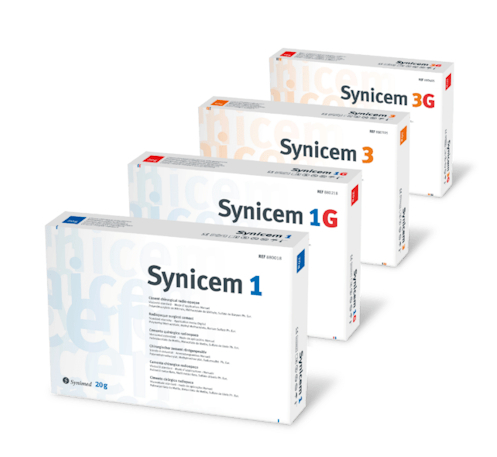
The company, which grew out of the Stoke‑on‑Trent pottery district and specialises in ceramic‑based orthopaedic products, said it had been planning to launch Synicem bone cement later this year in the UK, but has accelerated its plans “to help ease the supply crisis that is currently unfolding.”
According to a BBC report this week, there are currently 850,000 patients on the waiting list in England requiring planned treatment to their joints, and hospitals are down to their last two weeks of bone cement supply.
Yesterday, patient‑advocacy group Arthritis UK said that the threat of cancellations and delays to procedures is “a crushing blow for those individuals who have finally made it to the front of the orthopaedic surgery queue after a long time waiting.”
The organisation’s chief executive, Deborah Alsina, has urged hospitals “to communicate quickly with those affected to avoid additional worry and uncertainty.”
The unfolding crisis comes shortly after a report from the House of Lords Public Services Committee called for government action to manage medicines shortages, saying it has become “a national security issue.”
The committee has concluded that the government is not doing enough to tackle “fragile supply chains” for medicines and is currently focusing on “reactive actions when shortages have already occurred.” It alluded to a survey in 2025 in which 73 % of pharmacy workers reported ongoing issues with medicine supply that are putting patients at risk.
Since then, the MHRA has launched Project Revive, a 12‑month pilot partnered with NHS England and generic pharmaceutical trade organisation Medicines UK, that will offer speedy regulatory advice and guaranteed NHS purchasing of 378 “dormant” medicines “that have either failed to attract sufficient supply through NHS England tenders or which the health service believes are supply‑resilience risk and represent a strategic priority.”
The concept behind the pilot was first outlined in the government’s policy paper on managing a robust and resilient supply of medicines, which was published last summer.
Photo by Towfiqu Barbhuiya on Unsplash.
0
Comments
Want to join the conversation?
Loading comments...