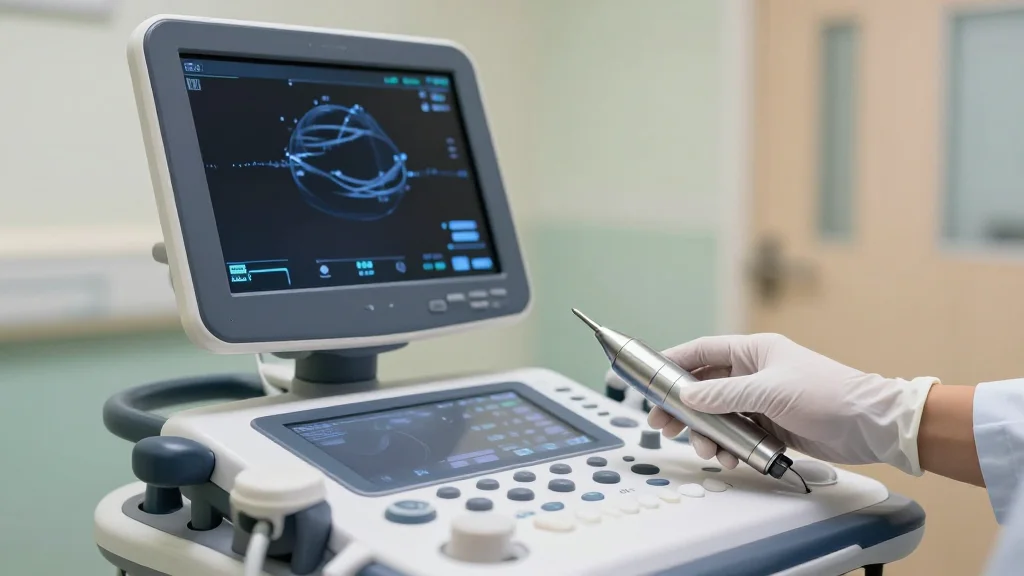
Ultrasound Analytics Take Digital Transformation a Step Forward
Why It Matters
By converting hidden imaging metadata into measurable KPIs, hospitals gain the visibility needed to optimize resource allocation, reduce downtime, and justify capital spending—key levers for cost‑effective care delivery.
Key Takeaways
- •CHL implements GE's Ultrasound Excellence for daily analytics.
- •Weekly dashboards reveal usage patterns, capacity gaps.
- •Data-driven insights guide equipment investment and scheduling.
- •Solution expanded to MR and PET scanners hospital‑wide.
Pulse Analysis
Healthcare providers are increasingly recognizing that imaging equipment generates a wealth of operational data beyond the clinical images themselves. Ultrasound machines, in particular, capture timestamps, exam types, duration, and room usage that, when aggregated, reveal hidden inefficiencies such as under‑utilized slots or uneven demand across departments. Traditional systems like PACS focus on diagnostic records, leaving a fragmented picture of day‑to‑day workflow. Analytics platforms that harvest this metadata turn scattered signals into standardized KPIs, enabling hospitals to move from anecdotal scheduling to evidence‑based capacity planning.
At the Centre Hospitalier de Luxembourg, the adoption of GE HealthCare’s Ultrasound Excellence solution has turned that concept into practice. Automated weekly dashboards now surface trends in exam volume, device utilization rates, and hour‑by‑hour activity, allowing biomedical engineers and clinicians to pinpoint bottlenecks within hours rather than weeks. The visibility has already supported concrete decisions, such as reallocating underused probes and timing equipment upgrades to match peak demand. Building on the ultrasound success, CHL rolled the analytics framework out to its MR and PET suites, creating a unified operational view across the imaging portfolio and fostering cross‑modal efficiency initiatives.
The broader implication for the industry is clear: as hospitals mature their digital transformation journeys, the ability to translate raw imaging metadata into strategic insight becomes a competitive advantage. Organizations that invest in such analytics can expect faster ROI through reduced idle time, better staff scheduling, and more justified capital expenditures. While implementation requires integration with existing RIS/PACS and change‑management to adopt data‑driven decision processes, the payoff—enhanced patient throughput and lower operational costs—positions analytics‑enabled imaging as a cornerstone of next‑generation hospital efficiency.
Ultrasound analytics take digital transformation a step forward
Comments
Want to join the conversation?
Loading comments...